
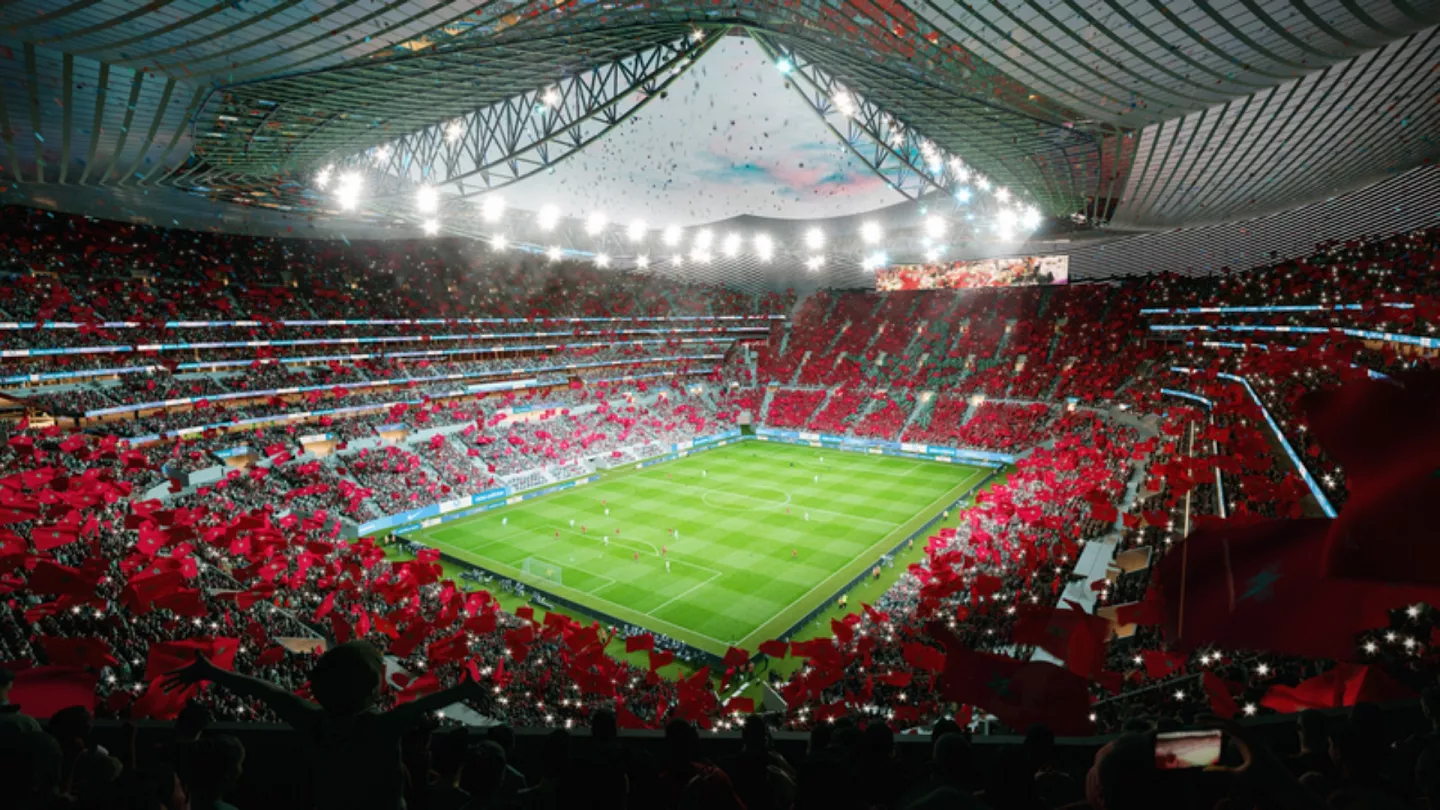
Morocco is renowned for its passion for football and its impressive stadiums, which serve as the home grounds for the national team, the Atlas Lions. These stadiums are not only venues for matches but also symbols of national pride and history. Their architecture, atmosphere, and locations demonstrate Morocco’s commitment to football excellence and its global ambitions. From historic arenas to modern facilities, each stadium contributes significantly to the story of Moroccan football.
The Atlas Lions’ participation in competitions such as AFCON and World Cup qualifiers is closely tied to these stadiums. Fans nationwide and internationally gather at these venues, generating an inspiring and energetic atmosphere. This guide examines the most important stadiums for the Morocco national team, highlighting their history, features, and significance to Moroccan football.
The Pillars of Moroccan Football: Key Morocco National Team Stadiums
Morocco’s football infrastructure includes several key stadiums that regularly host the national team. These venues are selected for their capacity, modern facilities, and strategic locations, ensuring that international football reaches various regions of the country.
Mohammed V Stadium: Casablanca’s Legendary Roar
Mohammed V Stadium in Casablanca is widely regarded as the most iconic and historically significant home ground for the Moroccan national team. Opened in 1955 as Marcel Cerdan Stadium and renamed after King Mohammed V following independence, it has hosted numerous important matches, including World Cup qualifiers, Africa Cup of Nations finals, and major local derbies.
With a capacity of approximately 45,000, Mohammed V Stadium is known for its vibrant and intense atmosphere. The dedicated support from Casablanca fans, especially the Ultras of Raja Club Athletic and Wydad AC, creates a challenging environment for visiting teams. The stadium has hosted many of the Atlas Lions’ most significant victories and has been central to the team’s identity.
The stadium’s central location in Casablanca makes it accessible to many fans, reinforcing its role as a primary venue for national team matches. Ongoing renovations have ensured it meets international standards and remains a key part of Moroccan football.
Prince Moulay Abdellah Stadium: Rabat’s Fortress
Prince Moulay Abdellah Stadium in Rabat, inaugurated in 1983, is a key venue for the Moroccan national team. As a multi-purpose stadium, it has hosted many international fixtures, including major tournament qualifiers and high-profile friendlies.
With a capacity of around 53,000, Prince Moulay Abdellah Stadium is one of Morocco’s largest. Its modern design and facilities have enabled it to host major events, such as the FIFA Club World Cup and Africa Cup of Nations, offering a high-quality experience for players and fans.
Located in Rabat with strong transportation links, the stadium is often selected for high-profile matches due to its prestige and infrastructure. It complements the historical Mohammed V Stadium and is a preferred venue for national team events and training camps.
Stade de Marrakech: The Red City’s Modern Arena
Stade de Marrakech, opened in 2011, is a newer addition to Morocco’s national team stadiums. Its design, inspired by traditional Moroccan aesthetics, reflects the country’s investment in modern sports facilities and complements the landscape of Marrakech.
With a capacity of approximately 45,240, Stade de Marrakech provides a modern and comfortable setting for football. It features advanced lighting, a quality natural grass pitch, and strong spectator facilities, making it a reliable venue for international matches and expanding the team’s reach to fans nationwide.
Located outside the city ,centre the stadium offers ample parking and space for fan activities, enhancing the match-day experience. Despite being newer, Stade de Marrakech has already hosted significant national team moments and is expected to play a larger role in future international events.
Stade Adrar in Agadir: Morocco’s Coastal Gem
Stade Adrar in Agadir, inaugurated in 2013, is a modern venue for the Moroccan national team. It reflects Morocco’s commitment to decentralised sports development by providing high-quality football facilities in different regions.
With a capacity of around 45,480, Stade Adrar features a contemporary design and amenities such as spacious changing rooms, media facilities, and VIP lounges. It has hosted major international events, including FIFA Club World Cup matches, meeting global standards.
The stadium’s coastal setting offers a distinctive match backdrop and has helped promote football in southern Morocco. Stade Adrar is an important part of the national team’s stadium rotation, supporting Morocco’s goal of providing world-class facilities nationwide.
A Journey Through Time: History of Morocco National Team’s Home Grounds
The development of the Morocco national team’s home grounds reflects the country’s progress and rising status in international football. From modest beginnings to today’s major arenas, each venue has contributed to the team’s history.
From Past to Present: A Historical Overview
The history of Morocco’s national team home grounds dates to the early years of Moroccan football, when matches were played in smaller venues. These early grounds were essential in establishing the country’s football culture.
Following independence and increased football popularity, Morocco invested in larger stadiums. Mohammed V Stadium, opened in 1955, became the primary home for the national team, representing a new era of national pride and ambition.
In the 1980s, Prince Moulay Abdellah Stadium was built in Rabat, marking a shift toward multiple high-capacity venues for major tournaments. Later decades saw ongoing upgrades and the construction of new stadiums in Marrakech and Agadir, supporting Morocco’s international ambitions.
This development reflects Morocco’s strategy to provide the national team with world-class facilities for training and competition. Each stadium, whether historic or modern, contributes to the Atlas Lions’ legacy and current international standing.
Morocco’s Vision for the Future: World Cup Bids and New Arenas
Morocco’s football ambitions include a long-term vision for infrastructure, demonstrated by repeated bids to host the FIFA World Cup. These efforts have led to plans for upgrading existing stadiums and building new ones, reshaping the national team’s facilities.
Morocco’s World Cup Bid: Unveiling Future Stadium Plans
Morocco’s World Cup bids have included ambitious plans for stadium development, emphasizing the nation’s commitment to world-class football infrastructure. These plans involve major renovations to stadiums like Mohammed V and Prince Moulay Abdellah to meet FIFA standards for capacity, media, hospitality, and sustainability.
In addition to upgrades, Morocco’s World Cup bids propose new, state-of-the-art stadiums in multiple cities. These venues are intended as long-term assets for Moroccan football, featuring multifunctional designs, advanced technology, and sustainable practices.
Morocco’s successful joint bid with Spain and Portugal for the 2030 FIFA World Cup marks a significant milestone. This achievement will accelerate stadium development and transform the country’s sports infrastructure, positioning Morocco among nations with elite football facilities.
Grand Stade de Casablanca: A Glimpse into Morocco’s Future Football Colossus
The proposed Grand Stade de Casablanca is central to Morocco’s future stadium plans. Designed to be one of the world’s largest, it is expected to exceed 90,000 in capacity and represents the peak of Morocco’s football infrastructure ambitions.
The Granworld’s d Stade de Casabenvisioned as a complete reimagining of a football stadium, combining modern architecture with Moroccan cultural elements. It will serve as a multi-purpose complex for sports, concerts, and cultural events, becoming a major hub for Casablanca.
This stadium is designed to meet FIFA World Cup requirements and provide the national team with an exceptional home ground. It will symbolise Morocco’s emergence as a global football power and reflects the country’s long-term investment in the sport, benefiting future generations.
The Fan Experience: Connecting with the Atlas Lions
Watching the Morocco national team at home is a unique experience, fueled by passionate fans. The stadiums are designed to enhance this, from ticketing to match-day activities.
How to Get Tickets for Morocco National Team Matches
Attending a live Atlas Lions match is an immersive experience. Tickets are often in high demand, especially for important qualifiers or matches against major opponents, so planning ahead is essential.
Tickets are sold through official channels such as the Royal Moroccan Football Federation (FRMF) website, authorised platforms, and occasionally at stadium box offices. Purchasing tickets early is recommended to secure availability and ensure authenticity.
Fans should register on FRMF’s official platforms for updates and pre-sale access. Ticket options range from standard to VIP packages. International visitors should consult official channels and reputable local sports news for ticket announcements.
Enhancing Your Visit: Hospitality and Fan Zones
The match-day experience at Moroccan national team stadiums is enhanced by hospitality services and lively fan zones, creating a comprehensive and enjoyable environment for attendees.
Major stadiums like Prince Moulay Abdellah and Mohammed V offer hospitality packages, including premium seating, exclusive lounges, catering, and dedicated entrances. These options appeal to corporate guests and fans seeking an enhanced match-day experience.
Fan zones are now common around stadiums on match days, offering food, merchandise, entertainment, and large screens for pre-match coverage. These areas foster community and excitement, reflecting FRMF’s commitment to memorable match-day experiences.
The Iconic Stadiums: Where the Morocco National Team Forges History
Every nation has iconic stadiums where sporting history is made. For Morocco, its national team stadiums serve this role, witnessing the Atlas Lions’ most significant achievements.
A Legacy of Triumphs and Unforgettable Moments
The connection between the Atlas Lions and their home stadiums is profound. Mohammed V Stadium has hosted World Cup qualifications, successful AFCON campaigns, and many national victories. Its crowd support is often credited as a key home advantage.
Prince Moulay Abdellah Stadium, with modern amenities, has hosted recent successes, including key qualifiers and international friendlies. Its regular use for training and major matches has established it as a vital asset.
Newer stadiums such as Stade de Marrakech and Stade Adrar are building their own legacies by hosting important matches and expanding the team’s regional reach. These venues have supported qualifying campaigns, including the historic 2022 semi-final run.
From Casablanca to Rabat, Marrakech, and Agadir, these stadiums have hosted moments of national pride and achievement. They reinforce the strong connection between the Morocco national team and its supporters.
Conclusion: The Enduring Legacy of Morocco National Team Stadiums
Morocco’s national team stadiums are more than sporting venues; they are cultural landmarks and symbols of national ambition. From Mohammed V Stadium’s history to the modern facilities in Rabat, Marrakech, and Agadir, each plays a vital role in the team’s journey.
Morocco’s investment in world-class football infrastructure, highlighted by World Cup bids and the Grand Stade de Casablanca project, demonstrates its dedication to the sport. These stadiums foster a strong bond between the team and supporters, inspiring future generations and shaping Moroccan football history.
FAQ Section
What are the main Moroccan national team stadiums?
The main Morocco national team stadiums include Mohammed V Stadium in Casablanca, Prince Moulay Abdellah Stadium in Rabat, Stade de Marrakech in Marrakech, and Stade Adrar in Agadir. These venues regularly host international matches and are equipped with modern facilities.
Which stadium is considered the most iconic home ground for the Atlas Lions?
Mohammed V Stadium in Casablanca is widely considered the most iconic and historically significant home ground for the Morocco national team. Its long history, central location, and legendary atmosphere make it a revered venue for Moroccan football.
Are there plans for new stadiums in Morocco?
Yes, Morocco has ambitious plans for new stadiums, particularly in light of its successful bid to co-host the 2030 FIFA World Cup. A major project is the proposed Grand Stade de Casablanca, envisioned as a colossal venue with a capacity exceeding 90,000 spectators, designed to be one of the largest in the world.
How can I get tickets to watch the Morocco national team play?
Tickets for Morocco national team matches are typically sold through official channels, including the Royal Moroccan Football Federation (FRMF) website and authorised ticketing platforms. It’s advisable to purchase tickets well in advance, especially for popular matches, and to check official sources for sale announcements.
What facilities do Morocco’s major stadiums offer for fans?
Morocco’s major stadiums offer a range of facilities for fans, including comfortable seating, food and beverage concessions, and merchandise stands. Many also feature hospitality packages with premium seating and lounge access, as well as pre-match fan zones that offer entertainment and a festive atmosphere.