
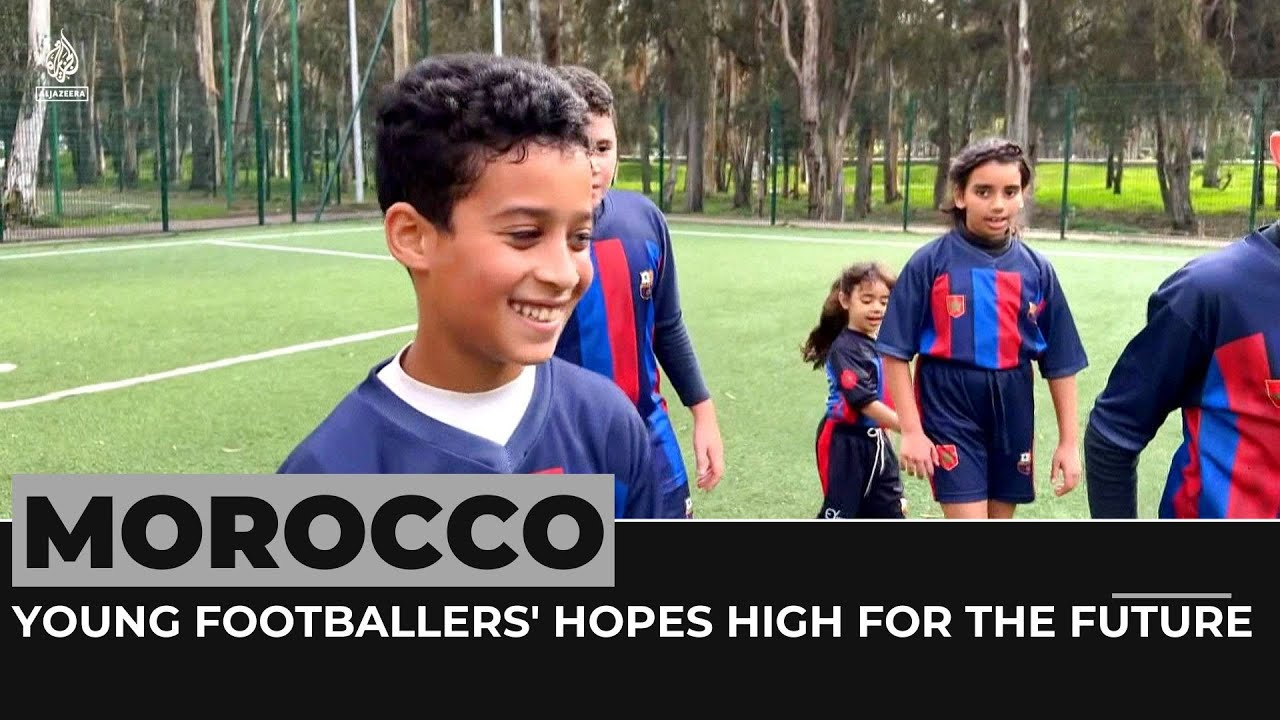
Youth Development and Future Prospects of Moroccan Football
Moroccan football has achieved significant progress on the global stage, marked by historic accomplishments that have attracted international attention. Central to this advancement is a strong and continually developing focus on youth development within Moroccan football. This article examines the comprehensive framework, strategic investments, and future prospects shaping the progression of young talent in Morocco, from grassroots participation to international recognition. Analyzing the systems supporting these emerging players is essential for understanding Morocco’s enduring influence in football.
The recent achievements of the Moroccan national team, especially their notable performance in the FIFA World Cup, represent the results of sustained effort, strategic planning, and a systematic approach to youth identification, training, and integration. This article analyzes the methods by which Morocco is establishing a sustainable talent pipeline to secure the long-term success of its football objectives.
The Foundation: A Historical Perspective on Moroccan Football Youth Development
The development of Moroccan football originated with grassroots enthusiasm and gradually transitioned into more organised structures. Initial youth development initiatives were informal and led by dedicated local coaches and community-driven programs. These early efforts established the foundation for a football culture that is now deeply embedded in Moroccan society.
The mid-20th century saw the establishment of early football clubs and regional leagues, which naturally began to incorporate youth teams. These initial structures, though rudimentary by today’s standards, were vital in channelling young energy into organised sport. They provided the first competitive environments in which young Moroccan talent could hone their skills and dream of professional careers.
Over time, Moroccan football incorporated lessons and best practices from established football nations, which influenced the evolution of its youth development strategies. It became clear that long-term national success requires not only current talent but also a steady influx of highly skilled, well-trained young players. Thisrealisationn led to the adoption of a more systematic approach to youth development.
Key Pillars of Moroccan Football Youth Development
Contemporary Moroccan football youth development employs a multi-faceted strategy, integrating several key components to maximise potential at all levels. Each element contributes to a cohesive and effective ecosystem for nurturing young footballers.
Academies and Training Centres: Forging Future Stars
Specialised football academies and training centres are central to Morocco’s youth development strategy. These institutions serve as comprehensive educational environments, providing technical, tactical, physical, and psychological coaching alongside academic education. The Mohammed VI Football Academy exemplifies this model and has produced numerous players for the national team.
These academies emphasise holistic development, recognising that player success depends on more than just athletic ability. They promote discipline, teamwork, and a professional mindset from an early stage. The rigorous programs challenge players while offering essential support for personal and athletic growth. For further information, see The Golden Generation: How Moroccan Football Youth Academies are Forging Future Stars.
Talent Identification and Scouting: Discovering Prodigies
Early and effective talent identification is essential. Morocco has established an extensive scouting network that operates in both urban centres and remote villages, ensuring comprehensive coverage. This network employs experienced scouts familiar with the specific characteristics of Moroccan football and adept at recognising raw talent and potential.
The scouting process evaluates not only physical attributes but also technical skills, game intelligence, attitude, and psychological resilience. Modern data analysis and video scouting supplement traditional methods, resulting in a comprehensive approach to talent identification. For more details, refer to Scouting the Future: How Morocco Discovers Its Next Football Prodigies.
Player Pathways and Progression: From Local to National Glory
After identification, young talents require defined pathways for advancement. Morocco has implemented a structured system that transitions players from local club academies to regional and national youth teams, and ultimately to professional clubs and the senior national team. This progression is systematically managed to provide suitable challenges and development opportunities at each stage.
This system includes participation in youth leagues, national championships, and international tournaments, offering essential competitive experience. Smooth transitions between levels are critical for sustained development and help prevent the loss of promising players. For additional information, see From Local Pitches to National Glory: Pathways for Moroccan Football Youth Talent.
Coaching and Technical Expertise: Nurturing Champions
Coaching quality directly influences player development. Morocco has made substantial investments in training and certifying youth coaches, ensuring they possess current methodologies and tactical expertise. Coaches serve as mentors, educators, and role models, shaping both the character and skills of young athletes.
The development of coaches focuses on age-appropriate training, player psychology, and long-term development planning. Ongoing professional development and exposure to international best practices ensure that Moroccan youth coaches remain leaders in modern football education. For further insights, consult Coaching the Champions: The Role of Youth Coaches in Moroccan Football.
Investment and Funding: Securing Tomorrow’s Success
Sustainable youth development depends on considerable financial investment. The Royal Moroccan Football Federation (FRMF), together with government agencies and private sponsors, has allocated substantial resources to infrastructure, coaching programs, and player support. This funding guarantees high-quality facilities, competitive compensation for coaching staff, and equitable access to training for players from diverse socio-economic backgrounds.
These investments encompass the construction and maintenance of advanced academies as well as the provision of scholarships for promising young athletes. The long-term vision guiding these financial commitments highlights Morocco’s dedication to ensuring a successful future for its football programs. For more information, refer to Investment in Tomorrow: Funding the Future of Moroccan Football Youth.
Integrating Diaspora Talent: Harnessing Global Moroccan Potential
A key factor in Morocco’s recent achievements is the integration of talented players of Moroccan descent residing abroad. Many of these individuals have developed within elite European youth systems, and their participation enhances the national team with diverse skills and experiences. The FRMF has actively engaged with these players and their families to foster a strong sense of national identity and inclusion.
This integration strategy includes ongoing communication, dedicated scouting networks in Europe, and the creation of an environment in which diaspora players feel valued and fully incorporated into the national structure. This approach has significantly enhanced the depth and quality of Morocco’s national teams. For further details, see Diaspora Dynamos: Integrating Moroccan Talent from Abroad into the National Team Pipeline.
Challenges and Opportunities in Youth Football
Despite notable successes, Morocco’s youth development program faces several challenges. These include maintaining consistent funding, preventing athlete burnout, and ensuring equitable access to quality training across all regions. Additionally, the evolving international football landscape necessitates continual adaptation and innovation.
These challenges are accompanied by significant opportunities. Increased global recognition of the national team has stimulated greater interest and participation in football throughout Morocco, expanding the talent pool. Technological advancements provide new tools for training and analysis, and international partnerships enable knowledge exchange and exposure to diverse playing styles. For further analysis, consult Challenges and Triumphs: The Reality of Youth Development in Moroccan Football.
Strategic Vision and Long-Term Goals
Moroccan football authorities have established a clear strategic blueprint for the ongoing development of youth football. This vision prioritizes sustainability, innovation, and global competitiveness. Key objectives include expanding infrastructure, improving coach education, strengthening grassroots programs, and integrating sports science into training methodologies.
Long-term goals focus not only on producing professional players but also on developing well-rounded individuals who contribute positively to society. This holistic approach ensures that investments in youth development generate broader societal benefits. For more information on future plans, see The Strategic Blueprint: Morocco’s Long-Term Vision for Youth Football Development.
Notable Moroccan Football Youth Talents
The effectiveness of Morocco’s youth development system is demonstrated by the emergence of players who achieve significant success. Although individual names change frequently, the system consistently produces athletes with advanced technical skills, tactical intelligence, and a strong work ethic. These players are recognized for their creativity, resilience, and adaptability.
This development pipeline provides a steady flow of players prepared to compete at elite club and international levels. These athletes serve as role models, motivating younger generations to pursue football with commitment and enthusiasm. For profiles of emerging talents, refer to Morocco’s Next Top Talents: Players to Watch in Youth Football.
Benchmarking: Moroccan Youth Development in a Global Context
A comparative analysis with other leading football nations, especially within Africa, highlights the advancements in Moroccan football youth development. Morocco distinguishes itself through a structured approach, substantial investment, and a focus on both domestic and diaspora talent.
Although other African nations have made progress, Morocco’s comprehensive and long-term strategic planning has produced consistent results, establishing it as a benchmark for youth development in Africa. This comparative perspective identifies strengths and areas for further improvement, supporting Morocco’s continued global competitiveness. For more insights, see Compare & Contrast: Moroccan Youth Football Development vs Other African Nations.
The Future Prospects: What Lies Ahead for Moroccan Football
The outlook for Moroccan football is promising, supported by strong youth development programs. A consistent supply of highly skilled and well-trained players enhances the sustained competitiveness of the national team at all levels. This approach ensures a deep talent pool for the senior team, maintaining high performance in major tournaments.
In addition to strengthening the national team, the quality of Moroccan youth players enhances the competitiveness and appeal of the domestic league. This development fosters a robust football culture and increases opportunities for local players. Morocco’s aspiration to host major international tournaments, including the FIFA World Cup 2030, further demonstrates its commitment to establishing itself as a global football leader, with youth development as a central focus.
Investments in human capital through football academies and coaching programs yield broader societal benefits, including improved health, education, and social cohesion among Moroccan youth. The pride and motivation generated by national team achievements encourage future generations, establishing a positive cycle of talent development and national success.
Conclusion
Moroccan football youth development exemplifies strategic vision, sustained commitment, and a holistic approach to talent cultivation. From grassroots programs to elite academies and the integration of diaspora players, each component is carefully planned and implemented. International successes are the direct outcome of these foundational initiatives.
As Morocco refines its strategies, invests in infrastructure, and supports coach development, the of Moroccan football remains highly promising. The nation is building a lasting legacy, ensuring that its football achievements will continue for generations, sustained by a steady stream of exceptional young talent.
FAQ Section
What is the Mohammed VI Football Academy’s role in Moroccan football youth development?
The Mohammed VI Football Academy is a state-of-the-art facility crucial to Moroccan football youth development. It provides comprehensive training, academic education, and holistic support for young talents, serving as a model for other academies and a primary source of players for national teams and professional clubs.
How does Morocco identify its football youth talent?
Morocco employs a sophisticated scouting network that covers both urban and rural areas. This network combines traditional scouting methods with modern data analysis and video scouting to identify players from a young age based on technical skills, tactical understanding, physical attributes, and psychological resilience.
What challenges does Moroccan football youth development face?
Challenges include ensuring consistent funding, preventing player burnout, providing equitable access to quality training across all regions, and adapting to the evolving demands of international football. However, these challenges are often met with strategic solutions and continuous innovation.
How does Morocco integrate talent from its diaspora into the national team pipeline?
Morocco actively scouts and engages with players of Moroccan descent living abroad, particularly in Europe. The Royal Moroccan Football Federation (FRMF) fosters strong relationships with these players and their families, creating a welcoming environment that encourages them to represent their heritage and contribute their skills to the national teams.
What is the long-term vision for Moroccan football youth development?
The long-term vision is to establish a sustainable and globally competitive football ecosystem. This involves continuous investment in infrastructure, advanced coach education, strengthening grassroots football, integrating sports science, and producing not just skilled players but also well-rounded individuals who can contribute positively to society.