

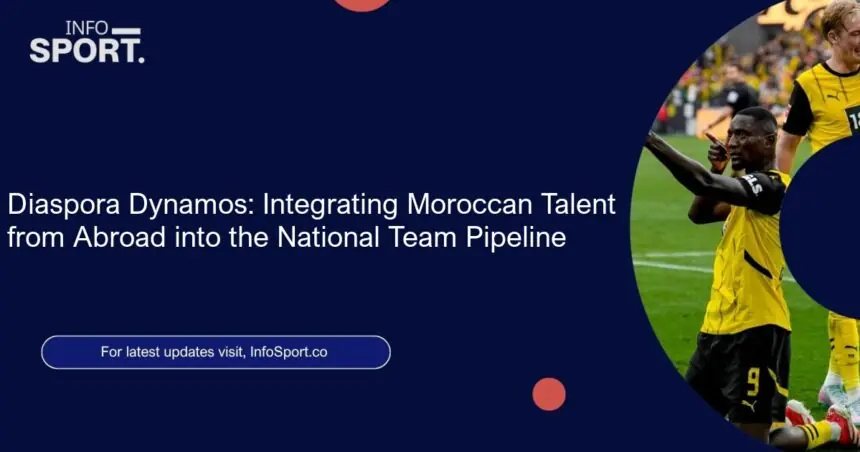
Diaspora Dynamos: Integrating Moroccan Talent from Abroad into the National Team Pipeline
Moroccan football has captivated the world with its flair, resilience, and remarkable achievements on the international stage. A significant factor in this success story is the rich tapestry of talent drawn from both within Morocco and its extensive diaspora. The integration of young players from abroad into the national team pipeline has become a cornerstone of the nation’s strategy, creating a dynamic and highly competitive pool ready to represent the Atlas Lions.
This article explores the meticulous processes, strategic investments, and cultural bridges built to ensure that Moroccan talent flourishing in foreign academies and leagues finds its way back to don the national colours. It highlights how Morocco identifies, nurtures, and integrates these young stars, ensuring a continuous supply of world-class players for generations to come, reinforcing the Youth Development and Future Prospects of Moroccan Football.
The Global Reach of Moroccan Football Talent
The Moroccan diaspora is vast, with communities thriving across Europe, North America, and beyond. In countries renowned for their footballing infrastructure—such as the Netherlands, Belgium, France, Spain, and Germany—young players of Moroccan descent often find themselves in elite academies from an early age. These institutions provide world-class coaching, state-of-the-art facilities, and highly competitive environments, shaping promising youngsters into technically proficient and tactically astute players.
This global presence means that the pool of potential talent extends far beyond the nation’s borders, spanning continents. The dual identity of these players, often deeply rooted in Moroccan culture while shaped by European footballing philosophies, offers a unique blend of passion and professionalism that greatly benefits the national team.
A Rich Talent Pool Across Continents
The success of the Moroccan national team in recent years owes much to players who honed their skills in foreign lands. Achraf Hakimi (Spain/Germany), Hakim Ziyech (Netherlands), Sofyan Amrabat (Netherlands), and Noussair Mazraoui (Netherlands) exemplify the quality that emerges from top European youth systems.

These players bring diverse tactical understandings, experience across different leagues, and exposure to various footballing cultures, enriching the national squad’s overall depth and versatility. The continuous identification and integration of such talent ensures that the pipeline remains robust and internationally competitive.
Strategies for Identifying and Engaging Diaspora Talent
Identifying promising talent abroad requires a sophisticated and proactive approach. The Royal Moroccan Football Federation (FRMF) has invested significantly in establishing comprehensive scouting networks and fostering relationships with clubs and communities in diaspora strongholds.
This strategy goes beyond mere observation, focusing on early engagement, building trust, and creating a compelling vision for young players to choose Morocco over their countries of birth or residence. It represents a delicate balance of professional scouting, cultural outreach, and long-term relationship building.
More Read
Expanding Scouting Networks Beyond Borders
Morocco’s scouting efforts extend well beyond domestic leagues and academies. Dedicated scouts are strategically positioned in key European countries with large Moroccan diaspora populations, attending youth matches, monitoring academy performances, and maintaining close ties with coaches and club officials.
The emphasis is on identifying players at a young age—sometimes as early as 13 or 14—to begin meaningful engagement. This early identification allows the FRMF to track development, invite players to youth camps, and establish connections before other national teams might intervene. This proactive approach is detailed further in Scouting the Future: How Morocco Discovers Its Next Football Prodigies.
The Role of Digital Platforms and Databases
In the modern era, technology plays a crucial role in talent identification. The FRMF utilizes advanced digital platforms and databases to track the performance and progress of thousands of players across various leagues worldwide. Video analysis, statistical data, and performance metrics complement traditional in-person scouting.
These tools enable broader reach and more efficient talent assessment, ensuring no potential prospect goes unnoticed. They also facilitate communication and information sharing among scouting teams, coaches, and technical directors, streamlining decisions regarding national youth team selections.
Nurturing Connections: Bridging the Gap Between Abroad and Home
Attracting diaspora talent is only half the challenge; the other half involves nurturing these connections and ensuring players feel a strong sense of belonging and commitment to Morocco. This transcends footballing prowess and delves into cultural, emotional, and personal dimensions.
The FRMF recognizes that many of these young athletes face a difficult choice between two nations. Therefore, creating a welcoming, supportive, and culturally resonant environment is paramount to securing their allegiance and long-term commitment to the national setup.
More Read

Cultivating a Sense of Belonging
When young players from abroad are invited to national youth team camps, the experience extends far beyond training. Efforts are made to immerse them in Moroccan culture, language, and traditions. Coaches and staff often speak multiple languages, including local Moroccan dialects, to facilitate communication and comfort.
Creating a “family” atmosphere within the national team setup is a deliberate strategy that includes shared meals, cultural activities, and fostering camaraderie among players from diverse backgrounds. This ensures they feel a strong emotional connection to the team and nation they represent, which is crucial for any successful program.
Structured Integration Programs
The FRMF has established clear, structured integration programs for diaspora players across various age groups, from U15 to U23. These include regular training camps, friendly matches, and participation in international tournaments.
These opportunities allow players to familiarize themselves with the national team’s playing philosophy, adapt to the coaching staff, and build chemistry with teammates. They also provide a consistent pathway for progression, ensuring that once a player commits to Morocco, a clear trajectory toward the senior national team awaits. The detailed pathways are explored in From Local Pitches to National Glory: Pathways for Moroccan Football Youth Talent.
The Impact of Diaspora Talent on National Team Success
The strategic integration of talent from abroad has profoundly impacted Morocco’s national team performance, culminating in historic achievements such as the 2022 FIFA World Cup semi-final run. This approach has not only bolstered the team’s talent pool but also elevated its overall quality, tactical sophistication, and competitive edge.
This success serves as a powerful testament to the effectiveness of the FRMF’s long-term vision and investment in tapping into the global Moroccan talent reservoir. It has transformed Morocco into a formidable force in African and world football.
Elevating Performance and Tactical Sophistication
Players from top European academies bring advanced technical skills, tactical awareness, and professional discipline. They are accustomed to high-intensity training, structured game plans, and diverse footballing philosophies. This influx of varied experiences significantly enhances the national team’s capabilities.
The blend of players trained in different systems allows coaching staff to implement complex tactical strategies and adapt to various opponents. This versatility and depth are crucial for competing at the highest levels of international football, contributing directly to the elevated standard of development.
Inspiring the Next Generation
The success of diaspora players like Hakimi, Ziyech, and Amrabat acts as a powerful source of inspiration for both Moroccan youth within the country and those growing up abroad. They provide tangible proof that dreams of playing for the national team are achievable, regardless of where one is raised.
This creates a virtuous cycle: successful players inspire more young talents to consider representing Morocco, further strengthening the pipeline. These role models are vital for fostering ambition and dedication among emerging talents, both at home and abroad.
Challenges and Opportunities in Diaspora Integration
While the integration of diaspora talent has been overwhelmingly successful, it faces notable challenges. Navigating dual nationality, ensuring seamless transitions, and competing with other national teams for top prospects requires continuous effort and strategic foresight.
However, these challenges also present opportunities for refining the integration strategy, strengthening relationships, and building an even more robust and resilient pipeline for national teams.
Navigating Dual Nationality and National Allegiance
One of the most significant challenges is the choice many young players face regarding which nation to represent. Many diaspora players are eligible to compete for both Morocco and their country of birth or residence. This decision can be emotionally taxing and subject to external pressures.
The FRMF’s strategy involves early engagement, building strong personal relationships, and presenting a compelling vision that emphasizes cultural heritage, the warmth of the team environment, and the clear pathway to international success. This proactive approach helps mitigate the risk of losing talent to competing nations, an aspect discussed in Challenges and Triumphs: The Reality of Youth Development in Moroccan Football.
Ensuring Seamless Transition and Adaptation
Even after committing to Morocco, players from abroad may face challenges adapting to a new environment, different coaching styles, and cultural nuances. Language barriers, dietary differences, and social adjustments can impact performance if not properly addressed.
The FRMF provides comprehensive support systems, including language assistance, cultural orientation, and psychological support, to facilitate seamless integration. Creating a supportive and understanding environment is essential for ensuring these players feel comfortable and can perform at their best, both on and off the pitch.
The Future Outlook: Sustaining the Diaspora Pipeline
To maintain its competitive edge, Morocco must continue investing in and evolving its strategy for integrating talent from abroad. This involves deepening existing relationships, exploring new territories, and adapting to the changing landscape of global football development.
The long-term vision extends beyond identifying talent to creating a sustainable ecosystem that continuously feeds world-class players into the national team, ensuring Morocco remains a powerhouse in international football for decades to come. This commitment is reflected in Investment in Tomorrow: Funding the Future of Moroccan Football Youth.
Deepening Relationships with European Clubs and Academies
The FRMF aims to strengthen its ties with prominent European clubs and their academies through fostering open communication channels, organizing friendly matches between youth teams, and potentially establishing formal partnerships for player development and exchange programs.
Maintaining these relationships is crucial for staying informed about the progress of players with Moroccan heritage within these systems and ensuring the FRMF remains a preferred destination for their international careers. This reflects the quality of The Golden Generation: How Moroccan Football Youth Academies are Forging Future Stars.
Fostering Mentorship and Alumni Networks
Establishing mentorship programs where current senior national team players—many of whom advanced through the diaspora pipeline themselves—can guide younger prospects represents a powerful tool. Their experiences and insights are invaluable for helping young athletes navigate the complexities of professional football and international representation.
Creating strong alumni networks also maintains a sense of continuity and shared purpose, ensuring that the legacy of those who have represented Morocco continues to inspire and support emerging generations. This aspect is closely connected to Coaching the Champions: The Role of Youth Coaches in Moroccan Football.
Conclusion
The integration of talent from abroad has been transformational for Moroccan football. By strategically identifying, engaging, and nurturing young players from the diaspora, the Royal Moroccan Football Federation has built a formidable national team that proudly competes on the world stage.
This visionary approach, blending sophisticated scouting with cultural outreach and robust support systems, ensures a continuous supply of high-calibre talent. As Morocco looks ahead, sustaining and evolving this diaspora pipeline will remain central to achieving even greater success and solidifying its position as a leading footballing nation, fulfilling the The Strategic Blueprint: Morocco’s Long-Term Vision for Youth Football Development.
FAQ
Q1: Why is diaspora talent so important for Moroccan football?
A1: Diaspora talent significantly expands the pool of available players, bringing individuals who have developed in top-tier European academies. These athletes often possess advanced technical skills, tactical awareness, and professional experience from highly competitive environments, elevating the overall quality and depth of the national teams and eventually the senior squad.
Q2: How does Morocco identify young players from abroad?
A2: Morocco employs a comprehensive strategy that includes extensive scouting networks in countries with large Moroccan diasporas (such as the Netherlands, Belgium, France, and Spain). Dedicated scouts attend youth matches, monitor academy performances, and build relationships with clubs and communities. Digital platforms and databases are also utilized for broader reach and data-driven talent assessment, as highlighted in Scouting the Future: How Morocco Discovers Its Next Football Prodigies.
Q3: What challenges does Morocco face in integrating these players?
A3: Key challenges include navigating dual nationality, as players may be eligible for multiple national teams. This requires early engagement and building strong emotional ties to Morocco. Additionally, ensuring smooth transition and adaptation for athletes moving between different cultural and footballing environments can prove difficult, necessitating support systems for language, culture, and psychological well-being.
Q4: Have diaspora players contributed significantly to the national team’s success?
A4: Absolutely. Many of Morocco’s key players in recent successes, including the historic 2022 FIFA World Cup semi-final run, were born and raised abroad (such as Achraf Hakimi, Hakim Ziyech, and Sofyan Amrabat). Their diverse experiences and high-level training have been instrumental in elevating the national team’s performance and tactical sophistication, demonstrating the strength of development efforts.
Q5: What is the long-term vision for integrating talent from abroad?
A5: The long-term vision focuses on sustaining and evolving the diaspora pipeline through deepening relationships with European clubs, fostering mentorship programs between senior and youth players, and continuously refining scouting and integration strategies. The goal is to ensure a continuous flow of world-class talent, maintaining Morocco’s competitive edge on the international stage, as outlined in The Strategic Blueprint: Morocco’s Long-Term Vision for Youth Football Development.