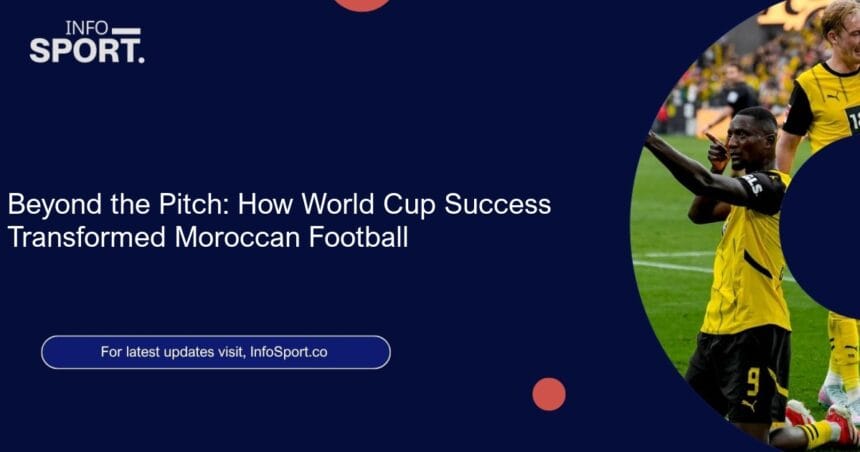
The roar of the crowd, stunning victories, and historic journey to the semi-finals of the 2022 FIFA World Cup in Qatar captivated not just Morocco, but the entire world. What unfolded on those pitches transcended mere football matches—it became a watershed moment that would forever reshape the nation’s sporting landscape and cultural identity. The Morocco World Cup impact reverberated through every facet of Moroccan society, from grassroots development to international diplomacy, leaving an indelible mark that continues to inspire progress and drive meaningful change.
This article explores the profound and multifaceted ways in which Morocco’s unprecedented global success transformed the nation’s football, culture, and aspirations. From igniting national pride to spurring infrastructure development and empowering new generations, the legacy of the Atlas Lions’ historic campaign stands as a testament to sport’s transformative power.
The Genesis of a Revolution: Understanding the Morocco World Cup Impact
Morocco’s journey to the semi-finals was not simply a Cinderella story but rather the culmination of years of strategic planning, investment, and deep-rooted passion for the game. This success, however, acted as a powerful accelerant, amplifying existing efforts and creating opportunities that might otherwise have taken decades to materialize. The immediate national euphoria was palpable, yet its long-term structural effects prove far more enduring and consequential.
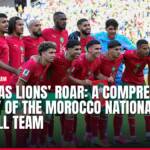
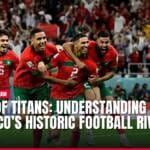
Under coach Walid Regragui’s astute guidance, the Atlas Lions defied expectations by defeating footballing powerhouses including Belgium, Spain, and Portugal. Their resilient displays, tactical discipline, and unwavering unity showcased a new era of Moroccan football—one ready to compete with the world’s elite. This remarkable achievement served as a catalyst for widespread transformation, establishing new benchmarks for ambition and possibility.
A Nation United: Unprecedented National Pride and Identity
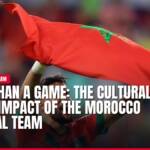
Few events have united Morocco quite like the 2022 World Cup. The victories sparked an outpouring of national pride that transcended regional, social, and political divisions. Millions filled the streets of Rabat, Casablanca, and cities worldwide where Moroccan diaspora communities celebrated with unbridled joy. The red and green flag became a ubiquitous symbol of unity and triumph.

This collective experience fostered a stronger sense of national identity, particularly among younger generations, providing a powerful narrative of resilience and global recognition. For a nation often overlooked internationally, the World Cup success placed Morocco firmly in the global spotlight, showcasing its vibrant culture, hospitality, and footballing prowess. This newfound confidence has permeated various sectors, encouraging Moroccans to pursue greater ambitions across all endeavors.
Inspiring the Next Generation: Youth Development and Grassroots Football
Perhaps the most significant long-term benefit lies in youth development. Watching Hakim Ziyech, Achraf Hakimi, and Yassine Bounou excel on football’s biggest stage has inspired countless young players to dream of becoming the next Atlas Lion or Lioness. Grassroots participation has surged noticeably, with more children enrolling in local clubs and academies.
This success has also validated and accelerated investment in youth structures, notably the Mohammed VI Football Academy. Established years before the World Cup, this state-of-the-art facility has been instrumental in nurturing talent, with several 2022 squad members having graduated from its program. The tournament triumph has underscored the academy’s importance, likely leading to further expansion and replication of this successful model nationwide. The focus now extends beyond simple participation to structured development pathways designed to produce future stars, following in the footsteps of Moroccan World Cup Legends: Top Players Who Shined on the Global Stage.

Infrastructure and Investment: Modernizing Moroccan Football
Global attention has intensified the need for continued investment in football infrastructure. While Morocco already boasts impressive facilities, worldwide exposure has provided fresh impetus for modernization and expansion, including stadium upgrades, new training centers, and improved sports medicine capabilities.
These developments prove crucial not only for supporting the national team but also for enhancing the domestic Botola Pro league. Superior facilities attract higher-caliber players and coaches, elevate the fan experience, and foster a more professional environment for football to flourish. Morocco’s ambition to host major international tournaments, including its joint bid for the 2030 World Cup, directly stems from this commitment to world-class infrastructure, further solidifying positive long-term outcomes.
Boosting International Recognition and Soft Power
Morocco’s World Cup campaign demonstrated masterful soft power projection. The team’s performances, combined with the vibrant and passionate fan support, presented a dynamic and positive image to billions worldwide. This exposure proves invaluable for tourism, trade, and diplomatic relations.
The world now perceives Morocco not merely as a tourist destination but as a nation capable of achieving excellence on the global stage. This enhanced reputation opens doors for greater international collaboration, investment, and cultural exchange, while strengthening Morocco’s standing within African football and reinforcing its leadership role across the continent’s sporting landscape.
Economic Ripple Effects: Tourism, Sponsorship, and Investment
The economic benefits prove manifold. Extensive global media coverage has essentially created an unparalleled tourism campaign, showcasing Morocco’s beauty, culture, and welcoming character. Visitor numbers are expected to rise significantly as people inspired by the team’s performance seek firsthand experience of the country.
Domestically, the football economy has flourished. Sponsorship deals for clubs and the national team are becoming increasingly lucrative. Merchandise sales, from jerseys to souvenirs, have soared considerably. The overall positive sentiment attracts foreign investment across various sectors, as successful and stable nations become more appealing for business ventures. These economic gains extend well beyond stadium gates.

Evolving Tactical Approaches and Coaching Development
Walid Regragui and his technical staff earned international acclaim for their tactical acumen during the tournament. Their capacity to adapt strategies, foster cohesion, and maximize individual talents provided a valuable blueprint for future Moroccan coaches. This success has sparked renewed focus on coaching education and development throughout the country.
Growing emphasis now centers on understanding modern footballing trends, sports science, and psychological preparation. The objective is replicating the winning formula at all levels, from youth teams to professional clubs. Insights from the World Cup campaign are being integrated into coaching curricula, ensuring the next generation of Moroccan coaches possesses the knowledge and skills to compete at the highest level. For deeper insight into these strategies, explore Tactical Masterclasses and Coaching Strategies: Morocco’s World Cup Approaches.
Empowering Women’s Football: A Parallel Rise
The positive momentum from the men’s campaign also benefited women’s football. Though the men’s achievement grabbed headlines, the women’s national team had already made significant strides, qualifying for their inaugural Women’s World Cup in 2023. This parallel success demonstrates holistic commitment to football development across all genders.
Heightened interest in football post-2022 has naturally translated into increased support, visibility, and investment for women’s game. More young girls now feel encouraged to play, breaking down traditional barriers and fostering a more inclusive sporting culture. This momentum proves essential for sustaining women’s football growth and success in Morocco for years ahead.
Attracting and Retaining Talent: A New Era for Moroccan Footballers
The World Cup performance has significantly enhanced Moroccan players’ reputation on the international transfer market. Those who performed well saw their valuations increase, and overall perception of Moroccan talent has risen substantially. This facilitates moves to top European leagues, further developing their skills and experience.
Equally important, it strengthens appeal for dual-national players considering international representation. Many players with Moroccan heritage born and raised in Europe now view the national team as a genuine global contender, making the decision to represent the Atlas Lions significantly more attractive. This ensures a continuous pipeline of high-quality talent for future squads, building upon the legacy chronicled in From Group Stage Exits to Semi-Finalists: The Evolution of Morocco’s World Cup Performance.
Sustaining the Momentum: Future Prospects and Challenges
While the achievements have been overwhelmingly positive, the challenge now centers on maintaining this momentum. The Moroccan Royal Football Federation (FRMF) recognizes that success must be built upon, not merely celebrated. Long-term strategies are being implemented to ensure continued development across all footballing levels.
This encompasses maintaining high standards for youth academies, continuing infrastructure investment, and establishing pipelines for talented coaches and players. The objective involves creating a sustainable ecosystem where excellence becomes routine rather than exceptional. Morocco’s ambition to co-host the 2030 World Cup alongside Spain and Portugal clearly signals commitment to remaining at global football’s forefront.
The progression from previous group stage exits to 2022 semi-finalists reflects perseverance and strategic vision. Moroccan football’s future appears brighter than ever, with the success blueprint firmly established. The challenge lies in adapting, innovating, and continuing to inspire—ensuring that 2022’s legacy propels the nation forward.
Conclusion: A Transformative Legacy Beyond the Pitch
The 2022 FIFA World Cup represented far more than a tournament for Morocco; it became a transformative event that redefined the nation’s position in the footballing world and beyond. This impact has resonated across national pride, youth development, infrastructure, international relations, and economic growth, setting new standards for ambition and achievement while inspiring generations. It demonstrates sport’s remarkable capacity to unite and uplift nations.
As Morocco advances, the lessons learned and momentum gained from this historic campaign will undoubtedly serve as cornerstones for continued progress. The Atlas Lions’ roar resonates not merely as past glory but as an ongoing call to pursue excellence, ensuring Moroccan football and the nation itself maintain their remarkable global ascent. This success story powerfully reminds us that sport can be a catalyst for profound, lasting change extending far beyond the pitch.
FAQ: Morocco World Cup Impact
What was the most significant Morocco World Cup impact from the 2022 tournament?
The most significant impact was the surge in national pride and unity, transcending all societal divisions. This emotional uplift, coupled with unprecedented international recognition, firmly established Morocco on the global stage not only as a tourist destination but as a formidable footballing nation and symbol of African and Arab sporting excellence.
How has the World Cup success affected youth football development in Morocco?
The tournament success has profoundly impacted youth football development, inspiring a new generation of aspiring players and leading to increased grassroots participation. It has also validated and accelerated investment in state-of-the-art academies like the Mohammed VI Football Academy, ensuring structured pathways for talent nurturing and future star development.
Did the Morocco World Cup impact extend to women’s football?
Yes, the positive effects significantly extended to women’s football. The heightened interest and visibility in Moroccan football post-2022 has brought increased attention, support, and investment to the women’s game. This momentum has further boosted the women’s national team, which made history by qualifying for their first Women’s World Cup in 2023.
What economic benefits has Morocco seen due to its World Cup performance?
Morocco has experienced substantial economic benefits. Extensive global media coverage served as an invaluable tourism campaign, with visitor numbers expected to rise significantly. The domestic football economy has strengthened through increased sponsorship and merchandise sales, while the enhanced international reputation has attracted foreign investment across various sectors.
What are the long-term goals for Moroccan football following the 2022 World Cup success?
Long-term goals focus on sustaining and building upon 2022’s success through continued investment in youth academies and infrastructure, enhanced coaching education, strengthened domestic league competition, and talent attraction. A major ambition involves successfully co-hosting the 2030 FIFA World Cup, further cementing Morocco’s status as a global footballing power and ensuring lasting positive impact.