

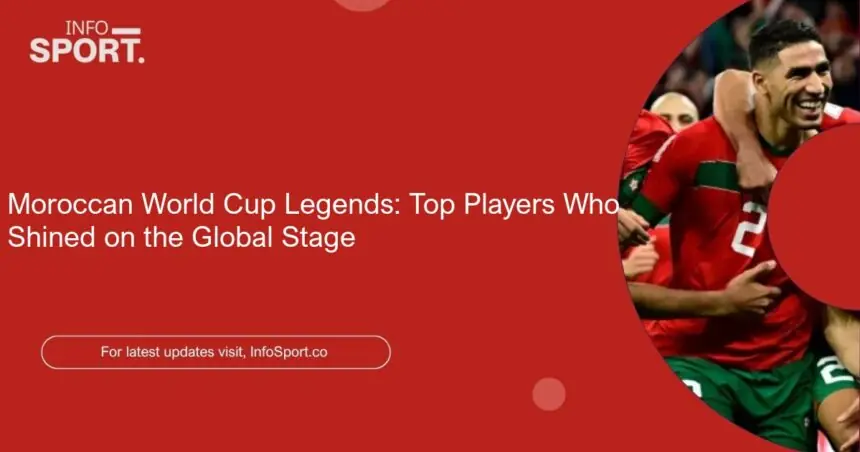
Morocco’s journey on the global football stage has been marked by moments of brilliance, passion, and unforgettable performances. Throughout their participation in the FIFA World Cup, a select group of players have transcended the ordinary, etching their names into the annals of football history. These legends, from pioneering talents to modern-day heroes, have not only showcased exceptional skills but also inspired a nation and captivated audiences worldwide. Their contributions have been instrumental in shaping Morocco’s complete FIFA World Cup history, creating a rich tapestry of memorable moments.
This article explores the careers and impacts of Morocco’s most notable World Cup performers who have truly shined on the global stage, celebrating their achievements and the legacy they’ve left behind. From the early trailblazers to the stars of the historic 2022 campaign, we examine the individuals who defined the nation’s presence at football’s most prestigious tournament.
The Early Pioneers: Morocco’s Debut Era
Morocco’s inaugural FIFA World Cup appearance in 1970 marked a significant milestone for African football. Although their campaign concluded in the group stage, it introduced the world to the talent and resilience of Moroccan football. The squad members from this era laid the groundwork for future generations, inspiring a nation with their participation.
1970 FIFA World Cup: A Groundbreaking Appearance
Facing formidable opponents like West Germany, Peru, and Bulgaria, the pioneering 1970 squad showed flashes of brilliance and remarkable courage despite a tough draw. These athletes were the first to represent Morocco on football’s biggest stage.
Driss Bamous
As captain of the 1970 team, Driss Bamous was a commanding presence both on and off the pitch. This gifted midfielder led by example, embodying the spirit of Moroccan football. His leadership proved crucial in navigating the squad through their inaugural World Cup experience, leaving an indelible mark on the nation’s footballing consciousness.
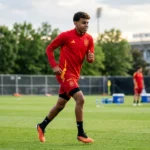
Hassan Amcharrat (Acila)
Acila was another prominent figure in the 1970 team. Renowned for his attacking flair, he served as one of Morocco’s key offensive threats. Though his performances didn’t result in victories, they demonstrated the potential of Moroccan forwards against world-class defenses.
The Golden Generation: 1986 Campaign
The 1986 FIFA World Cup in Mexico stands as one of Morocco’s most celebrated campaigns. The Atlas Lions made history by becoming the first African nation to advance beyond the group stage—a feat that resonated globally. This achievement stemmed largely from a remarkable group of athletes who combined tactical discipline with individual brilliance.
Breaking Barriers in Mexico 1986
Morocco topped a challenging group featuring England, Poland, and Portugal. Their defensive solidity and counter-attacking prowess surprised observers, and their progression to the Round of 16 captured the imagination of football fans worldwide. This tournament showcased the evolution of Morocco’s World Cup performance.
More Read

Badou Zaki
Widely considered the most iconic goalkeeper of his generation, Badou Zaki captained the 1986 team and delivered exceptional performances. His heroic saves against England, Poland, and Portugal were instrumental in Morocco’s historic run. His commanding presence and agility earned widespread acclaim, including the African Player of the Year award in 1986, cementing his status as a national hero.
Mohammed Timoumi
Mohammed Timoumi was the creative force of the 1986 squad. As a skillful and intelligent midfielder, his vision and passing range orchestrated Morocco’s attacks. His ability to dictate tempo and unlock defenses made him a standout performer and essential to their success.
Aziz Bouderbala
Bouderbala was a dynamic winger known for his blistering pace and dazzling dribbling. His ability to take on defenders and create chances from wide areas added vital offensive dimensions. His flair and constant threat made him a fan favorite and a consistent problem for opposing defenses.
Merry Krimau
As the team’s primary striker, Merry Krimau played a pivotal offensive role. His goal-scoring instincts and relentless work rate proved crucial, and he netted one of Morocco’s goals in the tournament, contributing significantly to their historic progression.
The Late Twentieth Century: 1994 and 1998 Tournaments
After their 1986 success, Morocco returned to the World Cup in 1994 and 1998. While these campaigns didn’t replicate that achievement, they showcased a new generation of talented athletes who continued to uphold the nation’s footballing pride.
1994 FIFA World Cup: A Challenging Campaign
Grouped with Belgium, Saudi Arabia, and the Netherlands, Morocco’s 1994 campaign in the USA ended without victories, though the team displayed moments of individual brilliance.
More Read

Noureddine Naybet
Noureddine Naybet emerged as a defensive stalwart during this period. Though he would truly flourish in 1998, his 1994 presence hinted at the formidable defender he would become. His strength, aerial ability, and leadership made him one of Morocco’s most capped players and a genuine legend.
1998 FIFA World Cup: Unlucky Elimination
The 1998 World Cup in France is often remembered as a campaign where Morocco played exceptionally but faced unfortunate circumstances. Finishing third in their group, they narrowly missed knockout qualification due to other results. The squad produced some of Morocco’s greatest World Cup moments, despite the outcome.
Mustapha Hadji
Mustapha Hadji was unquestionably the standout star of the 1998 team. An attacking midfielder with incredible vision, dribbling skills, and a powerful shot, Hadji captivated audiences with dynamic performances. His memorable goal against Norway and constant threat earned him the African Player of the Year award in 1998, highlighting his individual brilliance.
Noureddine Naybet (Continued)
By 1998, Naybet had reached his peak as a commanding center-back who orchestrated the defense with authority. His partnership with Youssef Rossi formed a formidable barrier, showcasing his leadership and defensive mastery on the global stage.
Salaheddine Bassir
Bassir was a prolific striker who provided attacking firepower for the 1998 squad. His two goals against Scotland were crucial in Morocco’s sole tournament victory, demonstrating his clinical finishing and importance to their offensive efforts.
Return to the Global Stage: 2018 World Cup
After a 20-year absence, Morocco finally returned to the FIFA World Cup in Russia in 2018. Under coach Hervé Renard, the squad blended European-based talent with domestic stars. Though they didn’t advance from a challenging group featuring Spain, Portugal, and Iran, their performances reflected resilience and tactical discipline.
2018 FIFA World Cup: A Resilient Comeback
The squad fought valiantly, securing a memorable draw against Spain. These spirited displays demonstrated that Moroccan football had returned to the world stage, ready to compete at the highest level. This campaign set the foundation for future success.
Medhi Benatia
As captain, Medhi Benatia was the undisputed leader of the 2018 squad. This world-class center-back brought composure, tactical intelligence, and a strong defensive presence from his extensive experience at top European clubs. His leadership proved vital in organizing the backline against formidable attacking opponents.
Hakim Ziyech
Hakim Ziyech’s creative brilliance was evident even in 2018. Though he didn’t score, his vision, passing, and ability to unlock defenses from midfield were invaluable. These performances hinted at the significant impact he would have in later tournaments, showcasing his immense talent.
Achraf Hakimi
A young Achraf Hakimi made his World Cup debut in 2018 at left-back. His pace, attacking runs, and defensive work immediately caught attention. This tournament served as a stepping stone for Hakimi, who would eventually become one of the world’s finest full-backs and a central figure in Morocco’s future achievements.
The Architects of History: 2022 World Cup
The 2022 FIFA World Cup in Qatar witnessed Morocco achieve an unprecedented milestone, becoming the first African and Arab nation to reach the semi-finals. This historic run represented the culmination of exceptional teamwork, tactical brilliance, and outstanding individual performances from a new generation. The Atlas Lions’ remarkable achievement captivated the world.
2022 FIFA World Cup: Semi-Finalists and Global Icons
Under Walid Regragui’s guidance, Morocco defeated giants including Belgium, Spain, and Portugal, demonstrating incredible defensive organization and lethal counter-attacking prowess. This squad redefined expectations for African football and left an indelible mark on World Cup history. The impact of this success transformed Moroccan football forever.
Yassine Bounou (Bono)
Bono was arguably the most crucial player in Morocco’s 2022 campaign. His heroic saves in penalty shootouts against Spain and consistent world-class performances throughout the tournament earned widespread acclaim. His calm demeanor, agility, and command of his area made him an impenetrable force, establishing him as one of the world’s elite goalkeepers.
Achraf Hakimi
By 2022, Achraf Hakimi had evolved into a global superstar. Playing at right-back, his relentless attacking runs, defensive contributions, and incredible pace were central to Morocco’s strategy. His coolly converted penalty against Spain in the shootout became an iconic moment, symbolizing the team’s courage and self-belief. His influence across both ends of the pitch proved indispensable.
Romain Saïss
As captain, Romain Saïss was the heart and soul of Morocco’s defense. His leadership, tactical intelligence, and physical presence at center-back were instrumental in building the team’s formidable defensive structure. Despite playing through injury, his commitment and determination inspired teammates and demonstrated unwavering dedication to the national cause.
Sofyan Amrabat
Sofyan Amrabat emerged as one of the tournament’s standout defensive midfielders. His tireless work rate, ball-winning abilities, and tactical discipline shielded the defense and disrupted opposition attacks. His performances earned widespread praise, with many ranking him among the best in his position at the World Cup. He was the engine powering Morocco’s midfield.
Hakim Ziyech
Hakim Ziyech’s redemption arc highlighted the 2022 World Cup. After uncertainty with the national team, he returned under Regragui and delivered exceptional performances. His creative vision, dangerous crosses, and crucial goals—including one against Canada—provided the attacking spark, showcasing his undeniable talent and impact.
Azzedine Ounahi
Azzedine Ounahi was the tournament’s revelation. Relatively unknown before the World Cup, his elegant dribbling, exquisite close control, and ability to glide past opponents captivated audiences. His graceful style and tireless running created vital links between defense and attack, earning widespread praise and attracting interest from top European clubs.
Youssef En-Nesyri
As the team’s primary striker, Youssef En-Nesyri played a crucial role leading the line. His aerial prowess and ball-holding ability were important, but his iconic header against Portugal in the quarter-finals secured Morocco’s place in the semi-finals, etching his name into World Cup history. This goal became a moment of pure national pride.
Walid Regragui (Coach)
While not a player, Walid Regragui’s impact on the squad and their performance cannot be overstated. His tactical acumen, ability to foster strong team spirit, and unwavering belief in his group were critical to their historic run. His philosophy transformed Morocco into a formidable unit capable of challenging the world’s best, demonstrating the power of effective coaching in football.
Impact and Legacy
The legacy of these performers extends far beyond individual achievements. They have collectively inspired millions across Morocco, Africa, and the Arab world. Their accomplishments have elevated the profile of Moroccan football, encouraging greater investment in youth development and infrastructure. The 2022 squad’s success, in particular, has created a new generation of fans and aspiring athletes eager to follow in their footsteps.
These players have demonstrated that with talent, dedication, and unity, extraordinary success is achievable on the global stage. Their stories testify to the passion and potential within Moroccan football, continuously pushing boundaries of what is possible. From the trailblazers of 1970 to the semi-finalists of 2022, Morocco’s record shows a clear upward trajectory in performance and global recognition.
Conclusion
The journey of Morocco’s World Cup participants is a captivating narrative of resilience, skill, and unwavering national pride. From Driss Bamous leading the charge in 1970 to modern-day heroes like Bono, Hakimi, and Ziyech who made history in 2022, each generation has contributed to the nation’s rich footballing heritage. These legends have etched their names into the record books and become symbols of hope and inspiration for a nation that lives and breathes football.
Their exploits on the global stage have consistently showcased the unique blend of technical ability, tactical discipline, and passionate flair that characterizes Moroccan football. As the Atlas Lions pursue future World Cup ambitions, the legacies of these iconic figures will undoubtedly continue inspiring new generations to dream boldly and strive for greater achievements.
FAQ About Moroccan World Cup Players
Q1: Who was the first Moroccan World Cup captain?
A1: Driss Bamous had the distinction of captaining the national team during their debut appearance at the 1970 FIFA World Cup in Mexico.
Q2: Which goalkeeper is considered one of the best African players of all time?
A2: Badou Zaki, captain and goalkeeper of the 1986 team, is widely regarded as one of Africa’s greatest goalkeepers. His heroic performances in 1986 were instrumental in Morocco becoming the first African nation to reach the World Cup knockout stages.
Q3: Who scored the decisive goal in the 2022 World Cup quarter-final against Portugal?
A3: Youssef En-Nesyri scored the decisive header against Portugal in the 2022 FIFA World Cup quarter-final, securing Morocco’s historic progression to the semi-finals.
Q4: Which player appeared in the most World Cup tournaments for Morocco?
A4: Noureddine Naybet played in three FIFA World Cups for Morocco (1994, 1998, and 2018, though he was an unused substitute in 2018), making him one of the most experienced competitors in terms of tournament participation.
Q5: How many players were part of the 2022 semi-final squad?
A5: The 2022 World Cup squad consisted of 26 players who formed the historic team that reached the semi-finals, making them all legendary figures in their own right for this incredible achievement.