The roar of the crowd, the vibrant red and green flags, and the collective gasp of a nation holding its breath – these are the hallmarks of a football match involving the Morocco National Team. But beyond the ninety minutes of play, the Morocco football cultural impact extends far into the social fabric of the country and beyond its borders. Football in Morocco is not merely a sport; it is a profound cultural phenomenon, a unifying force, and a powerful symbol of national identity and aspiration. This article delves into the multifaceted ways the Atlas Lions have shaped Moroccan society, connecting generations, inspiring dreams, and projecting a unique cultural narrative onto the global stage. To understand the deeper significance, it’s essential to look at the History and Achievements of the Morocco National Football Team, which provides the context for their immense cultural resonance.
The Unifying Power of the Atlas Lions
Few entities possess the power to unite a diverse population quite like a national football team. In Morocco, the Atlas Lions serve as a powerful emblem of national unity, transcending regional, social, and economic divides. When the team plays, the entire nation rallies together, creating a shared experience that reinforces a collective sense of belonging.
Fostering National Identity and Pride
The success of the Morocco National Team, particularly during significant tournaments, ignites an overwhelming sense of national pride. Each victory is celebrated not just as a sporting achievement but as a triumph for the nation itself. This collective joy strengthens national identity, reminding Moroccans of their shared heritage and aspirations. The team’s journey is often seen as a reflection of the nation’s own journey – one of resilience, determination, and the pursuit of excellence.
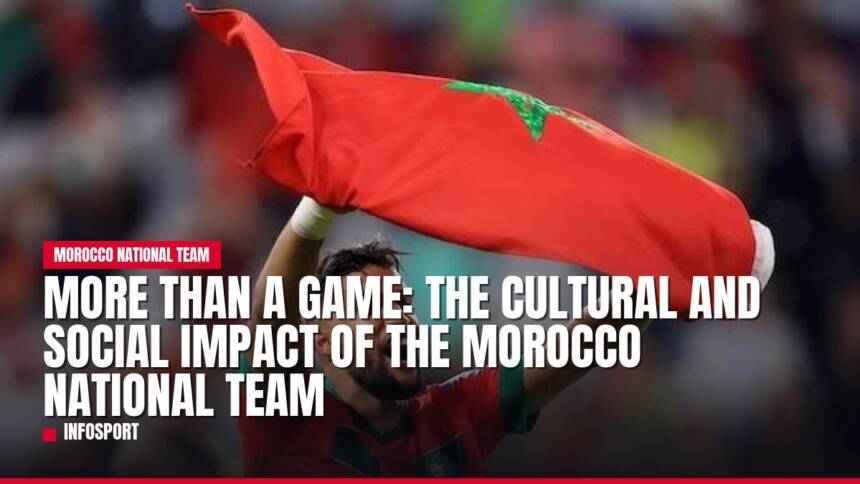
From the bustling souks of Marrakech to the quiet villages in the Atlas Mountains, the colours of the national flag become omnipresent. Children wear replica jerseys, elders gather in cafes to watch games, and families decorate their homes. This widespread display of national symbols underscores how deeply the team is woven into the everyday cultural life of Morocco. The narrative of The Atlas Lions’ Roar: A Comprehensive History of the Morocco National Football Team illustrates this enduring connection.
A Symbol of Resilience and Aspiration
The path of the Morocco National Team has been marked by both glorious victories and challenging defeats. Yet, through it all, their perseverance has become a powerful metaphor for the resilience of the Moroccan people. Every comeback, every hard-fought draw, and every historic win reinforces a national narrative of overcoming adversity. This resilience is a key component of the Morocco football cultural impact.

Furthermore, the team embodies national aspirations. When Moroccan players compete on the global stage, they carry the hopes and dreams of millions. Their pursuit of excellence inspires young Moroccans to strive for greatness in their own lives, whether in sports, academics, or other fields. The players, many of whom come from humble beginnings, become role models, demonstrating that dedication and talent can lead to extraordinary achievements.
Morocco Football Cultural Impact Beyond Borders
The influence of the Atlas Lions is not confined within Morocco’s geographical boundaries. The team serves as a crucial link for the vast Moroccan diaspora and a source of inspiration for the wider Arab and African world.
Connecting the Moroccan Diaspora
Millions of Moroccans live abroad, maintaining strong ties to their homeland. For them, the national football team is a vital cultural bridge, a tangible connection to their roots. When the team plays, Moroccan communities in Europe, North America, and beyond gather to watch, celebrating victories with the same passion and fervour as those back home. These gatherings reinforce cultural identity, provide a sense of community, and allow the diaspora to actively participate in a shared national experience.

The team’s success fosters a sense of collective pride that transcends geographical distance. It allows Moroccans living abroad to showcase their heritage and culture to their host countries, promoting a positive image of Morocco on an international scale. This global reach significantly amplifies the Morocco football cultural impact.
Inspiring the Arab and African World
Morocco’s achievements on the international football stage resonate deeply across the Arab world and the African continent. As one of the pioneering African nations to make a mark in global football, their successes are often celebrated as victories for the entire region. For example, their historic performance at the 2022 World Cup was not just a Moroccan triumph but a moment of immense pride for Arabs and Africans everywhere, breaking stereotypes and demonstrating the potential of teams from these regions.
The Atlas Lions’ journey, from their Breaking Barriers: Morocco’s First World Cup Appearance and Early AFCON Glory to their recent global prominence, inspires other national teams and federations to invest in football development. It shows what is possible with talent, strategy, and unwavering support, making them a beacon of hope and a source of collective joy for millions beyond Morocco.
Football as a Catalyst for Social Change
The cultural impact of football in Morocco extends beyond national pride and diaspora connections; it actively contributes to social development and positive change within the country.
Empowering Youth and Promoting Healthy Lifestyles
Football is the most popular sport among Moroccan youth. The success of the national team inspires countless young boys and girls to take up the sport, fostering healthy lifestyles and providing a constructive outlet for their energy. Local football clubs and academies flourish, offering opportunities for talent development and character building. These institutions often serve as crucial community hubs, teaching discipline, teamwork, and sportsmanship.
The dream of becoming an Atlas Lion motivates many to pursue education and training, understanding that talent alone is not enough. This aspirational quality of football contributes significantly to the positive Morocco football cultural impact on youth development.
More Read

Bridging Social Divides
In a society with diverse socio-economic backgrounds, football acts as a powerful equalizer. On the pitch, players come from various regions and social strata, united by their shared goal. In the stands, fans from all walks of life stand side-by-side, their differences momentarily forgotten in the shared passion for their team. This communal experience fosters social cohesion and mutual understanding, breaking down barriers that might exist in other societal contexts.
During major tournaments, the streets of Morocco transform into vibrant public arenas where people from all backgrounds gather to watch games. These spontaneous celebrations create a sense of collective effervescence, strengthening community bonds and promoting a shared national identity.
Economic Ripple Effects
The success and popularity of the Morocco National Team also generate significant economic activity. From merchandise sales and advertising revenue to tourism and infrastructure development, football contributes to the national economy. Major tournaments hosted in Morocco, or the team’s participation in international events, boost local businesses, create jobs, and attract foreign investment. This economic dimension further solidifies the multifaceted Morocco football cultural impact.
The development of modern stadiums, training facilities, and sports complexes not only benefits football but also contributes to the overall urban and regional development of the country. These investments leave a lasting legacy beyond the sport itself.
The Evolution of Moroccan Football Culture
Moroccan football culture has evolved significantly over the decades, adapting to global trends while retaining its unique local flavour. This evolution reflects broader societal changes and the increasing integration of Morocco into the international sporting landscape.
From Local Pitches to Global Stages
The journey of Moroccan football began on dusty local pitches, fueled by raw passion and community spirit. Over time, with improved infrastructure, professional leagues, and strategic investments in youth development, Moroccan football has matured. This progression has allowed the national team to consistently compete on global stages, making Morocco at the FIFA World Cup: A Chronicle of All Appearances a compelling read.
The professionalization of the sport has also led to Moroccan players excelling in top European leagues, bringing back invaluable experience and raising the standard of play within the national team. These players become ambassadors for Moroccan culture, influencing global perceptions.
Fan Culture and Celebrations
Moroccan fan culture is renowned for its vibrancy, passion, and creativity. Chants, elaborate choreographies, and a sea of red and green flags are characteristic of Atlas Lions matches. Celebrations after victories are legendary, with entire cities erupting in joyous processions, car horns blaring, and people dancing in the streets until the early hours. These celebrations are an integral part of the Morocco football cultural impact, showcasing the nation’s collective enthusiasm.
This passionate support is not limited to home games; Moroccan fans travel in large numbers to support their team internationally, creating an electrifying atmosphere that is admired worldwide. This unwavering support is a testament to the deep emotional connection between the team and its supporters.
The Role of Media and Digital Engagement
In the digital age, media and social platforms play a crucial role in amplifying the cultural impact of the Morocco National Team. Live broadcasts, sports news coverage, and social media interactions keep fans constantly connected to the team. Players’ social media presence allows fans to engage directly, creating a more personal bond and further integrating the team into daily life.
Digital content, including highlights, behind-the-scenes footage, and fan-generated material, spreads rapidly, ensuring that the team’s narrative reaches a global audience and sustains engagement even between major tournaments. This modern form of communication reinforces the team’s cultural significance.
Key Moments and Their Cultural Significance
Certain moments in the history of the Morocco National Team stand out as particularly significant, leaving an indelible mark on the nation’s cultural consciousness.
The 1986 World Cup: A Watershed Moment
Morocco’s performance at the 1986 FIFA World Cup in Mexico was a watershed moment for Moroccan and African football. Becoming the first African nation to reach the second round of a World Cup, they captured the imagination of the world. This achievement shattered stereotypes and proved that African teams could compete at the highest level. The The Golden Era: Unpacking Morocco’s Legendary 1986 World Cup Campaign details this historic journey.
The cultural impact of this tournament was immense, instilling a deep sense of pride and possibility within Morocco. It showcased the talent and resilience of Moroccan players and laid the groundwork for future generations, profoundly shaping the Morocco football cultural impact.
AFCON Triumphs and Their Echoes
Morocco’s journey through the Africa Cup of Nations has also been a source of immense national pride. While their sole AFCON title came in 1976, their consistent participation and strong performances in subsequent tournaments have kept the flame of hope alive. Each AFCON campaign, whether ending in triumph or heartbreak, deeply engages the nation, demonstrating the team’s role in the national narrative. The Kings of Africa: Morocco’s Journey Through the Africa Cup of Nations highlights these moments.
These tournaments are often seen as a test of national character and a chance to assert Moroccan prowess on the continental stage, further solidifying the team’s cultural importance.
The 2022 World Cup: A Global Phenomenon
The 2022 FIFA World Cup in Qatar marked an unprecedented chapter in Morocco’s football history. Reaching the semi-finals, they became the first African and Arab nation to do so. This extraordinary achievement transcended sport, becoming a global phenomenon that united Moroccans, Arabs, and Africans worldwide. The story of From Underdogs to History Makers: Morocco’s Unforgettable 2022 World Cup Journey is one of sheer determination and belief.
The team’s success sparked an outpouring of joy and celebration, reinforcing a positive image of Morocco and its culture on the international stage. It inspired millions, challenged preconceptions, and left an enduring Morocco football cultural impact that will be felt for generations.
The Future of Morocco’s Football Legacy
The cultural and social impact of the Morocco National Team is not static; it is a dynamic force that continues to evolve and shape the nation’s future. The legacy built by Legendary Lions: The Iconic Players Who Shaped Morocco’s Football History and Masterminds Behind the Atlas Lions: Key Coaches in Morocco’s Football History is a powerful foundation.
Sustaining the Momentum
To sustain this profound cultural impact, continued investment in football development, from grassroots to professional levels, is crucial. This includes nurturing young talent, providing state-of-the-art facilities, and ensuring strong leadership within the football federation. Maintaining a competitive national team ensures that the unifying power and aspirational qualities of the Atlas Lions continue to inspire the nation.
The passion of the fans, often seen during intense matches like those described in Clash of Titans: Understanding Morocco’s Historic Football Rivalries, is a constant source of motivation.
Developing Future Generations
The long-term cultural impact relies on inspiring and developing future generations of players and fans. By fostering a love for the game and providing accessible pathways for participation, Morocco can ensure that football remains a central pillar of its cultural identity. The stories of current heroes will motivate future ones, ensuring that the legacy of the Atlas Lions continues to grow.
Investing in education alongside sports also ensures that young athletes are well-rounded individuals who can contribute to society beyond the football pitch, further enriching the positive social legacy of the sport.
Conclusion
The Morocco National Team is undeniably more than just a collection of athletes; it is a powerful cultural institution that profoundly shapes the identity, aspirations, and social fabric of Morocco. The Morocco football cultural impact is evident in its ability to unite a nation, connect a global diaspora, inspire the Arab and African world, and act as a catalyst for positive social change. From the historic highs of 1986 to the unforgettable journey of 2022, the Atlas Lions have etched their story into the hearts of millions, proving that football can indeed be a reflection of a nation’s soul. As the team continues its journey, its role as a beacon of pride, resilience, and unity will only grow stronger, cementing its place as a cornerstone of Moroccan culture for generations to come.
FAQ Section
What is the cultural significance of football in Morocco?
Football holds immense cultural significance in Morocco, serving as a powerful unifying force that transcends social and economic divides. It fosters national identity and pride, connects the Moroccan diaspora worldwide, and symbolizes resilience and aspiration for the entire nation. The team’s successes are celebrated as national triumphs, deeply embedding football into Moroccan cultural life.
How does the Morocco National Team impact national identity?
The Morocco National Team significantly strengthens national identity by creating a shared sense of pride and belonging. When the team plays, Moroccans unite under the national flag, celebrating victories collectively and experiencing a reinforced connection to their heritage and country. The team’s journey often mirrors the nation’s own story of perseverance and ambition.
In what ways does Moroccan football inspire the youth?
Moroccan football inspires youth by providing positive role models in the form of national team players, many of whom have overcome challenges to achieve greatness. It encourages healthy lifestyles, promotes discipline and teamwork through local clubs and academies, and instills a belief that dedication and talent can lead to extraordinary achievements, both in sports and other aspects of life.
How has the Morocco National Team influenced the global perception of Morocco?
The Morocco National Team has positively influenced the global perception of Morocco, particularly through historic performances like the 1986 and 2022 FIFA World Cups. These achievements showcased Moroccan talent, resilience, and vibrant culture to a global audience, challenging stereotypes and demonstrating the nation’s capabilities on the international stage. Their success also inspired the wider Arab and African world.
What was the cultural impact of Morocco’s 2022 World Cup performance?
Morocco’s semi-final run at the 2022 World Cup had an unprecedented cultural impact. It generated immense national pride, united the Moroccan diaspora, and became a source of immense joy and inspiration for the entire Arab and African world. It shattered historical barriers, demonstrated the potential of African football, and projected a positive image of Moroccan culture and determination globally, leaving an indelible mark on collective memory.