
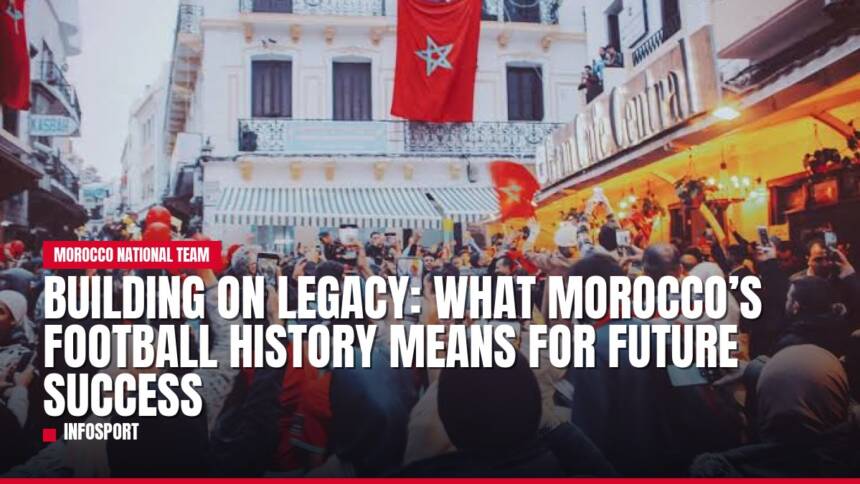
Building on Legacy: What Morocco’s Football History Means for Future Success
Morocco’s football narrative is one of passion, resilience, and groundbreaking achievements. From its nascent days on the international stage to its historic run at the 2022 FIFA World Cup, the Atlas Lions have consistently demonstrated a capacity to surprise and inspire. This rich tapestry of triumphs and challenges forms the bedrock upon which the future of Morocco football team will be built. Understanding this legacy is not merely an exercise in nostalgia; it is crucial for charting a path forward, leveraging past experiences to cultivate sustained success on both African and global stages.
The journey of Moroccan football has been punctuated by moments that have forever altered its trajectory, instilling a deep sense of pride and setting ambitious precedents. These historical milestones serve as both a benchmark and a motivational force for the generations of players, coaches, and administrators who will shape the team’s destiny in the coming years. As we look ahead, the lessons learned from decades of competition, development, and groundbreaking performances will be instrumental in defining the next era for the Atlas Lions.
The Foundations of Future Success: A Rich History
The story of Moroccan football is a testament to perseverance, marked by significant milestones that have shaped its identity and aspirations. These historical achievements are not just records in a book; they are living inspirations for the current and future generations of players.
Echoes of Past Glory: From Early AFCON Wins to 1986
Morocco’s footballing roots run deep, with the national team making its mark early in African football. Their first taste of AFCON glory came in 1976, a pivotal moment that established the Atlas Lions as a force to be reckoned with on the continent. This initial success laid the groundwork for future ambitions, fostering a belief in their capabilities.
Perhaps one of the most iconic chapters in Moroccan football history unfolded at the 1986 FIFA World Cup in Mexico. Here, Morocco famously became the first African and Arab nation to advance past the group stage, topping a formidable group that included England, Poland, and Portugal. This groundbreaking achievement showcased the potential of African football to a global audience and solidified Morocco’s reputation as a team capable of competing with the world’s best. The tactical discipline and flair displayed by that squad continue to be a benchmark for the Atlas Lions at the World Cup.

The 2022 World Cup: A Paradigm Shift
The 2022 FIFA World Cup in Qatar represented a seismic shift in Moroccan football, elevating the team to unprecedented heights. Under the astute guidance of coach Walid Regragui, Morocco captivated the world with their fearless performances, becoming the first African and Arab nation to reach the semi-finals of the tournament. This historic run, which saw them defeat footballing giants like Belgium, Spain, and Portugal, was more than just a series of victories; it was a powerful statement about the quality, resilience, and tactical prowess of Moroccan football.
The emotional connection forged between the team and its fans, both at home and across the diaspora, underscored the unifying power of football. The 2022 campaign didn’t just break records; it shattered stereotypes and instilled a profound sense of belief that the Atlas Lions could truly compete at the highest level. This newfound confidence and global recognition are invaluable assets for the future of Morocco football team, setting a new standard for ambition and achievement.
Pillars for the Future of Morocco Football Team
Building on the momentum of its rich history, Morocco is strategically investing in several key areas to ensure a sustainable and prosperous future for its national football team. These pillars are designed to create a robust ecosystem that nurtures talent, fosters excellence, and maintains competitiveness.

Investing in Youth Development and Infrastructure
At the heart of Morocco’s long-term football strategy is a profound commitment to youth development. The Mohammed VI Football Academy, inaugurated in 2009, stands as a beacon of this commitment. This state-of-the-art facility is not merely a training ground; it is a comprehensive institution dedicated to identifying, nurturing, and educating young Moroccan talents. It provides world-class coaching, academic support, and modern facilities, ensuring a holistic development approach.
The success of the academy is evident in the number of its graduates who have gone on to represent the national team, including key players from the 2022 World Cup squad. This systematic approach to grassroots development ensures a continuous pipeline of skilled players, forming a crucial foundation for the future of Morocco football team.
Leveraging the Diaspora Talent Pool
Morocco’s extensive diaspora across Europe, particularly in countries like the Netherlands, Belgium, France, and Spain, has always been a significant source of talent for the national team. Players developed in top European academies bring a wealth of experience, tactical understanding, and exposure to elite-level football. The ability to integrate these foreign-born or foreign-raised players with those from the domestic league has been a hallmark of Morocco’s success.
This dynamic blend of talents enriches the squad, offering diverse playing styles and perspectives. Maintaining strong ties with the diaspora and actively scouting Moroccan talents abroad will remain vital for strengthening the national team and ensuring access to a wider pool of high-quality players for the future of Morocco football team.
Strategic Coaching and Technical Leadership
The impact of effective coaching cannot be overstated. The success of the 2022 World Cup campaign under Walid Regragui highlighted the importance of a coach who understands the team’s culture, possesses strong tactical acumen, and can inspire his players. Regragui, following in the footsteps of other masterminds behind the Atlas Lions, demonstrated the transformative power of leadership.
Morocco’s football federation is focused on developing coaching talent at all levels, from grassroots to the national team. Investing in coaching education, sports science, and performance analysis ensures that Moroccan football remains at the forefront of modern tactical trends. This technical leadership is essential for refining individual player skills and crafting cohesive team strategies, guaranteeing a competitive edge for the future of Morocco football team.
More Read

Sustaining Performance and Mental Fortitude
The 2022 World Cup run showcased not only technical skill but also an extraordinary level of mental fortitude and collective spirit. Maintaining this high standard of performance and resilience is paramount. The challenge for the future of Morocco football team is to transform exceptional moments into consistent excellence.
This involves fostering a winning mentality, instilling discipline, and ensuring that players are psychologically prepared for the pressures of international competition. Regular participation in high-level friendly matches and competitive tournaments will be crucial for keeping the squad sharp and mentally robust, allowing them to consistently perform under pressure.
Navigating Challenges on the Path to the Future of Morocco Football Team
While the outlook for Moroccan football is bright, several challenges must be addressed to ensure continued growth and success. Acknowledging and proactively tackling these hurdles will be vital for the sustainable development of the national team.
High Expectations and Pressure
The unprecedented success of reaching the World Cup semi-finals has naturally raised expectations to an all-time high. Every future performance will be measured against this benchmark, creating immense pressure on players and coaching staff. Managing these expectations, both internally and externally, will be critical.
The team must learn to navigate this spotlight, focusing on consistent development rather than solely chasing immediate results. A balanced approach that celebrates achievements while remaining grounded in the process of improvement will be key for the future of Morocco football team.
Talent Retention and Development Gaps
While the Mohammed VI Academy is a success, ensuring that all promising young talents across the country receive adequate development opportunities remains a challenge. Preventing early burnout, providing pathways for late bloomers, and retaining top talent from being poached by foreign clubs too early are important considerations.
Strengthening regional academies and fostering a robust domestic league are crucial steps to ensure a broad and deep talent pool, mitigating any potential development gaps that could hinder the future of Morocco football team.
Competition in African and Global Football
African football is becoming increasingly competitive, with nations like Senegal, Egypt, and Nigeria consistently producing top-tier players and strong national teams. On the global stage, the competition is even fiercer. Morocco must continuously innovate and adapt to stay ahead.
This includes investing in sports science, advanced analytics, and tactical evolution. The historic football rivalries within Africa push teams to excel, but the global landscape demands even greater strategic foresight and continuous improvement to maintain a competitive edge.
Key Areas for Continued Growth and Success
To truly solidify its position as a global footballing power, Morocco must continue to refine and expand its strategies across several vital domains. These areas represent ongoing opportunities for development and sustained excellence.
Strengthening Domestic Leagues
A strong national team is often a reflection of a vibrant domestic league. The Botola Pro, Morocco’s top-tier league, plays a crucial role in developing local talent and providing a competitive platform for players before they move abroad or join the national squad. Enhancing the quality, financial stability, and infrastructure of domestic clubs is paramount.
This includes improving coaching standards, youth structures within clubs, and ensuring competitive match schedules. A robust Botola Pro will not only produce more national team players but also raise the overall standard of football in the country, benefiting the future of Morocco football team.
Expanding International Exposure
For both players and the national team, regular exposure to diverse playing styles and high-level competition is essential. This means encouraging young Moroccan talents to seek opportunities in top European leagues, where they can refine their skills and gain invaluable experience.
For the national team, scheduling challenging friendly matches against top international opponents and consistently qualifying for major tournaments like the World Cup and the Africa Cup of Nations (AFCON) provides the necessary competitive edge. This consistent international exposure is critical for the continuous evolution of the future of Morocco football team.
Building on the Legacy of Legendary Lions
The legendary players who shaped Morocco’s football history, such as Larbi Benbarek, Mohammed Timoumi, Badou Zaki, and more recently, Achraf Hakimi and Yassine Bounou, serve as powerful role models. Their achievements and dedication inspire new generations to pursue excellence.
Creating platforms for these legends to engage with young players, share their experiences, and contribute to coaching or administrative roles helps to preserve the rich heritage and pass on valuable insights. This connection to the past heroes instills pride and ambition, crucial for the future of Morocco football team.
The Vision for the Future of Morocco Football Team
Looking ahead, the aspirations for Moroccan football are clear: to build on its rich legacy and establish itself as a perennial force on the global stage. The vision encompasses consistent high performance, continued development, and inspiring an entire nation.
Consistent AFCON Contention and World Cup Regularity
The immediate goal for the future of Morocco football team is to consistently challenge for the Africa Cup of Nations title, adding more trophies to their AFCON journey history. Beyond continental dominance, the ambition is to become a regular fixture at the FIFA World Cup, not just as participants, but as genuine contenders.
This means consistently qualifying for the tournament and aiming to replicate or even surpass the semi-final achievement of 2022. Achieving this will require sustained investment, strategic planning, and an unwavering commitment to excellence across all levels of Moroccan football.
Inspiring a New Generation
Perhaps the most profound impact of Morocco’s footballing success is its ability to inspire. The Atlas Lions’ journey has shown millions of young Moroccans, both at home and abroad, that with hard work, talent, and belief, anything is possible. This inspiration transcends football, encouraging ambition and resilience in all aspects of life.
The future of Morocco football team is therefore not just about winning matches; it’s about fostering national pride, promoting healthy lifestyles, and creating role models who can guide the next generation. The legacy continues to grow, promising an even brighter future for Moroccan football.
Conclusion
Morocco’s football history is a saga of overcoming odds, breaking barriers, and achieving the seemingly impossible. From the pioneering spirit of the 1976 AFCON winners and the trailblazing 1986 World Cup squad to the unforgettable semi-finalists of 2022, the Atlas Lions have crafted a legacy that is both inspiring and instructive. This deep historical foundation, coupled with strategic investments in youth development, leveraging diaspora talent, and robust technical leadership, provides a solid framework for the future of Morocco football team.
While challenges such as managing high expectations and intense competition persist, Morocco is well-equipped to navigate them. By strengthening its domestic leagues, expanding international exposure, and continuously drawing inspiration from its comprehensive history, the nation is poised for continued growth. The vision for the future is clear: consistent success on the African continent, regular contention on the global stage, and an enduring role as a source of national pride and inspiration. The roar of the Atlas Lions will undoubtedly continue to echo across football stadiums for generations to come.
FAQ Section
What is the current outlook for the future of Morocco football team?
The outlook for the future of the Morocco football team is highly optimistic, especially after their historic semi-final run at the 2022 FIFA World Cup. With strong investments in youth development (like the Mohammed VI Football Academy), a rich pool of diaspora talent, and strategic coaching, Morocco is poised for continued success on both the African and global stages.
How does Morocco’s football history influence its future success?
Morocco’s rich football history, marked by early AFCON glory and groundbreaking World Cup appearances (1986, 2022), provides a strong foundation. These past achievements instill confidence, set high standards, and inspire current and future generations of players. The lessons learned from previous campaigns inform strategic decisions for ongoing development and performance enhancement.
What key factors contribute to the potential success of the future of Morocco football team?
Several key factors contribute to Morocco’s potential success: a robust youth development system, effective integration of players from the diaspora, strategic coaching and technical leadership, and a strong collective spirit. Additionally, the continuous improvement of domestic leagues and increased international exposure for players are vital components.
What challenges might the future of Morocco football team face?
Despite the positive outlook, challenges exist. These include managing the high expectations set by the 2022 World Cup performance, ensuring consistent talent retention and development across all levels, and navigating the intense competition from other strong African and global footballing nations. Sustaining mental fortitude and adapting to evolving tactical trends will also be crucial.
What are the main aspirations for the future of Morocco football team?
The main aspirations for the future of the Morocco football team are to consistently challenge for the Africa Cup of Nations title, become a regular and competitive presence at the FIFA World Cup, and continue to inspire a new generation of players and fans. The aim is to build a legacy of sustained excellence and national pride in football.