Morocco’s Complete FIFA World Cup History: Every Campaign Explored

Editorial Team
21 Min Read
Morocco’s Complete FIFA World Cup History: Every Campaign Explored

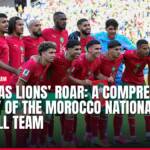
’s FIFA World Cup journey is a captivating saga of passion, resilience, and groundbreaking achievements. From their debut in 1970 to their historic semi-final run in 2022, the Atlas Lions have consistently left their mark on the global stage. This comprehensive exploration delves into every campaign, charting the evolution of a footballing nation and highlighting the moments that define Morocco’s World Cup history.

The story of their presence at the World Cup is one of continuous growth, marked by valiant efforts and moments of genuine brilliance. Each tournament has added a new chapter to their legacy, influencing not only Moroccan football but also inspiring an entire continent. This article will examine each appearance, providing insights into the challenges faced, the triumphs celebrated, and the lasting impact of their participation.

The Dawn of an Era: Morocco’s First Forays into the World Cup

’s entry into the FIFA World Cup marked a significant milestone for both the nation and African football as a whole. Their initial campaigns laid the groundwork for future generations, demonstrating the potential of African teams on the global stage.

Mexico 1970: A Pioneering Effort

The 1970 FIFA World Cup in Mexico holds a special place in Morocco’s World Cup history as it marked their debut. They were the second African nation ever to qualify for the tournament, following Egypt’s appearance in 1934. This qualification was a testament to the growing strength of football in North Africa.

Drawn into Group 4 alongside West , Peru, and Bulgaria, the Atlas Lions faced formidable opposition. Their opening match against West Germany, featuring legends like Franz Beckenbauer and Gerd Müller, saw them take a surprising lead through Houmane Jarir. Although they eventually lost 2-1, their spirited performance earned respect. Subsequent matches saw them fall 3-0 to Peru and secure a 1-1 draw against Bulgaria, with Maouhoub Ghazouani scoring their second tournament goal. Despite finishing bottom of their group, the 1970 squad gained invaluable experience and introduced Moroccan football to the world.

The Long Road Back to the Global Stage

Following their 1970 debut, Morocco endured a period of near misses in World Cup qualification. They consistently competed in African qualifiers but couldn’t secure a spot in subsequent tournaments. This era proved crucial for developing local talent and refining their footballing infrastructure, setting the stage for a triumphant return in the mid-1980s.

Making History: The 1986 Campaign in Mexico

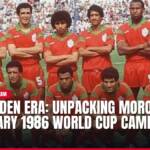
The 1986 FIFA World Cup in Mexico represents a golden chapter in Morocco’s World Cup history. This campaign not only saw them return to the global stage but also achieve an unprecedented feat for African football.

Qualification and Expectations

Morocco’s qualification for Mexico 1986 was hard-fought, showcasing a team with growing confidence and tactical discipline. Under Brazilian coach José Faria, the squad was a blend of experienced players and emerging talents. The team approached the tournament with quiet determination, eager to prove that their 1970 appearance was not a fluke.

Group Stage Triumph and Round of 16

Drawn into Group F, Morocco faced a daunting challenge against European powerhouses , Poland, and . Few expected them to progress. However, the Atlas Lions defied all odds. Their opening match against Poland ended in a goalless draw, hinting at their defensive solidity. They followed this with another impressive 0-0 draw against England, showcasing tactical prowess and disciplined defending against a star-studded side.

The decisive match came against Portugal, who had defeated England earlier. In a stunning display of attacking football, Morocco secured a resounding 3-1 victory with goals from Abderrazak Khairi (2) and Abdelkrim Merry “Krimau”. This historic win propelled them to the top of Group F, making them the first-ever African nation to win a World Cup group and qualify for the knockout stages. The achievement sent shockwaves through the footballing world and ignited pride across Africa. Morocco’s Greatest World Cup Moments often feature this iconic campaign.

In the Round of 16, Morocco faced eventual finalists West . Despite a valiant effort, they succumbed to a late Lothar Matthäus free-kick, losing 1-0. While the defeat marked the end of their run, their 1986 performance cemented their place in World Cup folklore and significantly elevated the profile of African football. Moroccan World Cup Legends like Badou Zaki, Mohammed Timoumi, and Aziz Bouderbala emerged from this memorable squad.

Near Misses and Unlucky Exits: The 1990s Campaigns

The 1990s saw Morocco qualify for two consecutive World Cups, showcasing a consistent presence on the global stage, though fortune often eluded them in crucial moments.

USA 1994: A Resilient Effort

Morocco returned to the World Cup at USA ’94, aiming to replicate their 1986 success. Placed in Group F alongside , Saudi Arabia, and the , they finished bottom of their group after losing all three matches.

Their opening match against Belgium ended in a 1-0 defeat. They then faced Saudi Arabia, suffering a surprising 2-1 loss despite a goal from Mohammed Chaouch. The final group game against the Netherlands was another tight affair, ending 2-1, with Noureddine Naybet scoring for Morocco. While disappointing, the team showed flashes of brilliance and resilience against strong European and Asian opponents.

France 1998: Heartbreak in the Group Stage

’98 is often remembered as one of Morocco’s most heartbreaking campaigns. The team, featuring talented players including Mustapha Hadji, Youssef Chippo, and Salaheddine Bassir, was widely expected to progress from Group A, which included Brazil, Norway, and Scotland.

They started with a promising 2-2 draw against Norway, with goals from Hadji and Hadda. This was followed by a formidable challenge against defending champions Brazil, where they suffered a 3-0 defeat. Heading into the final group game against Scotland, they knew a victory, coupled with a favorable result elsewhere, could see them through.

Morocco delivered a stunning performance, dismantling Scotland 3-0 with goals from Bassir (2) and Hadda. Their fate, however, rested on the other match. Despite Brazil being expected to beat Norway, the Norwegians secured a shock 2-1 victory, meaning Norway advanced alongside Brazil on goal difference. Morocco finished third in the group, level on points with Norway but with an inferior goal difference. It was a cruel exit for a team that played some of the tournament’s most attractive football, making it one of the most memorable Morocco’s Greatest World Cup Moments for its bittersweet ending.

The Long Wait and a Resurgent Return: 2018 Russia

After a 20-year absence from the global showpiece, Morocco finally returned to the FIFA World Cup in 2018, signaling a new era for Moroccan football.

Qualification and High Hopes

The qualification campaign for Russia 2018 was particularly impressive. Under French coach Hervé Renard, Morocco navigated a tough group featuring Ivory Coast, Gabon, and Mali. They secured their spot without conceding a single goal in the final qualification round, a testament to their defensive solidity and tactical discipline. This achievement sparked immense national pride and set high expectations for their Russian campaign.

Group Stage: Performance vs. Results

Drawn into Group B alongside and , two footballing giants, and a resilient Iran, Morocco faced another challenging task. Despite strong performances, results did not always reflect their play.

Their opening match against Iran proved frustrating. Dominating possession and creating numerous chances, they conceded a last-minute own goal to lose 1-0. This unfortunate start put immense pressure on their subsequent matches. Against Portugal, they delivered another spirited display, with Medhi Benatia leading resolute defense. However, an early Cristiano Ronaldo header secured a 1-0 victory for Portugal, effectively ending their hopes of progressing.

In their final group game against Spain, Morocco played for pride and delivered one of the tournament’s most thrilling matches. They twice took the lead through Khalid Boutaïb and Youssef En-Nesyri, showcasing attacking flair. Spain, however, equalized late in stoppage time through Iago Aspas, resulting in a 2-2 draw. While they finished bottom of the group, their performances against two European heavyweights earned widespread admiration for their fighting spirit and attractive style of play. This campaign provided valuable lessons and set the stage for future success, contributing significantly to The Evolution of Morocco’s World Cup Performance.

The Pinnacle of Achievement: Qatar 2022 and the Semi-Final Dream

The 2022 FIFA World Cup in Qatar will forever be etched in Morocco’s World Cup history as their most extraordinary campaign, a journey that captivated the world and made them global darlings.

Unprecedented Qualification and Renewed Hope

Morocco’s qualification for Qatar 2022 was comprehensive, topping their group with a perfect record in the second round and then defeating DR Congo convincingly in the playoffs. Under coach Walid Regragui, who took over just months before the tournament, the team built strong unity and belief. The squad, blending European-based professionals with local talents, arrived in Qatar with quiet confidence.

Group Stage Dominance

Drawn into Group F alongside , Croatia, and Canada, Morocco was once again considered an underdog. They started with a solid 0-0 draw against Croatia, the 2018 finalists, demonstrating defensive organization. What followed was a stunning 2-0 victory over second-ranked Belgium, with goals from Romain Saïss and Zakaria Aboukhlal, signaling their intent. In their final group match, they secured a comfortable 2-1 win against Canada, with Hakim Ziyech and Youssef En-Nesyri scoring, topping their group unbeaten. This marked only the second time in Morocco’s World Cup history that they won their group, and the first since 1986.

Knockout Rounds and the Semi-Final Berth

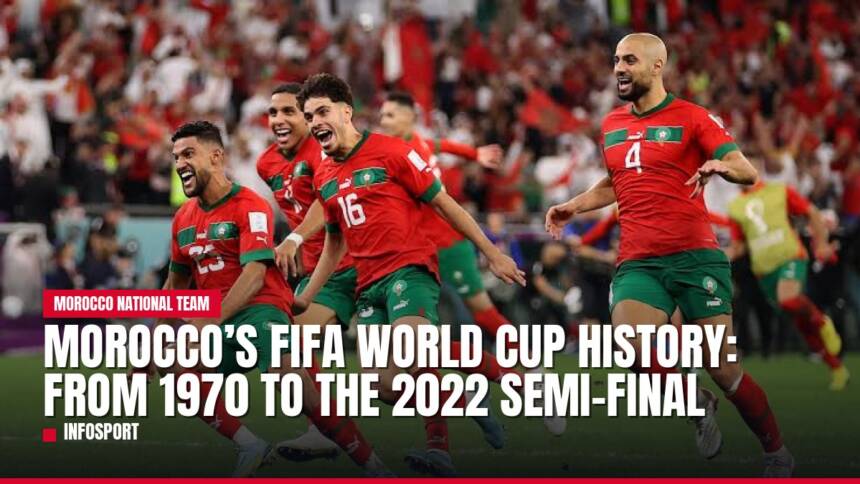
The knockout stages saw Morocco embark on an unprecedented run that defied expectations. In the Round of 16, they faced , a team they had drawn with in 2018. After a tense 0-0 draw, Morocco triumphed 3-0 in a penalty shootout, with goalkeeper Yassine Bounou emerging as the hero by saving two penalties. This victory made Morocco the fourth African nation to reach the quarter-finals.

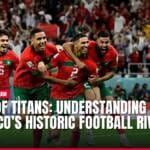
Their quarter-final clash was against Portugal, featuring Cristiano Ronaldo. In another masterclass of tactical discipline and clinical finishing, Youssef En-Nesyri’s header secured a historic 1-0 victory. This win propelled Morocco into the semi-finals, making them the first-ever African and Arab nation to reach this stage of the FIFA World Cup. The world watched in awe as the Atlas Lions carved their names into history. This incredible journey is thoroughly analyzed in The Atlas Lions’ Historic Run: Morocco’s 2022 World Cup Performance Analysis.

A Legacy Forged

In the semi-finals, Morocco faced reigning champions . Despite a valiant effort and creating several chances, they ultimately fell to a 2-0 defeat. They then faced Croatia in the third-place play-off, losing 2-1. While they finished fourth, their performance in Qatar was legendary. The team’s resilience, tactical acumen, and unwavering support from their fans captivated audiences worldwide. This campaign redefined Morocco’s World Cup history and left an indelible mark on global football, inspiring millions and setting new benchmarks for African teams. It was a true Morocco’s Greatest World Cup Moments, filled with upsets and milestones.

The Evolution of Morocco’s World Cup Journey

Reflecting on Morocco’s World Cup history reveals a clear trajectory of growth, adaptation, and increasing influence on the global footballing landscape. From early participation to becoming a semi-finalist, their journey demonstrates perseverance and continuous improvement.

Tactical Adaptations and Player Development

Over the decades, Morocco’s approach to the World Cup has evolved significantly. Early teams relied on raw talent and spirited play, while later squads showcased sophisticated tactical setups and disciplined defending, often combined with individual brilliance. The 1986 team was renowned for defensive solidity and counter-attacking prowess. Under Regragui, the 2022 squad perfected a resilient defensive block combined with quick transitions and effective wing play, proving that Tactical Masterclasses and Coaching Strategies are vital for success.

The development of Moroccan players, many of whom have honed their skills in top European leagues, has been crucial. This exposure to elite football has raised the overall quality and professionalism of the national team. The blend of local talent and diaspora players has created a unique and powerful synergy.

Impact on Moroccan Football and Beyond

Each World Cup campaign has profoundly impacted Moroccan football, inspiring new generations of players and fans alike. The success of 1986 cemented football’s place as the national sport, while the 2022 run sparked unprecedented interest and investment. Beyond the pitch, this success has fostered national unity and projected a positive global image of Morocco. The impact is explored further in Beyond the Pitch: How World Cup Success Transformed Moroccan Football.

Their achievements have also had continental significance, breaking barriers for African football and demonstrating what can be achieved with belief, organization, and talent. This journey is a source of immense pride and motivation for other African nations pursuing World Cup glory. For a detailed statistical overview, refer to Morocco by the Numbers: A Statistical Breakdown of Their World Cup Performances.

Conclusion

Morocco’s complete FIFA World Cup history is a rich tapestry woven with pioneering spirit, historic triumphs, heartbreaking near misses, and ultimately, unparalleled success. From their debut in 1970 to their groundbreaking semi-final appearance in 2022, the Atlas Lions have consistently defied expectations, leaving an indelible mark on the tournament. Their journey reflects the growth and evolution of African football, showcasing resilience, tactical acumen, and unwavering passion for the beautiful game.

Each campaign reveals a nation that has learned, adapted, and continuously strived for greatness. As Morocco looks ahead, their World Cup history serves as a powerful source of inspiration, promising more thrilling chapters and continued success on the global stage. The legacy of their past performances will undoubtedly fuel their ambitions for years to come, further enriching Morocco’s World Cup history.

FAQ About Morocco’s World Cup History

How many times has Morocco participated in the FIFA World Cup?

Morocco has participated in the FIFA World Cup six times: in 1970, 1986, 1994, 1998, 2018, and 2022. Each appearance adds a significant chapter to their World Cup legacy.

What is Morocco’s best performance in the World Cup?

Morocco’s best performance came in 2022, when they reached the semi-finals. This historic run made them the first African and Arab nation to achieve this feat, marking a significant milestone in their World Cup journey.

When did Morocco first qualify for the World Cup?

Morocco first qualified for the FIFA World Cup in 1970, held in Mexico. They were the second African nation ever to participate in the tournament, establishing an early presence on football’s global stage.

Which Moroccan player has scored the most goals in World Cup history?

Salaheddine Bassir and Abdeljalil Hadda (Kama) are among Morocco’s top scorers in World Cup history, each with two goals. Youssef En-Nesyri also has two goals, scoring one in 2018 and one in 2022.

Did Morocco ever win their group in a World Cup?

Yes, Morocco has won their group twice. They famously topped Group F in 1986, becoming the first African nation to do so. They repeated this achievement in 2022, finishing ahead of Croatia and Belgium in Group F.

Share This Article
Leave a Comment

Leave a Reply

Your email address will not be published. Required fields are marked *