
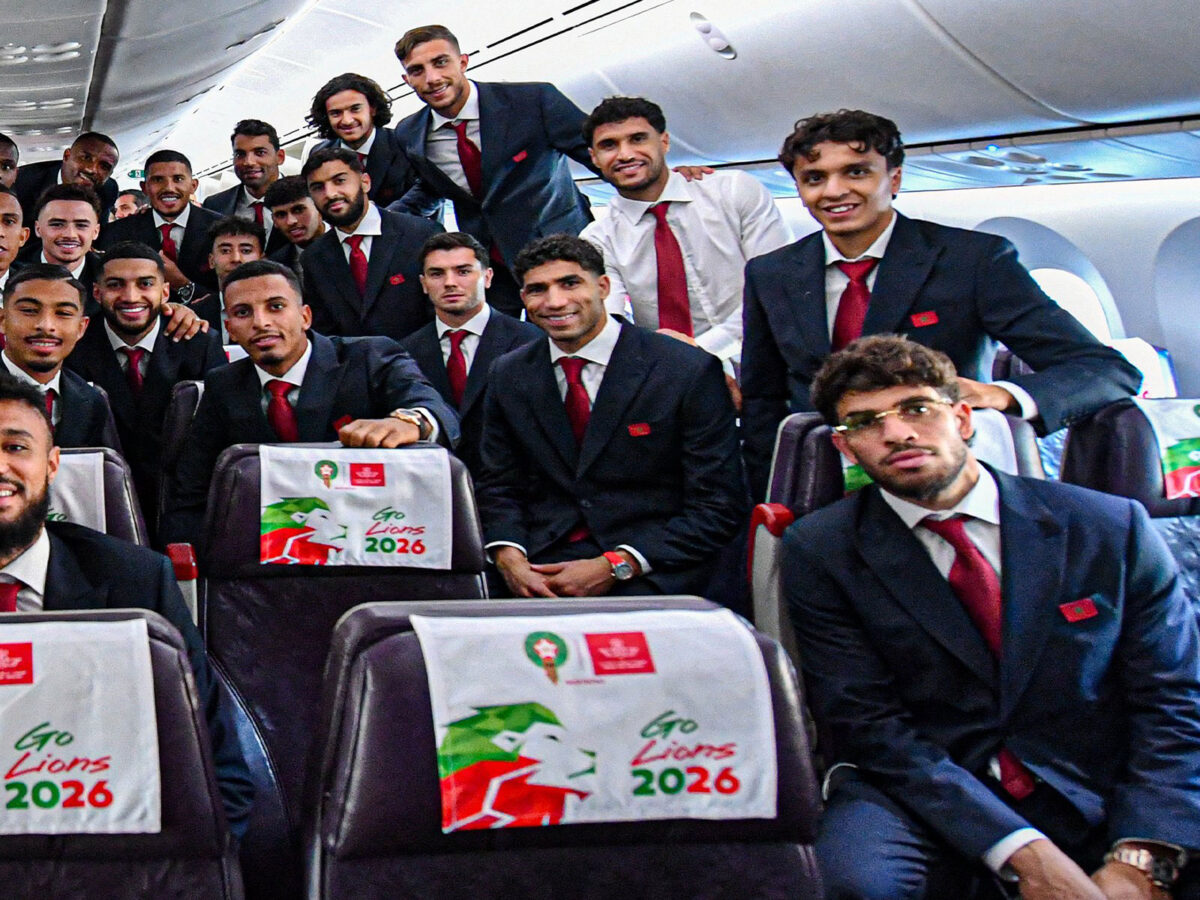
Morocco’s participation in the FIFA World Cup tournaments reflects a trajectory marked by ambition, resilience, and significant achievements. From their early appearances on the global stage to their historic semi-final run, the evolution of Morocco’s World Cup performance demonstrates substantial progress. This analysis examines the Atlas Lions’ campaigns, focusing on key matches, tactical strategies, and their lasting impact on football history. A comprehensive understanding of Morocco’s World Cup performance necessitates a tournament-by-tournament exploration, emphasizing defining moments that shaped their legacy and contributed to future successes.
The national team has consistently aimed to represent African football at the highest level, frequently overcoming substantial challenges to compete with the world’s elite teams. Morocco’s history is characterized by continuous development, encompassing both periods of adversity and moments of notable achievement that have attracted global attention.
Early Campaigns: Laying the Foundation for Future Glory
Morocco’s initial appearances at the FIFA World Cup were instrumental in establishing their presence in international football. Although these early campaigns did not result in significant tournament progression, they provided essential experience and highlighted emerging talent within Moroccan football.
Morocco’s Debut: Mexico 1970
The year 1970 marked a monumental occasion for Moroccan football as the national team qualified for the FIFA World Cup for the first time. Held in Mexico, this tournament was a significant milestone, making Morocco only the second African nation to ever participate in the World Cup finals. Their qualification was a testament to the growing strength of African football, signalling a new era of representation on the global stage.
Placed in Group 4 with West Germany, Peru, and Bulgaria, Morocco faced strong opposition. In their opening match against West Germany, which included prominent players such as Franz Beckenbauer and Gerd Müller, Morocco initially led through a goal by Houmane Jarir but ultimately lost 2-1. Subsequent matches resulted in a 3-0 defeat to Peru and a 1-1 draw with Bulgaria, leading to a group-stage exit. Despite these results, the experience gained and the team’s performance against established football nations contributed to the foundation for future development in Moroccan football.
Return to the World Stage: Mexico 1986
Sixteen years after their debut, Morocco returned to Mexico for the 1986 FIFA World Cup, ready to make a more significant impact. This campaign would prove to be truly historic, etching Morocco’s name into the annals of African football. Under the guidance of Brazilian coach José Faria, the team adopted a disciplined yet fluid style of play.
Morocco was placed in Group F, alongside European giants England, Poland, and Portugal. Few expected them to progress. Their opening match against Poland ended in a goalless draw, a promising start. This was followed by another impressive 0-0 draw against England, a result that stunned many and showcased Morocco’s defensive solidity and tactical acumen. The stage was set for a dramatic final group match against Portugal.
Morocco defeated Portugal 3-1, with goals from Abderrazak Khairi (twice) and Abdelkrim Merry “Krimau.” This victory secured Morocco’s position at the top of Group F, making them the first African nation to win a World Cup group and advance to the knockout stages. This achievement is recognized as a pivotal moment in Morocco’s FIFA World Cup history.
Their journey continued into the Round of 16, where they faced West Germany. Despite a valiant effort, Morocco succumbed to a late Lothar Matthäus free-kick, losing 1-0. While the defeat marked their exit, the 1986 campaign remains a source of immense pride, demonstrating Morocco’s capability to compete and excel against the world’s best.
The 1990s and Early 2000s: Near Misses and Unfulfilled Potential
The 1990s saw Morocco establish itself as a regular contender for World Cup qualification, participating in two consecutive tournaments. These campaigns were characterised by strong performances and moments of brilliance, often accompanied by the heartbreak of near misses.
USA 1994: A Tough Draw
Morocco qualified for the 1994 FIFA World Cup in the USA, marking their third appearance at the global showpiece. Hopes were high, but the draw placed them in an incredibly challenging Group F alongside Belgium, Saudi Arabia, and the Netherlands. This group was widely considered one of the toughest in the tournament.
The Atlas Lions, led by coach Abdellah Blinda, fought valiantly but ultimately fell short. They lost all three of their group matches: 1-0 to Belgium, 2-1 to Saudi Arabia (with Mohammed Chaouch scoring Morocco’s only goal), and 2-1 to the Netherlands. Despite the results, Morocco displayed flashes of their attacking prowess and competitive spirit. The experience, though disappointing in terms of points, further solidified their presence on the international stage and contributed to their complete FIFA World Cup history.
France 1998: Heartbreak in Marseille
Moroccan fans remember the 1998 FIFA World Cup in France with a mixture of pride and profound disappointment. Morocco arrived in France with a strong squad, featuring talented players like Mustapha Hadji, Noureddine Naybet, and Salaheddine Bassir, many of whom would become Moroccan World Cup legends. They were drawn into Group A alongside Brazil, Norway, and Scotland.
Their campaign began with a 2-2 draw against Norway, a match where Morocco twice took the lead through Hadji and Bassir, only to be pegged back. This was followed by a formidable challenge against defending champions Brazil, which they lost 3-0. Despite the defeat, the team remained confident that they could progress if they secured a decisive win in their final group match.
In the decisive match against Scotland, Morocco delivered a commanding 3-0 victory with goals from Bassir (twice) and Hadda. This result, combined with their earlier draw, positioned them well for qualification. However, their advancement depended on the outcome of the Brazil versus Norway match. Norway’s late 2-1 victory over Brazil resulted in Morocco missing qualification on goal difference. This outcome is often cited as a significant turning point in Moroccan football history, illustrating both the team’s potential and the unpredictable nature of tournament competition.
A Period of Absence and Rebuilding
Following the heartbreak of 1998, Moroccan football entered a challenging period marked by a significant absence from the FIFA World Cup. The nation failed to qualify for four consecutive tournaments: 2002, 2006, 2010, and 2014.
This era was characterised by various factors, including inconsistent coaching, difficulties in integrating a new generation of players, and fierce competition in African qualifying. While Moroccan clubs continued to perform well in continental competitions, the national team struggled to replicate the consistency and cohesion required to navigate the demanding World Cup qualification process.
Despite these setbacks, this period was characterized by introspection and rebuilding. Investments were directed toward youth academies, improved scouting of diaspora talent, and strengthening the domestic league. Although these initiatives did not result in immediate World Cup qualification, they were essential for the long-term development of Moroccan football and contributed to subsequent improvements in World Cup performance.
The Resurgence: Russia 2018
After two decades, Morocco finally broke their World Cup qualification drought, securing a spot at the 2018 FIFA World Cup in Russia. This return marked a significant moment for the nation, signalling a resurgence in its footballing fortunes.
Return to the Global Stage
Under the astute leadership of coach Hervé Renard, Morocco navigated a challenging qualification campaign, famously beating the Ivory Coast in a decisive final group match. The team showcased a blend of defensive solidity, tactical discipline, and individual flair, qualities that would define their performance in Russia. Their complete FIFA World Cup history now includes a new chapter of resilience.
Drawn into a formidable Group B alongside European champions Portugal, 2010 World Cup winners Spain, and Iran, Morocco faced another tough test. Their opening match against Iran ended in a disappointing 1-0 defeat, conceded in the dying minutes of injury time through an own goal. Despite dominating possession and creating numerous chances, they failed to convert their opportunities, a recurring theme in their World Cup performance.
The second match saw Morocco face Portugal, led by Cristiano Ronaldo. Despite another spirited performance and several chances, they lost 1-0 again, with Ronaldo scoring the decisive goal. The Atlas Lions were praised for their tactical organisation and defensive resilience, but their inability to find the back of the net proved costly. Tactical Masterclasses and Coaching Strategies: Morocco’s World Cup approaches were evident but lacked the final clinical touch.
In their final group match against Spain, Morocco took the lead twice through Khalid Boutaïb and Youssef En-Nesyri. The match concluded with a 2-2 draw after a late equalizer from Spain. Although Morocco exited the tournament at the group stage without a win, their performances were widely regarded as commendable and contributed to the foundation for future achievements.
The Historic Breakthrough: Qatar 2022
The 2022 FIFA World Cup in Qatar represents a significant milestone in both Moroccan and African football history. During this campaign, the Atlas Lions achieved an unprecedented level of success, gaining international recognition.
Unprecedented Success
Morocco qualified for the 2022 World Cup under coach Vahid Halilhodžić, but a change in leadership saw Walid Regragui take the helm just months before the tournament. Regragui, a former Moroccan international, quickly instilled a strong sense of unity, belief, and tactical discipline within the squad. His arrival proved to be a masterstroke, setting the stage for an extraordinary run that would redefine Morocco’s World Cup performance.
Group Stage Dominance
Drawn into Group F alongside 2018 finalists Croatia, second-ranked Belgium, and Canada, Morocco was once again considered an underdog. However, the team’s performances quickly defied expectations.
- Morocco 0-0 Croatia: Their opening match against a strong Croatian side, featuring Luka Modrić, ended in a hard-fought goalless draw. Morocco displayed tactical discipline, frustrating their opponents and showing their defensive prowess. This solid start provided a crucial confidence boost.
- Belgium 0-2 Morocco: In a stunning upset, Morocco defeated Belgium, one of the tournament’s favourites. Goals from Romain Saïss and Zakaria Aboukhlal secured a famous victory that ignited celebrations across Morocco and the Arab world. This match showcased Morocco’s ability to absorb pressure and strike effectively on the counter.
- Canada 1-2 Morocco: Needing a result to guarantee progression, Morocco delivered. Goals from Hakim Ziyech and Youssef En-Nesyri ensured a 2-1 victory over Canada. This win secured Morocco’s position at the top of Group F, making them the first Arab nation and only the second African nation (after Nigeria in 1998) to win a World Cup group. This marked a significant milestone in their historic run.
Knockout Stage Triumphs
Morocco’s journey through the knockout stages was a captivating display of grit, determination, and tactical brilliance, further elevating their evolution in the World Cup.
- Round of 16: Morocco 0-0 Spain (3-0 penalties): Facing Spain, a team renowned for its possession-based football, Morocco executed a defensive masterclass. They absorbed immense pressure, limiting Spain’s clear-cut chances, and held them to a 0-0 draw after extra time. The match went to penalties, where goalkeeper Yassine Bounou emerged as the hero, saving two Spanish spot-kicks. Achraf Hakimi coolly chipped in the winning penalty, sending Morocco into the quarter-finals for the first time in their history. This was a true moment of glory.
- Quarter-finals: Morocco 1-0 Portugal: The fairy tale continued against Portugal, another European powerhouse featuring Cristiano Ronaldo. Despite key injuries, Morocco delivered another heroic performance. Youssef En-Nesyri’s towering header just before halftime secured a famous 1-0 victory. Morocco became the first African and Arab nation to reach the semi-finals of the FIFA World Cup, shattering expectations and inspiring millions. This victory cemented the status of many players as Moroccan World Cup legends.
- Semi-finals: France 0-2 Morocco: In the semi-finals, Morocco faced reigning champions France. Despite a brave and spirited effort, injuries and fatigue began to take their toll. Theo Hernandez scored an early goal for France, and Randal Kolo Muani added a second late in the game, ending Morocco’s incredible run with a 2-0 defeat.
- Third-place Play-off: Croatia 2-1 Morocco: In the third-place play-off, Morocco again faced Croatia. Despite taking the lead through Achraf Dari, they ultimately lost 2-1 and finished fourth in the tournament.
Morocco’s semifinal run in Qatar 2022 was an unprecedented achievement for both the nation and for African and Arab football. This accomplishment highlighted the team’s unity, effective tactical strategies under Walid Regragui, and collective determination. The Atlas Lions’ performance contributed to a shift in global perceptions of African football.
Key Factors in Morocco’s World Cup Performance
The trajectory of Morocco’s World Cup performance is the result of several interconnected factors, ranging from strategic coaching to the players’ inherent spirit.
Coaching and Tactical Evolution
The role of coaching has been paramount in shaping Morocco’s World Cup identity. From José Faria’s groundbreaking tactical approach in 1986, which prioritised defensive solidity and counter-attacking prowess, to Hervé Renard’s disciplined structure in 2018, each coach has left their mark. However, Walid Regragui’s tenure in 2022 stands out. He masterfully blended defensive resilience with intelligent possession and quick transitions, adapting his strategies to neutralise stronger opponents while maximising his team’s strengths. His ability to foster a strong collective spirit and belief was as crucial as any tactical blueprint. Tactical Masterclasses and Coaching Strategies: Morocco’s World Cup approaches have been a cornerstone of their success.
Player Development and Talent Pool
Morocco has consistently produced talented footballers, but the development and integration of these players have evolved significantly. Over the decades, players like Abdelmajid Dolmy and Mohammed Timoumi (1986); Mustapha Hadji and Noureddine Naybet (1998); and more recently, Achraf Hakimi, Hakim Ziyech, and Yassine Bounou have showcased world-class ability. A crucial factor has been the successful integration of diaspora players, many of whom were born and raised in Europe but chose to represent their ancestral homeland. This rich talent pool, combining players from both domestic leagues and top European clubs, has provided the national team with depth, skill, and experience. Moroccan World Cup legends have emerged from various backgrounds, enriching the squad.
Team Spirit and National Identity
A significant factor in Morocco’s World Cup performance has been the team’s strong sense of unity and connection to national identity. The Atlas Lions have consistently demonstrated collective commitment, representing both their nation and, in 2022, the broader African and Arab regions. The cohesion within the squad, supported by enthusiastic fans domestically and internationally, has contributed to their ability to overcome challenges and perform at a high level, fostering national pride and unity.
Statistical Overview of Morocco’s World Cup Journeys
A statistical breakdown offers a clear picture of Morocco’s World Cup performance across its various campaigns. Over six appearances (1970, 1986, 1994, 1998, 2018, 2022), the Atlas Lions have accumulated a significant record.
In total, Morocco has played 23 matches at the FIFA World Cup. Their record stands at 6 wins, 7 draws, and 10 losses. They have scored 20 goals and conceded 31. The 2022 campaign significantly boosted their win and draw tallies, accounting for 3 of their 6 wins and 3 of their 7 draws. Their best finish, of course, was fourth place in 2022.
Key statistical milestones include Morocco becoming the first African team to win a group in 1986 and the first African and Arab team to reach the semi-finals in 2022. In 2022, Morocco conceded only 5 goals across 7 matches, with 3 goals allowed in the semi-final and third-place playoff, indicating a marked improvement in defensive performance. For further analysis, see Morocco by the Numbers: A Statistical Breakdown of Their World Cup Performances and A Visual Journey: The Evolution of Morocco’s World Cup Jerseys and Iconic Kits.
The Enduring Legacy and Future Outlook
The impact of Morocco’s World Cup performance, particularly the historic run in 2022, extends far beyond the football pitch, creating an enduring legacy and shaping the future of Moroccan football.
Impact on Moroccan Football
The 2022 World Cup success has significantly influenced Moroccan football, generating increased national pride and enthusiasm for the sport. This has resulted in greater grassroots participation and a renewed emphasis on youth development. The Royal Moroccan Football Federation (FRMF) has committed to further investments in infrastructure, coaching education, and talent identification, building on the foundation established by the Mohammed VI Football Academy. The heightened international profile of Moroccan players may also lead to more opportunities in top European leagues. This achievement provides a model for sustainable growth in Moroccan football.
Inspiring a Continent
Morocco’s advancement to the semi-finals represented a significant achievement for both the nation and the broader African and Arab regions. This accomplishment challenged prevailing perceptions regarding the capabilities of African teams in international football, demonstrating that strategic investment and effective planning can enable African nations to compete with established football powers. The achievement has served as an inspiration for a new generation of African footballers and sports administrators, encouraging other nations to pursue higher standards and invest strategically in their football development.
Looking Ahead
The outlook for Moroccan football is promising. With a strong squad, established coaching strategies, and increased confidence, the Atlas Lions are positioned to remain competitive in international football. Expectations for future tournaments are elevated, and the experience gained in Qatar provides a valuable foundation. Continued emphasis will be placed on consistent qualification for major tournaments, youth development, and further enhancement of tactical and mental strengths demonstrated in 2022. Morocco’s World Cup performance has raised their international profile, attracting global attention to their future progress.
Conclusion
Morocco’s FIFA World Cup campaigns and performance illustrate a trajectory of growth, perseverance, and achievement. From their initial participation in 1970 to their semi-final appearance in 2022, the Atlas Lions have consistently advanced their competitive standing and challenged expectations. Each tournament has contributed to their history, which is characterised by tactical development and collective determination. The journey highlights both the talent present in Moroccan football and the influence of national identity. Looking ahead, Morocco’s achievements have established a significant chapter in World Cup history and contributed to the elevated international status of African football.
FAQ: Morocco’s World Cup Performance
What is Morocco’s best-ever FIFA World Cup performance?
Morocco’s best-ever FIFA World Cup performance came in 2022, when they reached the semifinals, becoming the first African and Arab nation to do so. They ultimately finished in fourth place.
How many times has Morocco qualified for the FIFA World Cup?
Morocco has qualified for the FIFA World Cup six times: in 1970, 1986, 1994, 1998, 2018, and 2022.
Which Moroccan players are considered legends from their World Cup campaigns?
Several players are considered Moroccan World Cup legends. Key figures include Abdelmajid Dolmy and Mohammed Timoumi from the 1986 squad, Mustapha Hadji and Noureddine Naybet from the 1990s, and more recently, Achraf Hakimi, Hakim Ziyech, Yassine Bounou, and Romain Saïss from the 2022 team. For more details, see Moroccan World Cup Legends: Top Players Who Shone on the Global Stage.
What was significant about Morocco’s 1986 World Cup performance?
In the 1986 World Cup, Morocco became the first African nation to win its group and advance to the knockout stages (Round of 16), topping a group that included England, Poland, and Portugal.
How did Walid Regragui impact Morocco’s 2022 World Cup performance?
Walid Regragui, who took over as coach just months before the 2022 World Cup, significantly impacted Morocco’s performance by instilling a strong collective spirit, tactical discipline, and a belief in the team’s ability to compete with top nations. His flexible coaching strategies allowed the team to adapt and excel against diverse opponents. More can be found in Tactical Masterclasses and Coaching Strategies: Morocco’s World Cup Approaches.