

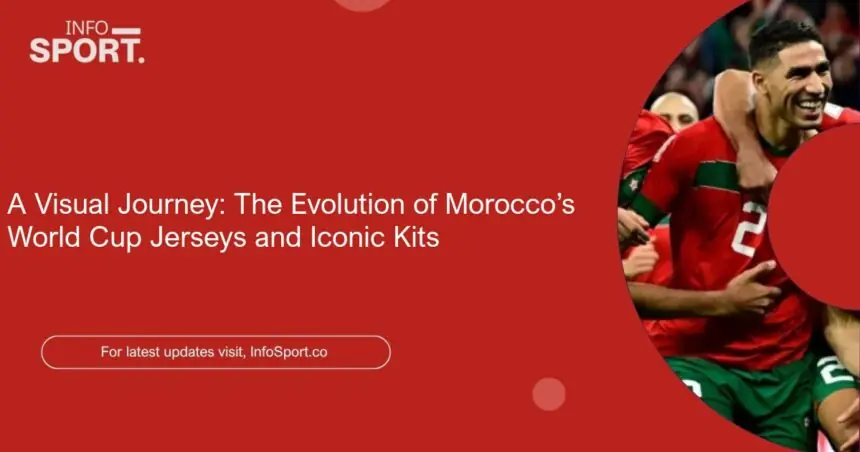
The roar of the crowd, the thrill of the game, and the unifying spirit of a nation converge not just in the play on the field, but also in the very fabric worn by its heroes: the football jersey. For Morocco, their FIFA World Cup journey has been a tapestry woven with moments of brilliance, resilience, and unforgettable style. This article explores the fascinating evolution of Morocco’s World Cup kits, examining their designs, cultural significance, and enduring appeal. From classic simplicity to modern innovation, each jersey tells a story of the nation’s identity on the global stage. For fans and collectors alike, these pieces are more than just sportswear; they are history, symbols of national pride, and highly sought-after memorabilia.
Early Campaigns: Classic Aesthetics and Enduring Simplicity
Morocco’s initial World Cup appearances featured jerseys that embodied the classic football aesthetic: clean lines, bold national colors, and functional design. These early kits laid the foundation for the visual identity that would become synonymous with the Atlas Lions.
1970: Mexico’s Debut and Timeless Red
Morocco made its historic World Cup debut in Mexico in 1970, becoming the first African nation to qualify for the tournament since Egypt in 1934. The The Dawn of an Era: Morocco’s Debut and Early World Cup Campaigns saw the Atlas Lions don a remarkably simple yet striking kit. The home jersey was predominantly red, a color deeply embedded in the Moroccan flag and culture, symbolizing bravery and strength. It featured a green V-neck collar and green cuffs, providing subtle contrast. The away kit, less frequently seen, was typically white with similar green accents. These jerseys, often produced by local manufacturers or generic brands, were free from elaborate patterns or sponsor logos, representing a pure form of football attire. Their enduring simplicity makes them timeless pieces in football history.
1986: The Atlas Lions Roar in Green and Red
After a 16-year absence, Morocco returned to the World Cup stage in Mexico ’86, once again making history by becoming the first African team to reach the second round. The 1986 kits, supplied by Adidas, maintained the national colors while introducing a more defined athletic silhouette. The home kit was a vibrant red, often featuring white or green trim along the sleeves and collar. The Adidas three-stripe motif was subtly incorporated. The away kit was white, mirroring the design with red or green accents. These kits were worn by legends like Badou Zaki and Mohammed Timoumi, who helped forge Morocco’s Greatest World Cup Moments: Upsets, Milestones, and Unforgettable Matches. The 1986 designs are remembered fondly for their association with a groundbreaking performance.
1994: USA ’94 and a Touch of Modernity
The 1994 World Cup in the USA saw Morocco compete in a tournament known for its vibrant colors and experimental kit designs. While Morocco’s campaign ended in the group stage, their jerseys continued to evolve. Supplied by Adidas, the 1994 kits were still predominantly red for home and white for away, but featured slightly more dynamic elements. Collar designs became more prominent, sometimes incorporating subtle geometric patterns or contrasting colors. The Adidas logo and stripes were more visible, reflecting the growing commercialization of football kits. These jerseys represent a period of transition, blending classic Moroccan identity with emerging 1990s sportswear trends.
Late 20th Century: Embracing New Designs
As football kits grew more sophisticated, Morocco’s World Cup jerseys began incorporating distinctive features, moving beyond simplicity to embrace unique design elements that captured the spirit of the era.
1998: France ’98 and the Rise of Distinctive Patterns
Morocco’s participation in France ’98 marked their fourth World Cup appearance. The jerseys from Adidas represented a significant departure from previous, more minimalist designs. The home kit was a rich red with subtle patterns or textures integrated into the fabric, adding depth and visual interest. Collars and sleeve cuffs became more elaborate, sometimes with intricate detailing or bold color blocking. The away kit typically reversed these colors, maintaining visual coherence. Despite a strong performance, the squad narrowly missed advancing from a tough group, adding to the Morocco’s Complete FIFA World Cup History: Every Campaign Explored.
The New Millennium: A Blend of Tradition and Innovation
After a long absence, Morocco returned to the World Cup stage with jerseys that reflected a modern approach while remaining true to their heritage. These kits resonated with a new generation of fans and became symbols of renewed hope.
More Read

2018: Russia’s Return and a Nod to Heritage
After 20 years, Morocco qualified for the 2018 World Cup in Russia. Supplied by Adidas, the kits were met with anticipation. The home jersey was a vibrant red, featuring a subtle geometric pattern reminiscent of traditional Moroccan mosaics and architecture. This intricate detail added cultural depth to the design. The collar was a simple crew neck, and the Adidas three stripes ran down the sides in white. The away kit was white, mirroring the design with red accents. These kits merged modern sportswear technology with proud national identity. They were worn by players like Medhi Benatia and Hakim Ziyech, contributing to the visual narrative of From Group Stage Exits to Semi-Finalists: The Evolution of Morocco’s World Cup Performance.
The Iconic 2022 World Cup Kits: Global Recognition and Cultural Resonance
The 2022 FIFA World Cup in Qatar proved a watershed moment for Moroccan football. The Atlas Lions captivated the world with their historic semi-final run, and their jerseys became instantly recognizable symbols of achievement. These kits gained unprecedented global visibility and commercial appeal.
Home Kit: The Enduring Red
For the 2022 tournament, Puma took over as kit manufacturer, delivering designs that balanced tradition with contemporary style. The home kit was a striking red, most distinctively featuring a green horizontal band across the chest, framing the Puma logo and the Royal Moroccan Football Federation (FRMF) crest. This design element clearly referenced the national flag, making national identity unmistakable. The collar was a simple green crew neck, with subtle green details adorning the cuffs. This bold, clean design quickly became a fan favorite, synonymous with the team’s exceptional performances, including their The Atlas Lions’ Historic Run: Morocco’s 2022 World Cup Performance Analysis.
Away Kit: The Elegant White
The away kit offered a sophisticated contrast, predominantly white with a similar green horizontal band across the chest for design consistency. This band helped distinguish it from other white kits in the tournament. Red accents were used for the collar and cuffs, completing the national color palette. Both home and away kits were designed with Puma’s advanced performance technology, ensuring comfort and optimal playability under demanding World Cup conditions. These designs were worn by Moroccan World Cup Legends: Top Players Who Shined on the Global Stage, solidifying their place in football lore.
Goalkeeper Kits: Functionality Meets Style
The goalkeeper kits also received significant attention, particularly as Yassine Bounou, known as ‘Bono,’ became a national hero with his penalty shootout heroics. These kits came in various colors—vibrant green, yellow, and blue—providing distinct looks for the shot-stoppers. While maintaining Puma’s design language, they prioritized functionality, offering flexibility and visibility on the pitch. The goalkeeper designs became popular among fans, especially those celebrating Bono’s incredible saves.
The Cultural Impact of the 2022 Kits
The 2022 jerseys transcended sportswear, becoming powerful symbols of national pride, unity, and hope. As the Atlas Lions progressed further than any African or Arab nation in World Cup history, these kits were seen everywhere—from the streets of Rabat to fan zones across the globe. Their vibrant colors and distinctive design became synonymous with the team’s inspiring journey, making them highly desirable for supporters and collectors seeking to own a piece of that historic moment. The commercial demand surged, reflecting their immense cultural resonance.

Manufacturers and Design Philosophy Behind Morocco World Cup Jerseys
The look and feel of Morocco’s World Cup kits have been shaped by partnerships with major sportswear brands, each bringing their own design philosophies and technological innovations.
Adidas: A Long-Standing Partnership
Adidas has been a prominent partner for the Royal Moroccan Football Federation (FRMF) across many World Cup campaigns. Their designs emphasize classic aesthetics combined with performance technology. Adidas kits for Morocco typically feature clean lines, the iconic three stripes, and strong adherence to the national colors of red and green. Their collaboration has produced some of the most memorable designs, particularly from the 1986, 1994, and 2018 tournaments, each reflecting evolving trends in football kit design while maintaining distinct Moroccan identity.
Puma: Brief Stints and Unique Contributions
Puma has also partnered with the FRMF, most notably for the highly successful 2022 World Cup campaign. Puma’s approach often involves bold graphics and modern interpretations of national symbols. The 2022 designs, with their distinctive chest band, showcased the brand’s ability to create kits that are both visually striking and deeply rooted in cultural symbolism. This fresh perspective contributed significantly to the team’s global appeal during their historic run. The blend of Tactical Masterclasses and Coaching Strategies: Morocco’s World Cup Approaches with compelling kit design proved a powerful combination.
Design Elements: Integrating Moroccan Heritage
A consistent theme across all Morocco World Cup jerseys, regardless of manufacturer, is the integration of national heritage. The dominant use of red and green, derived directly from the national flag, is paramount. Beyond colors, designers draw inspiration from Moroccan art, architecture, and cultural motifs. Subtle patterns resembling zellige tilework, geometric designs, or references to the Atlas Mountains have appeared in various iterations. These elements ensure that each jersey is not just sportswear, but a wearable representation of Morocco’s rich culture and identity. This thoughtful integration enhances commercial appeal, attracting a global audience interested in unique cultural expressions.
The Commercial Appeal and Collectibility of Morocco World Cup Jerseys
Beyond their role on the pitch, Morocco World Cup jerseys hold significant commercial value and are highly sought after by fans and collectors, especially following recent team successes.
Fan Engagement and Merchandise Sales
The Atlas Lions’ incredible 2022 World Cup performance led to unprecedented demand for these kits. Fans worldwide, captivated by the team’s spirit and skill, eagerly purchased them to show support. This commercial success highlights football’s power in driving merchandise sales and fostering community among supporters. The jerseys became a tangible link to the team’s journey and a way to celebrate their heroes. This surge in popularity has had a lasting Beyond the Pitch: How World Cup Success Transformed Moroccan Football, both on and off the field.
Vintage Kits: A Collector’s Dream
Older vintage Morocco World Cup jerseys are highly prized by collectors. Kits from the 1970s and 1980s, especially those associated with iconic players or historic moments, can fetch significant prices on the secondary market. The simplicity of the 1970 design, the groundbreaking 1986 jersey, and the more intricate 1998 versions all hold special places in collectors’ hearts. The rarity of these older kits, combined with their historical significance, makes them valuable investments for enthusiasts seeking to own a piece of Moroccan football heritage. The appeal extends beyond aesthetics, encompassing the stories and Morocco by the Numbers: A Statistical Breakdown of Their World Cup Performances they represent.
The Future of Morocco World Cup Jersey Design
As Moroccan football continues to evolve and gain international recognition, future World Cup kits will undoubtedly reflect this growth. Expect continued innovation in materials and technology, ensuring optimal player performance. Culturally, designers will likely continue drawing inspiration from Morocco’s rich heritage, finding creative ways to incorporate traditional motifs and symbols into modern designs. The commercial success of recent kits will probably encourage manufacturers to produce more diverse ranges, including replica jerseys, training wear, and fan apparel, catering to a broad global audience. The future promises exciting new chapters in the visual story of Morocco’s presence on the world stage.
Conclusion
The evolution of Morocco’s World Cup jerseys is a visual narrative of the nation’s footballing history. From the humble beginnings of 1970 to the globally recognized icons of 2022, each kit has been more than a uniform; it has been a canvas reflecting national pride, cultural heritage, and the aspirations of a team and its people. Whether classic or contemporary, these designs continue to captivate fans and collectors, serving as enduring symbols of the Atlas Lions’ spirit and their indelible mark on football. As Morocco builds on its successes, the world eagerly anticipates the next chapter in this design story, forever linking these iconic kits to Morocco’s FIFA World Cup Campaigns and Performance.
FAQ: Morocco World Cup Jerseys
What are the primary colors used in Morocco’s World Cup jerseys?
The primary colors for Morocco’s World Cup jerseys are red and green, directly inspired by the national flag. Red typically serves as the dominant color for the home kit, symbolizing bravery and strength, while green is used for accents, collars, and often the away kit.
Which sportswear brands have supplied Morocco’s World Cup jerseys?
Over the years, several prominent international sportswear brands have supplied Morocco’s World Cup jerseys. Adidas has been a long-standing partner for multiple campaigns (including 1986, 1994, and 2018), while Puma supplied the kits for the 2022 World Cup.
Are Morocco’s World Cup jerseys collectible?
Yes, Morocco’s World Cup jerseys are highly collectible, especially those from historic campaigns or associated with legendary players. Vintage kits from the 1970s and 1980s are particularly sought after by collectors. The 2022 kits, due to the team’s historic semi-final run, have also become instant classics and highly desirable collectibles.
What cultural elements are often incorporated into Morocco World Cup jersey designs?
Designers frequently integrate Moroccan cultural elements into the jerseys. This includes the prominent use of national colors, subtle geometric patterns inspired by traditional zellige tilework or architecture, and sometimes references to the country’s landscapes or symbols like the Atlas Mountains.
Where can I purchase authentic Morocco World Cup jerseys?
Authentic Morocco World Cup jerseys can typically be purchased from official sportswear brand websites (such as Puma or Adidas, depending on the current supplier), major sports retailers, and authorized football merchandise stores. For vintage or older kits, reputable online marketplaces and specialized football memorabilia dealers are good sources, but always verify authenticity.