
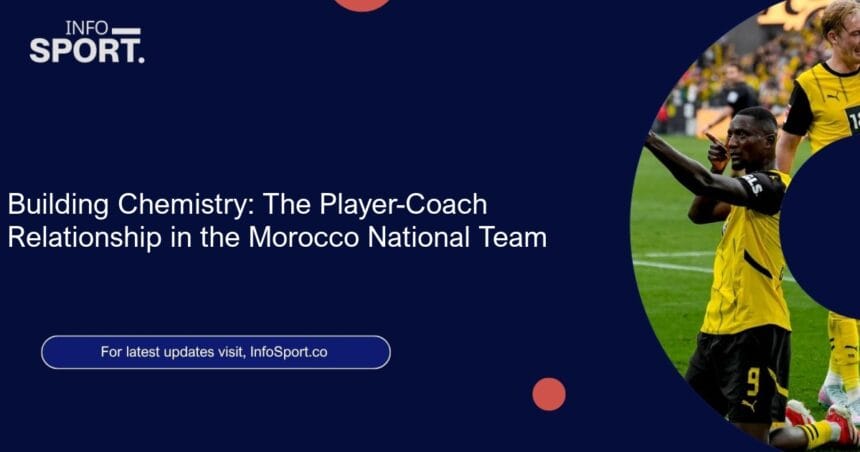
The intricate relationship between a player and their coach lies at the heart of any successful football team. For the Morocco national team, this connection transcends tactics and training sessions—it represents a bond built on trust, understanding, and shared ambition that can elevate the Atlas Lions to unprecedented levels. The effectiveness of the Morocco national team coach in cultivating this chemistry directly influences performance on the pitch, affecting everything from individual player confidence to collective team cohesion. This article explores the multifaceted dimensions of this dynamic, examining how it develops, sustains itself, and ultimately shapes the team’s trajectory.
The Foundation of Trust: A Key for the Morocco National Team Coach
Trust is the bedrock upon which all strong player-coach relationships are built. Without it, even the most brilliant tactical plans can crumble. Players must believe their coach has their best interests at heart, values their abilities, and makes fair decisions.
Building Credibility and Respect
A Morocco national team coach earns credibility through consistent actions and transparent communication. This involves demonstrating competence, integrity, and genuine commitment to team success. When players observe their coach working diligently, making informed decisions, and standing by them, respect naturally follows.
Fairness and Consistency in Decision-Making
Players closely observe how a coach handles various situations, from team selections to disciplinary measures. A coach who applies rules uniformly and makes objective decisions, regardless of a player’s status, creates an environment of fairness. This consistency is vital for maintaining morale and preventing resentment.
Communication Channels: Bridging the Gap
Effective communication serves as the lifeblood of the player-coach relationship. It ensures messages are clearly conveyed, understood, and acted upon, minimizing misunderstandings and fostering collaboration.

Clear and Open Dialogue
The Morocco National Team Coaching Staff and Management must establish transparent channels for interaction. This includes one-on-one meetings, team discussions, and informal conversations. An open-door policy, where players feel comfortable approaching the coach with concerns or ideas, strengthens the relationship significantly.
Feedback: A Two-Way Street
While coaches provide performance feedback, players equally need opportunities to share their thoughts and perspectives. Constructive feedback—both praise and critique—helps athletes develop. Equally important is the coach’s capacity to listen actively and adapt strategies based on player input when appropriate.
The Role of Assistant Coaches and Support Staff
Beyond the head coach, the vital role of assistant coaches in the Morocco national team cannot be understated. They frequently serve as intermediaries between the head coach and squad, offering alternative perspectives and additional support. Physiotherapists, sports psychologists, and team managers contribute to a holistic communication framework.

Tactical Implementation and Player Buy-in
A coach’s strategic vision is only effective when players can execute it. This relationship centers on translating strategy into action, requiring both intellectual comprehension and emotional investment.
Conveying the Strategic Vision
The Morocco national team coach’s strategy must be explained clearly and persuasively. Players need to understand not just *what* they must do, but *why* it matters within the broader team framework. Visual aids, video analysis, and practical demonstrations are essential tools.
Fostering Belief in the System
Players must believe the coach’s chosen tactics offer them the best chance of success. This confidence stems from trust in the coach’s expertise combined with seeing the strategy produce positive results. When players fully embrace the tactical plan, their commitment and performance naturally elevate.
Balancing Individual Strengths with Team Strategy
Great coaches understand how to integrate individual talents into a cohesive structure. This often involves tailoring tactics to leverage key players’ unique abilities while ensuring they contribute to collective objectives. This balance demonstrates that individual contributions are valued within the team’s framework.
Motivation and Psychology: Beyond the Pitch
The role of the Morocco national team coach extends far beyond training and matches. They are essential figures in managing player psychology, motivation, and overall well-being.
Inspiring Peak Performance
A coach must master motivation, inspiring players through both successes and setbacks. This requires understanding individual personalities and tailoring motivational approaches accordingly. Whether through a rousing pre-match address or a word of encouragement, the coach’s influence can be profound.
More Read

Handling Morale and Pressure
International football carries immense pressure. The coach plays a vital role in helping players navigate this stress, managing expectations, and fostering a supportive environment. During slumps or periods of poor form, the coach’s ability to sustain morale and instill confidence becomes paramount.
Creating a Positive Team Environment
A positive atmosphere nurtures camaraderie and minimizes internal friction. The coach establishes the tone, promoting respect, discipline, and shared purpose. This environment enables players to perform freely and express themselves without undue fear of failure.
Leadership Styles and Their Impact
Different coaches employ varied leadership approaches, each affecting the player-coach relationship and overall team dynamics distinctly. The most effective Morocco national team coach typically adapts their style to suit the situation and individuals involved.
Authoritative vs. Collaborative Approaches
Some coaches favor an authoritative style, making most decisions independently and expecting strict compliance. Others prefer collaboration, involving players in discussions and decisions. Both can succeed, though the latter often generates greater player ownership and responsibility.
Empowerment and Accountability
A coach who empowers players by delegating responsibility can strengthen their confidence and leadership capabilities. However, this must balance with accountability, ensuring players understand their obligations and the consequences of neglecting them.
Navigating Challenges: Conflict Resolution and Discipline
No team operates without internal challenges. The player-coach relationship undergoes testing during conflicts, disciplinary situations, or when navigating pressure: the unique challenges faced by the Morocco national team coach come to the fore.
Addressing Disagreements Constructively
Disagreements are inevitable in high-stakes environments. A skilled coach addresses conflicts directly, mediating discussions, hearing all perspectives, and finding resolutions that benefit the team. Avoiding conflict allows issues to fester, undermining unity.
Maintaining Discipline and Standards
Discipline remains crucial for maintaining professional standards and cohesion. The coach must enforce rules fairly and consistently, ensuring all players understand expectations and boundaries. This includes managing individual egos and preventing anyone from viewing themselves as above the team.
The Role of Mentorship: Nurturing Talent
Beyond tactical training, many coaches serve as mentors, particularly for younger players entering the national team setup. This mentorship can profoundly impact a player’s career and personal development.
Guiding Youth Development
The Morocco national team coach influences youth development through direct coaching and by setting examples and providing guidance. They help young players transition from club to international football, offering advice on professionalism, mental resilience, and career advancement.
Long-Term Player Growth
A strong mentor-mentee bond instills confidence, imparts valuable lessons, and helps players unlock their potential. This transcends immediate performance, contributing to the long-term growth of Moroccan football.
Historical Perspectives: Evolution of the Relationship
The player-coach dynamic in football has evolved considerably over time. Historically, coaches were often seen as authoritarian figures. Today, while authority persists, greater emphasis is placed on collaboration, sports psychology, and player welfare.
Modern Coaching Paradigms
Contemporary football demands a multifaceted approach from the Morocco national team coach. They serve not only as strategists but also as motivators, psychologists, and mentors. This evolution reflects deeper understanding of human psychology and team dynamics.
Impact on Team Culture
The nature of the player-coach relationship shapes the entire culture of the national team. A positive, respectful, collaborative relationship fosters a winning culture grounded in mutual support and shared objectives.
The Domino Effect: When Relationships Falter
Conversely, a breakdown in the player-coach relationship can have devastating consequences for a national team, resulting in underperformance and instability.
Consequences of Poor Chemistry
Absence of trust, inadequate communication, or perceived unfairness can trigger player dissent, internal divisions, and fractured team spirit. This invariably manifests on the pitch as disjointed play, insufficient effort, and poor results.
Impact on Performance and Stability
When relationships deteriorate, it frequently leads to coaching changes, which create further instability. The process of appointing a Morocco national team coach often considers their ability to manage personalities and build strong relationships, recognizing this critical element in long-term success.
In conclusion, the player-coach relationship forms an intricate tapestry woven from trust, communication, shared vision, and mutual respect. For the Morocco national team, it represents a dynamic element capable of becoming either a powerful catalyst for success or a significant obstacle. The ability of the Morocco national team coach to master this relationship arguably ranks among their most crucial responsibilities, directly impacting the team’s capacity to compete at the highest international levels. For more insights into the broader management structure, visit our pillar page on Morocco National Team Coaching Staff and Management.
FAQ About the Morocco National Team Coach and Player Relationships
What is the most important aspect of the player-coach relationship for the Morocco national team?
The most important aspect is trust. Players must have faith in the Morocco national team coach’s decisions, tactics, and commitment to their well-being and the team’s success. This foundation enables effective communication, tactical alignment, and overall team cohesion.
How does a Morocco national team coach build trust with players?
A Morocco national team coach establishes trust through consistent fairness in selection and disciplinary actions, clear and honest communication, demonstrated competence, and genuine care for player development and welfare. Transparency and integrity remain essential.
Why is communication crucial between the Morocco national team coach and players?
Communication ensures tactical instructions are comprehended, player perspectives are acknowledged, and concerns are resolved promptly. It creates a collaborative environment, prevents misunderstandings, and strengthens the bond between coach and squad, ultimately enhancing on-field performance.
How does the Morocco national team coach’s leadership style impact player relationships?
The coach’s leadership style significantly influences relationships. An autocratic approach may demand strict compliance but sometimes stifles creativity, while a collaborative style can empower players but requires disciplined management. The most effective coaches adapt their approach to the team’s needs and individual personalities.
What happens when the player-coach relationship breaks down for the Morocco national team?
A breakdown creates loss of trust, player dissent, diminished morale, and a dramatic performance decline. This results in a fractured locker room, inability to execute tactics, and ultimately poor results, potentially triggering coaching changes.