

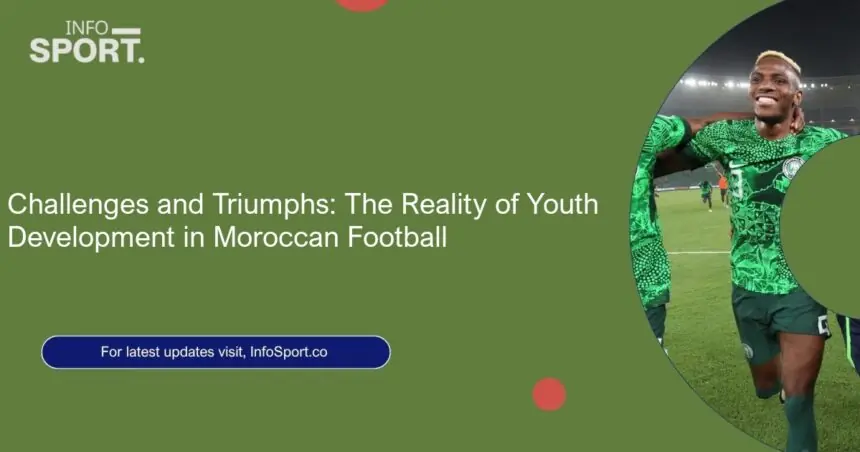
Challenges and Triumphs: The Reality of Youth Development in Moroccan Football
The landscape of morocco-football-youth-development//">Youth Development and Future Prospects of Moroccan Football is a dynamic tapestry woven with both significant challenges and remarkable triumphs. Nurturing young talent from local pitches to global stages demands consistent investment, strategic planning, and an unwavering commitment to excellence. This article explores how Morocco identifies, develops, and integrates its emerging footballing talent, examining the hurdles faced and the successes celebrated.
Morocco’s recent exploits on the international stage, particularly the Atlas Lions’ historic run at the 2022 FIFA World Cup, have cast a global spotlight on the effectiveness of its youth development programs. This success is not an overnight phenomenon but the culmination of decades of effort, adaptation, and a deep understanding of the unique environment in which young players mature.
The Foundation: A Brief History and Current Landscape
Moroccan football has a rich history, with a passionate fan base and a natural abundance of talent. However, structured youth development as we know it today is a relatively recent phenomenon, evolving significantly over the past two decades.
Early Initiatives in Youth Development
Historically, much of the talent identification and development was informal, relying on street football and local club initiatives. While this produced raw, naturally gifted players, it often lacked the systematic approach needed for consistent elite performance. Recognition of this gap prompted more formalized structures.
The Moroccan Football Federation (FRMF) began implementing more cohesive strategies in the early 2000s, aiming to standardize training and competition across the country. These early steps laid the groundwork for the more sophisticated systems in place today.
More Read

The Current Ecosystem: Academies, Clubs, and Federations
Today, Morocco’s youth football ecosystem is a blend of state-of-the-art academies, professional club setups, and regional training centers. The Mohammed VI Football Academy stands as a shining example, becoming a benchmark for comprehensive player development. However, it’s not the only player in the field.
Major professional clubs such as Wydad AC, Raja CA, and FAR Rabat operate their own youth academies, feeding directly into their senior teams. The FRMF plays a pivotal role in regulating, funding, and providing strategic direction for these various entities, ensuring a unified vision for player progression. You can learn more about these institutions in The Golden Generation: How Moroccan Football Youth Academies are Forging Future Stars.
Major Challenges in Youth Development
Despite significant progress, the path to developing elite players is fraught with several persistent challenges that require continuous attention and innovative solutions.
More Read

Infrastructure Limitations and Access
While major cities boast impressive facilities, many rural and less affluent areas still lack adequate football pitches, training equipment, and sports infrastructure. This disparity limits access for a significant portion of the talented youth population, creating an uneven playing field.
The quality of existing facilities can also vary considerably. Maintaining high-standard pitches and training grounds across the entire nation remains a considerable logistical and financial undertaking for the FRMF and local authorities.
Financial Constraints and Sustainability
Funding youth development is an expensive endeavor. While the FRMF and some major clubs have increased investment, many smaller clubs and regional centers struggle with financial sustainability. This often impacts the quality of coaching, equipment, and player welfare programs.
Attracting and retaining private sector investment is crucial, but it requires demonstrating clear returns and long-term vision. The ongoing challenge is creating sustainable funding models that don’t solely rely on government or federation subsidies. The article Investment in Tomorrow: Funding the Future of Moroccan Football Youth discusses this in detail.
Coaching Quality and Development
The quality of coaching is paramount for youth development. While Morocco has made strides in coach education, ensuring consistent standards across all levels—from grassroots to elite academies—remains a challenge. Many grassroots coaches may lack formal qualifications or access to modern methodologies.
Continuous professional development, exposure to international best practices, and competitive remuneration are vital to attract and retain high-caliber coaches. The importance of this role is highlighted in Coaching the Champions: The Role of Youth Coaches in Moroccan Football.
More Read
The Brain Drain: Talent Migration
One significant challenge is the early migration of promising talent to European academies and clubs. While this can offer players exposure to top-tier football, it also means that Moroccan clubs often lose their most promising prospects before they can contribute to local leagues or fully develop within the domestic system.
This “brain drain” can weaken local leagues and academies, making it harder to build strong domestic competitions and retain homegrown stars. Balancing the desire for players to achieve their dreams abroad with the need to strengthen the national footballing ecosystem is a delicate act.
Balancing Education and Football
For many young players and their families, pursuing a football career often comes at the expense of formal education. This creates a precarious situation, as only a small percentage of youth players will make it professionally.
Academies like the Mohammed VI Football Academy are addressing this by integrating robust academic programs alongside football training, ensuring players have alternative pathways if their football careers do not materialize. This holistic approach is crucial for long-term well-being.
Competition and Opportunity
The sheer volume of talented players means that competition for places in elite academies and professional clubs is intense. Many promising players may fall through the cracks due to limited opportunities or lack of comprehensive scouting networks.
Ensuring that talent is identified and nurtured regardless of geographical location or socio-economic background requires extensive scouting and a broad network of development centers. The article Scouting the Future: How Morocco Discovers Its Next Football Prodigies explores this further.
Significant Triumphs and Success Stories
Despite the challenges, Morocco has achieved remarkable triumphs in youth development, culminating in unprecedented success on the international stage.
The Rise of Elite Academies
The establishment of the Mohammed VI Football Academy in 2009 marked a turning point. This state-of-the-art facility has been instrumental in professionalizing youth development, producing players who are not only technically gifted but also tactically astute and disciplined.
Academy graduates have gone on to play for top European clubs and form the backbone of the national team, demonstrating a clear return on investment. This model has inspired other clubs and regions to elevate their own youth programs.
National Team Success at the 2022 FIFA World Cup
The Atlas Lions’ historic semi-final run at the 2022 FIFA World Cup in Qatar was a monumental triumph and a powerful testament to Morocco’s youth development strategy. A significant number of players in that squad, both homegrown and from the diaspora, had benefited from structured youth pathways.
This success has not only instilled national pride but has also provided a massive boost to the morale and aspirations of the current generation of young players. It serves as a tangible goal for what can be achieved through dedication and a sound development system.
Clear Player Pathways to Professionalism
Morocco has successfully created clearer pathways for young players to transition from youth academies to professional football, both domestically and internationally. This includes robust youth league structures, opportunities for trials with senior teams, and partnerships with foreign clubs.
The integration of players from youth ranks into the Botola Pro (Morocco’s top league) is becoming more common, providing valuable experience and exposure. Read more about these pathways in From Local Pitches to National Glory: Pathways for Moroccan Football Youth Talent.
International Recognition and Player Exports
Moroccan youth players are increasingly sought after by European clubs, a clear indicator of the quality of their development. Players like Achraf Hakimi, Youssef En-Nesyri, and Azzedine Ounahi, among others, are products of or have strong ties to the Moroccan development system, showcasing their talent on the biggest stages.
This international recognition not only benefits the players financially but also elevates the reputation of Moroccan football worldwide, attracting further investment and attention to its youth programs. Many of Morocco’s Next Top Talents: Players to Watch in Youth Football are already on the radar of international scouts.
Strategic Vision and Investment
The FRMF, under the leadership of Fouzi Lekjaa, has implemented a clear and ambitious long-term vision for football development, with youth at its core. This strategic blueprint includes significant investment in infrastructure, coach education, and talent identification across all regions.
This unified national strategy, detailed in The Strategic Blueprint: Morocco’s Long-Term Vision for Youth Football Development, provides a coherent framework for all stakeholders, ensuring that efforts are coordinated and resources are utilized effectively.
Key Strategies for Overcoming Challenges
To continue its upward trajectory, Moroccan football is actively implementing strategies to mitigate existing challenges and build upon its successes.
Enhancing Infrastructure and Accessibility
The FRMF is committed to expanding and upgrading football infrastructure across the country, particularly in underserved areas. This includes building more regional training centers, improving existing pitches, and providing equipment to grassroots clubs.
Initiatives like “Football for All” aim to make the sport accessible to a wider demographic, ensuring that talent is not missed due to geographical or economic barriers. This widespread access is fundamental for broad-based development.
Sustainable Funding Models
Efforts are underway to diversify funding sources. This includes exploring public-private partnerships, attracting corporate sponsorships, and developing revenue-generating activities within academies and clubs. The goal is to create financial independence and long-term stability.
The FRMF also continues to allocate a significant portion of its budget to youth programs, recognizing their critical importance to the future of Moroccan football.
Advanced Coach Education Programs
Investing heavily in coach education is a priority. This involves regular training courses, workshops, and certifications for coaches at all levels, from children’s football to elite youth teams. Emphasis is placed on modern coaching techniques, sports science, and player psychology.
The FRMF is also fostering international partnerships to bring in expertise and expose Moroccan coaches to global best practices, ensuring that young players receive world-class instruction.
Retaining Talent and Creating Local Opportunities
While acknowledging the allure of European leagues, Moroccan clubs are working to create more attractive propositions for young talent to remain in the domestic league. This includes improved contracts, better playing opportunities in senior teams, and pathways to international competition through club successes.
Strengthening the Botola Pro league itself makes it a more compelling platform for development, allowing young players to hone their skills in a competitive environment before potentially moving abroad.
Holistic Player Development
The emphasis on balancing academics with football is growing. More academies and clubs are integrating comprehensive educational programs into their curriculum, ensuring that players receive a well-rounded upbringing.
This approach prepares players not just for a football career but also for life beyond the pitch, equipping them with essential life skills and qualifications. It’s a key aspect of nurturing the whole person, not just the athlete.
The Role of Key Stakeholders
The success of youth development is a collective effort, involving various key stakeholders working in synergy.
FRMF’s Vision and Initiatives
The Royal Moroccan Football Federation is the driving force behind the national youth development strategy. It provides regulatory oversight, financial support, and a unified vision. Its initiatives include national youth competitions, talent identification programs, and significant investments in infrastructure and training centers.
The FRMF’s commitment to a long-term plan, regardless of short-term results, has been crucial in building a sustainable development model.
Club Responsibilities and Investment
Professional clubs play a vital role as the immediate environment for many aspiring players. Their responsibility extends beyond simply fielding a team; it includes investing in their youth academies, providing quality coaching, and creating clear pathways for progression to their senior squads.
The health of club youth systems directly impacts the depth of talent available for national teams and the overall strength of Moroccan football.
The Diaspora’s Contribution
Moroccans living abroad, particularly in Europe, have historically contributed significantly to the national team. Many players developed in top European academies have chosen to represent Morocco, bringing invaluable experience and skill to the squad.
The FRMF has actively worked to integrate this diaspora talent, recognizing its importance to the national team’s success. This dynamic is explored in Diaspora Dynamos: Integrating Moroccan Talent from Abroad into the National Team Pipeline, showcasing a unique strength of Moroccan football development.
Conclusion
The reality of youth development in Morocco is a compelling narrative of perseverance, strategic vision, and remarkable achievement. While challenges such as infrastructure disparities, financial constraints, and talent migration persist, the triumphs—epitomized by the success of the national team and the emergence of world-class players—are undeniable.
Morocco’s commitment to a holistic and integrated approach, focusing on elite academies, comprehensive coach education, and a robust scouting network, positions it as a leading nation in African football development. As the nation continues to refine its strategies and invest in its future, the prospects for the next generation appear brighter than ever, promising continued success on both continental and global stages. This ongoing journey underscores the vital importance of Youth Development and Future Prospects of Moroccan Football for the nation’s sporting identity.
FAQ: Moroccan Football Youth Development
Q1: What are the biggest challenges facing youth development?
A1: Major challenges include limited infrastructure in rural areas, financial constraints for smaller clubs, ensuring consistent quality of coaching across all levels, the early migration of talented players to European academies, and balancing football training with academic education for young athletes.
Q2: How has the Mohammed VI Football Academy contributed to football success?
A2: The academy has been pivotal by providing state-of-the-art facilities and a professional development environment. It has produced numerous technically gifted and disciplined players who have gone on to play for top European clubs and form the core of the Moroccan national team, significantly contributing to their recent international successes.
Q3: What role does the diaspora play in youth development?
A3: The Moroccan diaspora, particularly those in Europe, plays a crucial role. Many talented players developed in top European academies, with Moroccan heritage, choose to represent Morocco. The FRMF actively works to integrate these players, enriching the national team with diverse skills and experiences that complement homegrown talent.
Q4: How is Morocco addressing talent retention?
A4: Morocco is improving the quality of its domestic leagues and academies, offering more attractive contracts, and providing clearer pathways for young players to progress to senior teams within domestic clubs. The goal is to make the local environment a more compelling option for development before players consider moving abroad.
Q5: What is the long-term vision for youth development?
A5: The FRMF’s long-term vision is to continue investing in infrastructure, coach education, and comprehensive talent identification programs across all regions. The aim is to build a sustainable system that consistently produces world-class players, strengthens domestic football, and ensures continued success for the national team on both continental and global stages, all while fostering a holistic approach to player welfare.