
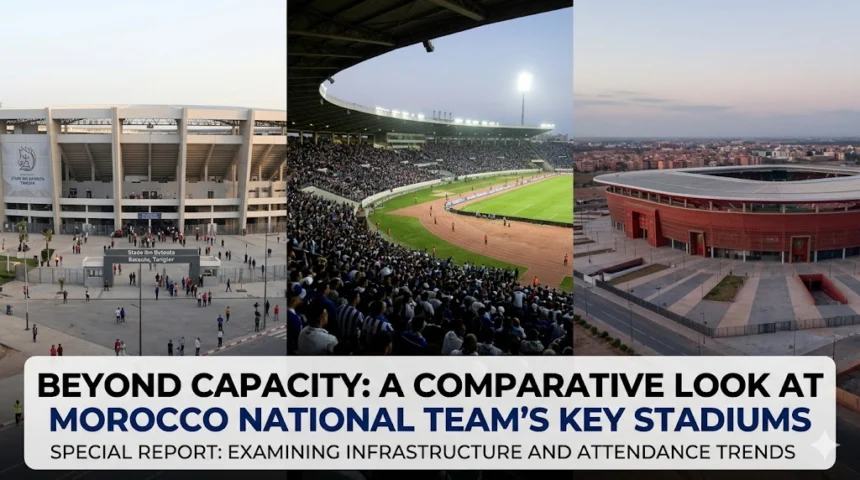
The home grounds of the Morocco national football team are legendary for their roaring crowds, electric atmosphere, and sacred turf where heroes are born. For devoted supporters of the Atlas Lions, understanding these stadiums is essential to appreciating the team’s journey. This article aims to explore and compare Morocco’s national team stadiums, providing a comprehensive overview of their capacities, facilities, historical significance, and the unique experiences they offer. Each ground represents a piece of the national team’s identity and aspirations, from historic venues steeped in tradition to modern arenas built for the future.
Morocco boasts impressive football infrastructure, with numerous stadiums regularly serving as the national team’s home venue. These are far more than pitches and stands—they are fortresses of passion and symbols of national pride. To fully grasp the Moroccan football landscape, exploring these arenas and understanding what distinguishes each is worthwhile. For a more detailed overview of these important venues, please visit our main pillar page for Morocco’s stadiums and home grounds.
Major Stadiums of the Atlas Lions
The Moroccan national team rotates its matches across the country, with each stadium offering distinct advantages and experiences. While numerous venues exist, several regularly host important qualifiers, international friendlies, and major tournaments: the iconic Mohammed V Stadium in Casablanca, the modernised Prince Moulay Abdellah Stadium in Rabat, the aesthetically pleasing Stade de Marrakech, the impressive Grand Stade d’Agadir, and Stade Ibn Batouta in Tangier.
These grounds represent integral chapters in the national team’s story, serving as stages for both triumphs and defeats. Understanding the individual characteristics of Morocco’s national team stadiums forms the foundation for effective comparison.

Stade Mohammed V – The Beating Heart of Casablanca
In the heart of Morocco’s bustling metropolis, Mohammed V Stadium stands as arguably the nation’s most legendary football ground. Opened in 1955, it has witnessed countless memorable moments for both club and country. The official capacity reaches approximately 45,000, though major matches have regularly accommodated significantly larger crowds.
What makes Mohammed V truly special is its electric atmosphere. The passionate supporters, particularly the ultras of local clubs Raja and Wydad, create an intimidating environment for visiting teams. This raw energy becomes a tangible advantage for the national side—players often gain what observers describe as “an extra man on the pitch.” Discover more about this historic venue in our dedicated article: Mohammed V Stadium: Casablanca’s Legendary Roar for Morocco.
While the stadium boasts unrivalled history and atmosphere, it represents a blend of tradition and modernisation. Multiple renovations over the years have brought it closer to international standards, yet it retains much of its original character. Its central Casablanca location ensures excellent accessibility for fans, explaining its status as a regular venue for major national team fixtures.

Prince Moulay Abdellah Stadium: Rabat’s Modern Fortress
In the capital city of Rabat, Prince Moulay Abdellah Stadium exemplifies Morocco’s contemporary football infrastructure. Originally constructed in 1983, the venue underwent extensive renovation for the 2015 Africa Cup of Nations, expanding capacity to over 53,000 spectators and upgrading facilities to FIFA and CAF standards.
This stadium delivers a more modern match-day experience than its Casablanca counterpart. Modern seating, upgraded VIP zones, and enhanced media facilities create a refined environment. The pitch consistently maintains excellent quality, making it a favoured choice for important international qualifiers. The atmosphere remains vibrant, particularly during Atlas Lions victories, though less raw than at Mohammed V. Learn more about Rabat’s footballing jewel in our article: Prince Moulay Abdellah Stadium: Rabat’s Fortress for the Atlas Lions.
The capital location provides excellent logistical support, with strong transport links and surrounding infrastructure. This combination of modernity, capacity, and strategic positioning establishes it as a cornerstone among national team venues.
Stade de Marrakech: The Contemporary Arena of the Red City
Heading south to the vibrant city of Marrakech, we encounter Stade de Marrakech, a relatively recent addition to Morocco’s premier stadiums. Opened in 2011, this multi-use facility accommodates approximately 45,240 spectators and features contemporary architectural design blending modern elements with local character.
Stade de Marrakech offers a genuinely modern spectator experience. The layout ensures excellent sightlines from every seat, comfortable seating, and state-of-the-art amenities. The atmosphere is enthusiastic and well-supported, though not quite reaching Casablanca’s fever pitch, particularly given Marrakech’s status as a major tourist destination and resulting mixed crowds. It regularly hosts international friendlies and competitive fixtures. Explore this beautiful venue further in our article: Stade de Marrakech: The Modern Arena of the Red City for the Atlas Lions.
Located on the city’s outskirts, the stadium offers ample parking and good accessibility, though fans staying downtown may require additional travel. Modern infrastructure and an attractive setting position it as an excellent venue for showcasing Morocco internationally.
More Read

Grand Stade d’Agadir: A Gem of the South
Another modern addition to Morocco’s football landscape is the Grand Stade d’Agadir. Opened in 2013, this venue accommodates approximately 45,480 spectators—comparable to Stade de Marrakech and Mohammed V—and serves as an important southern regional home for the national team in the coastal city of Agadir.
The stadium is renowned for its modern design, excellent pitch quality, and infrastructure meeting international standards. It provides a comfortable, contemporary viewing experience with strong accessibility and surrounding facilities. While Agadir lacks Casablanca or Rabat’s historical footballing passion, national team matches consistently draw large, enthusiastic crowds, delivering substantial home advantage.
As a popular tourist destination comparable to Marrakech, it attracts diverse crowds, including international visitors. The stadium represents a valuable asset among Morocco’s national team stadiums for major events, thanks to modern amenities and strategic positioning.
Stade Ibn Batouta: Northern Gateway in Tangier
In the northern city of Tangier, Stade Ibn Batouta symbolises Morocco’s commitment to modern football infrastructure. Opened in 2011, it boasts approximately 65,000 capacity, making it one of the country’s largest stadiums and a serious contender regarding capacity and potential among Moroccan venues.
The stadium is notable for its impressive size and modern facilities, including excellent seating, VIP lounges, and media areas. Its clean, contemporary design creates a comfortable, entertaining environment for supporters. It has hosted numerous significant international matches, including the CAF Super Cup and FIFA Club World Cup, demonstrating capability for major events.
Tangier’s strategic northern position, near Europe, enhances the stadium’s international appeal and accessibility. Strong regional support ensures excellent atmospheres whenever the Atlas Lions take the pitch. With substantial capacity and modern infrastructure, it ranks firmly among the nation’s premier national team venues.
Key Differences: A Comprehensive Comparison
To effectively compare Morocco’s national team stadiums, we must look beyond individual descriptions and identify distinguishing factors. Each venue contributes uniquely to the national team’s narrative, influencing both match outcomes and fan experience.
Size and Capacity
- Stade Ibn Batouta (Tangier): Approximately 65,000. The largest, with greatest crowd potential.
- Prince Moulay Abdellah (Rabat): Over 53,000. Second largest, featuring recent major upgrades.
- Mohammed V (Casablanca): Approximately 45,000. Historically significant, currently mid-range in official capacity.
- Grand Stade d’Agadir: Approximately 45,480. Contemporary design with comparable capacity.
- Stade de Marrakech: Approximately 45,240. Modern and comfortable, medium capacity.
Capacity differences determine optimal venue selection for various matches. Tangier and Rabat suit high-demand qualifiers and major tournament games, while others accommodate competitive and friendly fixtures effectively.
Heritage and Atmosphere Versus Modern Comforts
- Mohammed V Stadium: The epitome of raw passion and historical importance. Though renovated, this older venue retains authentic, sometimes chaotic charm. The legendary atmosphere provides tremendous home-field advantage, representing living history in Morocco National Team home grounds.
- Prince Moulay Abdellah, Stade de Marrakech, Grand Stade d’Agadir, Stade Ibn Batouta: All relatively modern venues, built or significantly renovated in the 21st century. They provide superior comfort, enhanced amenities, and improved visual experiences through contemporary design. These iconic stadiums where the Morocco National Team has forged history in the modern era generate excellent atmospheres while typically offering more controlled, refined fan experiences than Mohammed V’s visceral energy.
The choice between a historic, atmospheric cauldron and a modern, comfortable arena depends on match significance and desired fan experience. For high-pressure encounters requiring psychological intimidation, Mohammed V remains unmatched despite its age.
Location and Accessibility
- Casablanca (Mohammed V): Morocco’s largest city, centrally located with public transport access, though match-day traffic presents significant challenges.
- Rabat (Prince Moulay Abdellah): Good infrastructure in the capital, relatively convenient for national and international visitors.
- Marrakech (Stade de Marrakech): Outskirts location requiring special transport, yet the major tourist destination draws mixed crowds.
- Agadir (Grand Stade d’Agadir): Similar outskirts positioning, offering coastal charm and tourist amenities.
- Tangier (Stade Ibn Batouta): Northern location near Europe, featuring good road and rail connections for international travel.
Accessibility directly influences fan attendance and national team logistics. Major transport hubs and tourist centres typically attract larger, more diverse crowds.
Facilities and Infrastructure
Newer stadiums (Rabat, Marrakech, Agadir, Tangier): Modern facilities include upgraded media centres, VIP boxes, hospitality zones, and contemporary changing rooms built to current FIFA and CAF standards. Information regarding hospitality and fan zones proves most relevant for these venues.
Mohammed V (Casablanca): Despite renovations, infrastructure may not match newer stadiums’ standards, though many fans appreciate this distinctive character.
All major grounds maintain excellent pitch quality, reflecting Morocco’s commitment to providing optimal playing conditions for its national team.
Strategic Stadium Selection
Stadium choice for specific matches involves deliberate strategy:
Mohammed V: Deployed for crucial, high-stakes qualifiers where the hostile environment provides psychological advantage.
Prince Moulay Abdellah: Suitable for competitive matches, combining modern facilities, strong capacity, and reliable capital-based support.
Stade de Marrakech and Grand Stade d’Agadir: Often hosting international friendlies, less critical qualifiers, or showcasing Morocco’s modern infrastructure and tourist attractions.
Stade Ibn Batouta: Ideal for major tournament matches or prestigious friendlies, leveraging substantial capacity and international logistical advantages.
Each venue fulfils a distinct purpose in the national team calendar, offering unique strengths. Match ticket availability depends on host stadium: How to get tickets for Morocco national team matches.
Morocco National Team Stadiums: The Future
Morocco’s football stadiums continue evolving, with ambitious plans tied to hosting major international tournaments such as the FIFA World Cup. These aspirations have sparked discussions and concrete plans for substantial upgrades and new, large-scale venue construction.
The most anticipated project is the Grand Stade de Casablanca, a monumental facility potentially exceeding 90,000 capacity. This would fundamentally alter how we compare Morocco’s national team stadiums and position Morocco among elite football nations regarding infrastructure. Beyond serving as a potential World Cup final venue, this development would dramatically expand national team stadium capacity.
Alongside new construction, existing stadiums undergo continuous improvement. Morocco’s preparations for the potential 2030 FIFA World Cup co-hosting include further renovations to Prince Moulay Abdellah Stadium. Understanding Morocco’s World Cup bid and future stadium plans reveals this commitment. The goal transcends meeting international standards—Morocco aims to exceed them, ensuring every Atlas Lions venue achieves world-class status.
Future plans demonstrate national commitment to football excellence, establishing optimal conditions for the national team and unforgettable fan experiences. Continued investment guarantees Morocco’s stadiums remain competitive and impressive on the global stage, securing their role as essential assets for the Atlas Lions.
Conclusion: The Atlas Lions’ Diverse Home
When we compare Morocco’s national team stadiums, it becomes evident that the Atlas Lions benefit from a varied and capable collection of home grounds. From historic, atmospheric Mohammed V Stadium to state-of-the-art arenas in Rabat, Marrakech, Agadir, and Tangier, each venue offers unique combinations of capacity, facilities, and fan experience.
Mohammed V commands irreplaceable traditional passion, while newer stadiums showcase Morocco’s commitment to modern infrastructure and comfort. This variety allows the national team to select venues based on match importance, opposition, and desired atmospheric advantage. With continued investment and ambitious projects like the potential Grand Stade de Casablanca, Moroccan football’s future appears increasingly promising.
Ultimately, these stadiums transcend sports venues—they symbolise national pride, where a nation’s dreams unfold on the pitch and the Atlas Lions continue forging legendary history. For deeper insight into these significant spaces, read our article: The Iconic Stadiums: Where the Morocco National Team Forges History.
FAQ (Frequently Asked Questions)
- What is the primary home stadium of the Morocco national team?
- While the Moroccan national team utilises several stadiums, Mohammed V Stadium in Casablanca and Prince Moulay Abdellah Stadium in Rabat serve most frequently as home venues due to their size, location, and historical significance.
- What are the capacities of Morocco’s main national team stadiums?
- Capacities vary considerably. Stade Ibn Batouta in Tangier is the largest at approximately 65,000, followed by Prince Moulay Abdellah in Rabat with over 53,000. Mohammed V Stadium in Casablanca, Stade de Marrakech, and Grand Stade d’Agadir each accommodate around 45,000.
- Which Moroccan stadium features the best facilities?
- Newer stadiums—Prince Moulay Abdellah in Rabat (following renovations), Stade de Marrakech, Grand Stade d’Agadir, and Stade Ibn Batouta in Tangier—generally offer the most modern facilities, including VIP areas, media centres, and infrastructure built to contemporary international standards.
- What distinguishes the atmosphere at Mohammed V Stadium?
- Mohammed V’s legendary atmosphere derives from incredible passion and intensity, significantly enhanced by passionate club ultras. The older design and close fan-to-pitch proximity create an intimidating, electrifying environment widely recognised as a major psychological advantage for the Atlas Lions.
- Are there plans for new large stadiums in Morocco?
- Yes, Morocco has substantial plans for new stadium construction and major renovations, particularly regarding potential FIFA World Cup bids. The primary project involves the proposed Grand Stade de Casablanca, an enormous modern stadium potentially exceeding 90,000 capacity.