
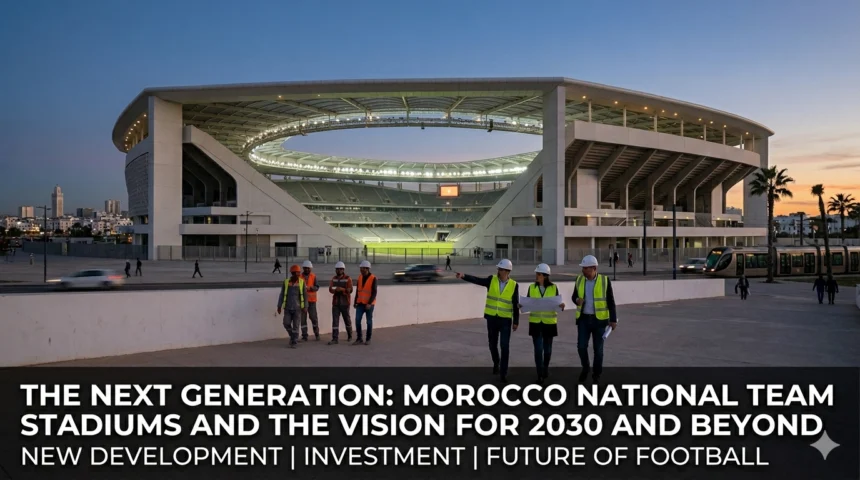
The Next Generation: Morocco National Team Stadiums and the Vision for 2030 and Beyond
Morocco stands at the threshold of a transformative era in football infrastructure. With the country’s ambitious bid to co-host the 2030 FIFA World Cup and a vibrant football culture, substantial investment is pouring into modernizing the national team’s venues. This vision extends far beyond a single tournament—it represents a commitment to building world-class facilities that will serve the Atlas Lions and the Moroccan people for generations to come.
Recent triumphs by the Moroccan national team, particularly their remarkable 2022 FIFA World Cup campaign, have sparked unprecedented enthusiasm for the sport. This fervor, combined with a comprehensive national development strategy, underscores the critical need for infrastructure meeting international standards while reflecting the nation’s rising prominence in global football. The emphasis lies in creating modern, sustainable, and welcoming venues capable of hosting major tournaments while continuing to grow the sport’s reach.
This article examines the complete roadmap for developing future Moroccan national team stadiums, including new constructions, significant upgrades to existing facilities, and the broader implications these projects will have on Moroccan football and society.
Morocco’s 2030 World Cup Bid: A Catalyst for Change
The joint candidacy of Morocco, Spain, and Portugal to host the 2030 FIFA World Cup represents an extraordinary opportunity to advance stadium infrastructure. Organizing an event of such magnitude demands state-of-the-art facilities for matches, training, media operations, and fan engagement. This bid has galvanized Morocco to commit to constructing and upgrading stadiums to meet FIFA’s rigorous standards.
The quality of proposed venues will be pivotal to the bid’s success. Morocco has pledged to deliver cutting-edge stadiums showcasing the best of Moroccan architecture, culture, and technological innovation. Beyond meeting a tournament deadline, this commitment establishes a new benchmark for sporting infrastructure across Africa and the Arab world.

A Two-Pronged Approach: New Stadiums and Major Upgrades
Morocco’s strategy encompasses both the construction of iconic new venues and comprehensive renovations of beloved existing facilities. This balanced program preserves historic sites while modernizing them for contemporary standards, ensuring new builds meet future demands with expanded capacities and advanced technologies. The objective is creating a network of stadiums capable of hosting diverse World Cup stages, from group matches through semi-finals.
This vision spans key cities across Morocco, with plans for either new construction or major upgrades in each location. This distributed approach ensures infrastructure benefits reach communities nationwide, promoting regional development and stimulating local economies.
Stade Mohammed V, Casablanca: The Flagship Project
The Grand Stade de Casablanca anchors Morocco’s stadium development plan. This monumental facility will rank among Africa’s largest and most advanced venues, with a proposed capacity exceeding 90,000 spectators and potential hosting of World Cup finals or semi-finals—a statement of Morocco’s global ambitions.

The design concept blends classical Moroccan architecture with contemporary aesthetics. It will incorporate state-of-the-art amenities including VIP lounges, corporate boxes, media centers, and excellent public transportation access. Beyond a sports venue, this multi-purpose complex will function as an entertainment and cultural hub, revitalizing the surrounding area.
Modernizing Historic Venues
While new construction captures headlines, upgrading existing stadiums proves equally vital to Morocco’s infrastructure strategy. Historic venues bearing decades of Moroccan football history are entering a new chapter. Comprehensive renovations focus on expanding capacity, enhancing spectator comfort, strengthening safety features, and integrating modern technologies.
Casablanca’s Mohammed V Stadium, renowned for its electric atmosphere and historical significance, will undergo major renovations preserving its distinctive character while meeting international standards. Similarly, Rabat’s Prince Moulay Abdellah Stadium, a fortress for the Atlas Lions, will be extensively modernized to elevate facilities and fan experience.
Marrakech’s stadium also features upgrade plans ensuring it continues delivering premier-level experiences. These improvements go beyond cosmetic changes—they involve structural enhancements, new seating installations, advanced pitch technology, improved lighting systems, and expanded hospitality areas. The goal is enabling these venues to confidently host major international matches while delivering exceptional fan experiences. These upgrades strengthen Morocco’s World Cup candidacy, as detailed in our coverage of future stadium plans and improvements.
A Legacy for Moroccan Football After 2030
Stadium development represents a long-term investment extending well beyond hosting the 2030 World Cup. The infrastructure being created today will establish a lasting legacy, transform Moroccan football’s landscape, and contribute meaningfully to national development.
Economic and Social Impact
Construction and operation of these world-class facilities are expected to deliver substantial economic and social benefits. The scale of these projects will generate thousands of jobs—from construction workers and engineers to hospitality staff and security personnel. This employment surge will energize local economies and provide valuable skills development for Morocco’s workforce.

These stadiums will catalyze urban development, drawing investment into surrounding areas through hotels, restaurants, and transportation infrastructure. They will become premier tourist attractions, drawing international visitors and enhancing Morocco’s global profile. The social dimensions are equally significant, fostering national pride, community engagement, and shared identity around football.
Development Across All Levels
Modern, high-quality stadiums will benefit Moroccan football throughout the competitive pyramid. Beyond national team matches, these venues will host major league competitions, cup finals, and youth tournaments. Exposure to world-class facilities will inspire young Moroccan players and provide superior training environments.
Enhanced infrastructure will advance coaching development, sports science, and player welfare programs, aligning Moroccan football with global best practices. With cutting-edge facilities, Morocco aims to cultivate emerging talent, sustain the Atlas Lions’ competitive success, and strengthen the national football ecosystem. Additional perspective on these venues is available in our history of Morocco’s home grounds.
Essential Features of Future Morocco National Team Stadiums
Stadium design and construction follow core principles emphasizing sustainability, fan experience, and technological innovation. These elements create venues that are functional, future-ready, and genuinely world-class.
Green Initiatives and Sustainability
Environmental responsibility shapes both new construction and facility renovations. Future Moroccan stadiums embed sustainability through:
- Energy Efficiency: LED lighting, intelligent energy management, and passive design strategies minimize consumption.
- Water Conservation: Rainwater collection, efficient irrigation for playing surfaces, and low-flow fixtures reduce water usage.
- Renewable Energy: Solar panels and alternative energy technologies power stadium operations.
- Sustainable Materials: Eco-friendly building materials procurement reduces environmental impact.
These initiatives align with Morocco’s national sustainable development commitments, positioning stadiums as exemplars of environmentally responsible infrastructure.
Fan Experience and Accessibility
Paramount attention addresses fan experience, ensuring every stadium visit is comfortable, enjoyable, and accessible:
- Modern Amenities: Comfortable seating with excellent sightlines, spacious restrooms, and diverse food and beverage options.
- Enhanced Viewing: High-definition giant screens, premium audio systems, and broadcast-quality infrastructure.
- Transportation Access: Robust public transit networks, adequate parking, and clear pedestrian routes ensure convenient access for all spectators.
- Inclusive Facilities: Comprehensive accommodations for disabled visitors, including designated seating, accessible restrooms, and ramps/elevators.
- Fan Engagement: Dynamic fan zones outside stadiums for pre-match entertainment and varied hospitality packages, as covered in Enhancing Your Visit: Hospitality and Fan Zones at Morocco National Team Stadiums. Ticket acquisition details for these experiences are available in How to Get Tickets for Morocco National Team Matches: A Fan’s Guide.
Technological Integration
Future Morocco national team stadiums will function as smart facilities, leveraging technology to optimize operations, strengthen security, and enrich fan engagement:
- Connectivity: High-speed Wi-Fi throughout enables fans to stay connected and share experiences.
- Cashless Transactions: Digital payment systems for concessions and merchandise streamline purchasing.
- Advanced Security: Sophisticated surveillance, access control, and crowd management technologies protect spectators.
- VAR Systems: Video Assistant Referee technology and modern officiating tools support fair competition.
- Digital Navigation: Interactive signage and mobile applications help fans navigate venues and access information.
Government and Federation Leadership
Realizing these ambitious stadium plans requires strong direction and substantial investment from the Moroccan government and the Royal Moroccan Football Federation (FRMF). This partnership proves essential for planning, financing, and executing large-scale projects.
The government has committed considerable resources, recognizing the strategic value of such infrastructure for national development and international standing. The FRMF, under Fouzi Lekjaa’s leadership, ensures stadium designs meet football-specific requirements and comply with FIFA and CAF standards. Strategic collaborations with international architects, construction firms, and sports consultants are instrumental in translating these visions into reality.
Challenges and Opportunities
While Morocco’s stadium vision inspires, its realization presents distinct challenges and prospects.
Challenges
- Funding: Multiple new builds and extensive renovations require enormous capital investment, demanding strategic financial planning and potentially international partnerships.
- Timeline Pressures: World Cup bid deadlines necessitate precise planning, efficient project management, and overcoming potential logistical complications.
- Coordination Complexity: Simultaneous large-scale projects across multiple cities create substantial logistical challenges, including supply chain management, labor coordination, and alignment with urban development initiatives.
Opportunities
- Global Showcase: These stadiums provide an exceptional platform to present Morocco’s cultural heritage, architectural excellence, and hospitality to worldwide audiences.
- International Events: Beyond the World Cup, premier venues position Morocco to bid for and host additional major sporting and cultural events, enhancing tourism and economic growth.
- National Unity: These magnificent projects will cultivate deep national pride, reinforcing Morocco’s standing as a leading force in African and global football.
Conclusion
The vision for future Morocco national team stadiums reflects the nation’s soaring ambitions and profound passion for football. With the 2030 World Cup bid as a catalyst, Morocco is creating a legacy of world-class infrastructure embodying sporting excellence. From the iconic Grand Stade de Casablanca to revitalized historic grounds, these venues will host thrilling competitions, drive economic progress, strengthen communities, and motivate emerging generations of Atlas Lions. Commitment to sustainability, fan experience, and technological advancement ensures these stadiums transcend mere sporting arenas—they will become vibrant centers of national pride and global engagement, solidifying Morocco’s international prominence. For comprehensive information on the nation’s home venues, visit our Stadiums and Home Grounds of the Morocco National Team resource.
FAQ
Q1: What is the primary driving force behind the development of future Morocco national team stadiums?
A1: The primary driving force is Morocco’s joint bid with Spain and Portugal to host the 2030 FIFA World Cup, which necessitates world-class infrastructure. Additionally, the nation’s growing footballing success and ambition for long-term sports development play a significant role.
Q2: Which new stadium is considered the flagship project for Morocco’s future football infrastructure?
A2: The Grand Stade de Casablanca is considered the flagship project. It is envisioned as a large-capacity, state-of-the-art venue designed to potentially host major matches, including World Cup semi-finals or the final.
Q3: Are existing stadiums also being upgraded, or is the focus solely on new constructions?
A3: Both new constructions and significant upgrades to existing stadiums are part of the plan. Iconic venues like Mohammed V Stadium in Casablanca and Prince Moulay Abdellah Stadium in Rabat are undergoing extensive renovations to meet international standards and enhance the fan experience.
Q4: What key features are being prioritized in the design of these future Morocco national team stadiums?
A4: Key features being prioritized include sustainability and green initiatives (e.g., energy efficiency, water conservation), enhanced fan experience and accessibility (e.g., comfortable seating, improved transport, fan zones), and technological integration (e.g., high-speed Wi-Fi, cashless systems, advanced security).
Q5: What long-term impact are these stadium developments expected to have on Morocco?
A5: Beyond hosting the World Cup, these developments are expected to generate significant economic benefits through job creation and tourism, foster urban development, and strengthen Moroccan football at all levels by providing top-notch training and competition facilities, thus leaving a lasting legacy for the nation.