Hosting Dreams: How Major Tournaments Shaped Morocco’s National Team Stadiums
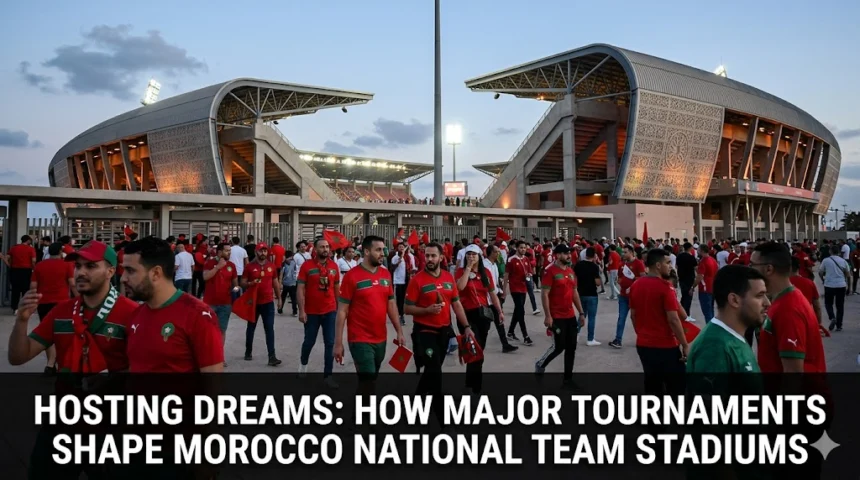
Morocco’s rich footballing history is inextricably linked to its ambitious quest to host major international tournaments. This drive has had a profound and transformative impact on the nation’s stadia, compelling continuous upgrades, expansions, and construction of world-class venues. From the famous roar of Casablanca to modern arenas across the kingdom, the dream of hosting has served as the catalyst for significant infrastructure investments, reshaping both the physical landscape and global standing of Moroccan football. These developments have elevated the Atlas Lions’ home grounds to international standards, creating worthy stages for continental and global competition.
Morocco’s Bid Ambitions: A Catalyst for Stadium Projects
For decades, Morocco has pursued the dream of bringing the world’s premier football events home. This ambition, spanning multiple bids for the FIFA World Cup and Africa Cup of Nations (AFCON), has driven the evolution of its stadium infrastructure. Each bid—successful or not—has prompted extensive planning, architectural innovation, and commitments to upgrade existing facilities or construct new ones.
Hosting these events represents more than prestige; it is a strategic national project demonstrating Morocco’s organizational capabilities and passion for football. FIFA and CAF impose rigorous standards on host nations, directly requiring state-of-the-art stadiums. This drives design innovation and construction efficiency throughout the country. The ongoing commitment to excellence is evident in preparations for upcoming events. To read more about these plans, see Morocco’s World Cup Bid: Future Stadium Plans and Upgrades Revealed.
The AFCON Effect: Elevating Moroccan Stadium Standards
The Africa Cup of Nations has been a major catalyst for developing Moroccan stadiums, serving as a regular benchmark for infrastructure quality. Hosting this continental event demands significant improvements to meet CAF standards and provide world-class facilities for players, officials, and supporters.
AFCON 1988: Setting the Stage
The 1988 Africa Cup of Nations marked an important milestone for Moroccan football infrastructure. The tournament required host cities to provide stadiums suitable for international competition, prompting major upgrades to venues that had largely remained unchanged for decades. Key facilities such as Mohammed V Stadium in Casablanca and Prince Moulay Abdellah Stadium in Rabat underwent substantial improvements, setting a precedent for future development. The experience proved invaluable and influenced subsequent stadium policies across the nation.

AFCON 2025: A New Era of Modernization
The upcoming AFCON 2025 represents a significant opportunity for stadium upgrades nationwide. Following its successful bid to host the tournament, Morocco has launched an ambitious program to renovate and expand existing stadiums while potentially constructing new venues. This effort includes comprehensive overhauls of facilities such as Prince Moulay Abdellah Stadium in Rabat and Mohammed V Stadium in Casablanca.
The initiative focuses on increasing seating capacity, enhancing spectator comfort through modern amenities, improving accessibility, and integrating advanced broadcast and security technologies. The goal is ensuring Morocco’s stadiums not only meet CAF requirements but exceed them, creating unforgettable experiences for teams and fans while establishing a legacy for future generations of Moroccan footballers.
World Cup Bids: Ambitious Vision and Major Projects
Morocco’s repeated bids to host the FIFA World Cup have been perhaps the most ambitious driver of stadium development, compelling the nation to envision larger and more sophisticated facilities.

Prior Bids and Proposed Stadiums
Over the years, Morocco has submitted numerous World Cup bids for 1994, 1998, 2006, 2010, and 2026. Although unsuccessful, each bid produced detailed plans for new stadiums and major renovations of existing venues. These proposals featured futuristic designs, expanded capacities, and integrated urban development projects surrounding proposed sites. Even as conceptual efforts, they challenged Moroccan authorities and architects to think ambitiously about sports infrastructure possibilities. The expertise, architectural visions, and strategic planning from these bids continue guiding present-day stadium projects.
2030 World Cup Bid: A Game-Changer
The successful joint bid of Morocco, Spain, and Portugal to host the 2030 FIFA World Cup represents an unprecedented opportunity for infrastructure transformation. This historic achievement requires massive investment and comprehensive overhaul of the country’s sports venues. The World Cup demands significantly more than other tournaments, including multiple large-capacity stadiums (minimum 40,000 for group matches, larger for finals), cutting-edge technology, hospitality zones, and sophisticated logistics.
This winning bid will enable construction of entirely new, large-scale stadiums, including the eagerly anticipated Grand Stade de Casablanca, destined to be among the world’s largest. Existing major venues will undergo complete renovation to meet FIFA’s exacting standards. This commitment will position Morocco with a portfolio of world-class stadiums capable of hosting elite international football.
Stadiums at the Forefront of Tournament Transformation
Morocco’s major stadiums have continuously evolved to meet tournament requirements, with their development reflecting the nation’s sporting advancement.
Stade Mohammed V, Casablanca
The Mohammed V Stadium stands as the spiritual home of Moroccan football. Its numerous transformations have been driven by tournament hosting needs, with construction and renovations often coinciding with international matches or continental events. Ahead of AFCON 2025 and the 2030 World Cup, the stadium is undergoing major renovation to update facilities, enhance spectator experience, and meet contemporary safety and technology standards. Plans include capacity adjustments, improved seating, and state-of-the-art media facilities, maintaining its status as a premier venue.
Stade Prince Moulay Abdellah, Rabat
A cornerstone of Moroccan football infrastructure, Prince Moulay Abdellah Stadium has regularly hosted major national and international matches and undergone continuous upgrades. Its recent major renovation in preparation for events such as the FIFA Club World Cup demonstrates its adaptability. Further modernization is planned for AFCON 2025 and the 2030 World Cup, optimizing its design for large-scale events, enhancing accessibility, and integrating advanced smart stadium technologies, solidifying its role as a key venue for international competition.

Stade de Marrakech
This relatively modern multi-purpose stadium already boasts contemporary facilities. However, even newer venues require upgrades when major tournaments beckon. Anticipated improvements include enhanced hospitality, expanded media zones, and minor capacity adjustments to satisfy FIFA and CAF requirements. Its modern design positions it as a strong candidate for hosting significant matches, requiring fewer structural changes while still benefiting from technological advances and service enhancements.
New Stadiums on the Horizon
The 2030 World Cup bid has prompted both new stadium construction and existing venue upgrades. Most prominent is the Grand Stade de Casablanca, a large-scale project featuring a capacity exceeding 90,000 and designed as an architectural landmark and global symbol of Moroccan football. Other cities will likely receive new stadiums or major redevelopments to fulfill extensive hosting requirements, distributing world-class venues geographically throughout the kingdom.
Beyond the Pitch: Economic and Social Impacts
Stadium development for major tournaments generates considerable economic and social benefits extending throughout the nation.
Economic Development and Job Creation
Morocco’s economy benefits substantially from hosting major tournaments. Stadium construction and renovation create thousands of direct and indirect jobs in construction, engineering, design, and related sectors. Once operational, the tournaments themselves generate tourism, hospitality, and retail activity, with hotels, restaurants, transportation services, and local businesses all experiencing significant benefits and increased revenue. This activity represents excellent return on investment for stadium projects. To understand how this enhances the fan experience, see Hospitality and Fan Zones at Morocco National Team Stadiums: An Enhanced Experience.
Enhanced Reputation and Global Visibility
Successfully hosting tournaments of this magnitude strengthens Morocco’s image and prestige internationally. It demonstrates organizational prowess, modern infrastructure, and welcoming culture to global audiences. This visibility can attract foreign investment, foster international partnerships, and boost long-term tourism, positioning Morocco as a capable and attractive destination for major worldwide events beyond football.
Community Development and Lasting Legacy
Stadium projects often catalyze broader urban regeneration, delivering improved transport infrastructure, enhanced public amenities, and new commercial development to local areas. These venues leave a permanent legacy of world-class facilities available to local clubs, youth academies, and community events, encouraging sports participation and healthy lifestyles. Stadiums become symbols of national pride and community gathering places, establishing an enduring connection between sport and society. For more comprehensive historical context, read From Past to Present: A History of the Morocco National Team’s Home Grounds.
Stadium Development: Addressing Challenges and Ensuring Sustainability
While benefits are substantial, stadium development for major tournaments presents significant challenges regarding funding, maintenance, and long-term viability.
Funding and Ongoing Maintenance
Constructing and upgrading world-class stadiums requires enormous financial investment. Securing necessary funding—typically combining government budgets, private partnerships, and international loans—presents considerable difficulty. Beyond initial construction, ongoing maintenance of large facilities demands sustained financial commitment and effective management to preserve international standards for decades.
Post-Tournament Utilization
A primary concern is preventing stadiums from becoming underutilized “white elephants” after major events conclude. Morocco addresses this through multi-purpose design, enabling venues to host concerts, cultural events, and other sports beyond football. Long-term viability depends on integrating stadiums into the national sports ecosystem, serving as home grounds for top-tier clubs and national teams, thereby creating lasting value beyond tournament periods.
Conclusion
The impact of major tournaments on Moroccan stadiums is profound and transformative for the nation’s sporting environment. Morocco’s hosting ambitions have consistently driven infrastructure development, from foundational work for past AFCONs to visionary planning for the 2030 FIFA World Cup. These initiatives have provided the Atlas Lions and international competitions with world-class venues while stimulating economic growth, enhancing global visibility, and promoting community development. Morocco’s commitment to building and maintaining modern stadiums remains central to national sports policy, with attention to future hosting opportunities and enduring legacy. This dedication is essential for sustaining excellence in the stadiums and home grounds of the Morocco National Team.
Frequently Asked Questions
What effect do major tournaments have on Morocco’s stadium renovations?
Major tournaments, particularly AFCON and the FIFA World Cup, impose stringent requirements regarding stadium capacity, safety, pitch quality, media facilities, and hospitality areas. These demands compel Morocco to undertake substantial renovations and modernizations, bringing older stadiums to international standards while incorporating advanced technologies.
How does the 2030 World Cup bid shape Morocco’s stadium future?
The successful 2030 World Cup bid is the most significant factor in Morocco’s stadium development strategy. It enables construction of new high-capacity stadiums, including the Grand Stade de Casablanca, and complete renovation of existing major venues to meet FIFA standards and host elite international football.
Which Moroccan stadiums are most affected by major tournament hosting ambitions?
Principal impact falls on major venues including Mohammed V Stadium in Casablanca, Prince Moulay Abdellah Stadium in Rabat, and Stade de Marrakech. These facilities undergo continuous upgrades and renovations to meet continental and global event requirements.
What broader implications does hosting major tournaments carry for Morocco beyond infrastructure?
Beyond physical infrastructure, hosting tournaments generates significant economic benefits through tourism and employment, elevates Morocco’s global reputation and visibility, and creates improved urban infrastructure and community development legacies around stadium sites.
How does Morocco ensure stadium sustainability following major tournaments?
Morocco’s sustainability approach emphasizes multi-purpose stadium design for concerts and other sports alongside football. Long-term viability depends on integrating venues into the national sports ecosystem as home grounds for clubs and national teams, coupled with effective maintenance practices.