Beyond the Atlas Lions: Morocco’s AFCON Fan Culture and Support
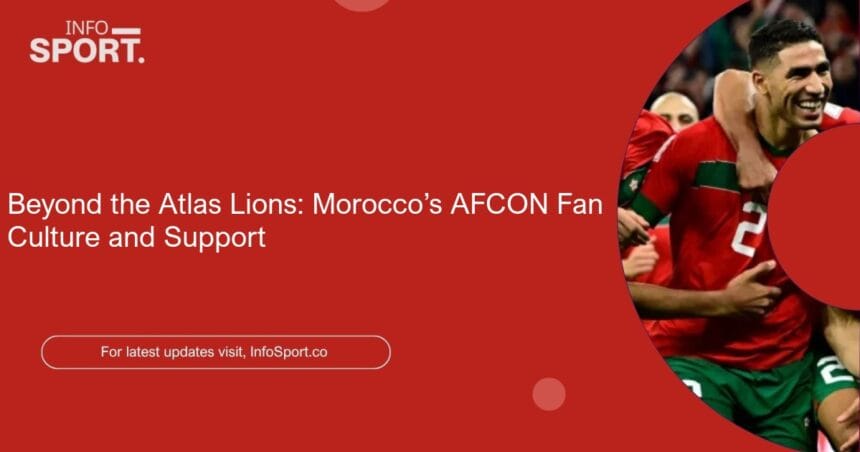
The roar of the crowd, the vibrant sea of red and green, and the unwavering chants that echo through stadiums—these hallmarks define Morocco’s Africa Cup of Nations (AFCON) Record and its passionate supporters. While the Atlas Lions battle on the pitch, the fans provide the crucial twelfth man, a force of nature embodying national pride, hope, and an unbreakable bond with their team. This article explores the rich tapestry of Moroccan football support, examining its history, traditions, global reach, and the profound impact it has on the team’s journey in Africa’s most prestigious tournament.
For Moroccans, AFCON transcends mere competition; it is a national event that galvanizes communities at home and across the diaspora. The passion ignited by the Atlas Lions becomes a powerful expression of identity and collective spirit, essential to understanding Morocco’s presence on the African football stage.
The Heartbeat of the Nation: Understanding Morocco AFCON Fan Culture
The foundation of this unique support stems from a deep-seated love for football, a sport long intertwined with the nation’s social fabric. From bustling souks to quiet villages, the beautiful game remains a daily topic of conversation, a source of both joy and heartbreak. This inherent passion intensifies exponentially when the national team takes the field, particularly during major tournaments like AFCON.
Moroccan football enthusiasts are known for fervent dedication, often traveling great distances and making significant sacrifices to support their team. This commitment, shaped over decades by the Atlas Lions’ triumphs and tribulations, draws strength from collective memory of past campaigns, including their historic 1976 AFCON Triumph, which fuels an enduring sense of hope and loyalty.
Historical Roots of Moroccan Football Fandom
Football arrived during the colonial era and quickly took root as a popular pastime. Early local clubs fostered regional rivalries, but the emergence of a national team provided a unifying symbol. As Morocco gained independence, football became a powerful tool for national identity and pride. The Atlas Lions’ early international successes, including their first AFCON title, solidified the bond between team and supporters.

Through the years, generations have passed down their love for the team, creating a continuous thread of support. Grandparents recount tales of legendary players and memorable matches, instilling the same passion in their descendants. This intergenerational transmission of devotion forms a cornerstone of the culture, ensuring its vibrancy and longevity.
Football as a Unifying Force in Moroccan Society
In a diverse nation, football serves as a powerful unifying force. During AFCON, regional differences fade as people from all walks of life gather under the national banner. Whether watching in crowded cafes, family homes, or packed stadiums, the collective experience fosters belonging and shared purpose. This unity becomes particularly evident during moments of national celebration or collective disappointment, where emotions are openly shared and processed as one.
The Atlas Lions represent more than athletics; they embody national aspirations and resilience. Every goal, save, and victory is celebrated as a collective achievement, reinforcing the belief that together, anything is possible. This deep societal integration of football is what makes the culture so unique and impactful.

A Sea of Red and Green: Visuals and Atmosphere
When the Atlas Lions play, stadiums transform into a breathtaking spectacle of red and green—Morocco’s national colors. This visual display creates an intimidating yet inspiring atmosphere for both players and opponents, arising from the coordinated efforts of fan groups and spontaneous expressions of joy.
The Stadium Experience: Chants, Banners, and Tifo Displays
Inside the stadium, Moroccan supporters become a formidable force. Chants, often based on traditional music or adapted from popular songs, are sung with incredible volume and coordination. These are not merely noise but calls to action, expressions of encouragement, and sometimes playful taunts toward opponents. Rhythmic drumming and traditional instruments like the vuvuzela add to the sensory experience.
Hand-painted banners adorned with intricate designs and patriotic messages fill the stands. Elaborate tifo displays, covering entire sections with meticulous planning, are orchestrated by organized fan groups. These giant mosaics depict national symbols, legendary players like those discussed in Key Players: The Legends Who Shaped Morocco’s AFCON Journey, or motivational slogans, showcasing supporter creativity and dedication while capturing global attention.
Colors and Symbols: The Atlas Lion and the Moroccan Flag
The Moroccan flag, with its vibrant red background and green pentagram (Seal of Solomon), remains omnipresent. Fans wear it, wave it, and incorporate it into their attire. The Atlas Lion, the national animal and team moniker, is equally potent. Images of strength, courage, and pride are emblazoned on jerseys, flags, and banners, reinforcing identity and creating a unified visual language.
Red and green carry deep symbolic meaning, representing courage, strength, and the lushness of the land. When thousands gather in these colors, they become a living, breathing emblem of national unity and fierce loyalty—instantly recognizable and a source of immense pride for Moroccans worldwide.
From Casablanca to the Diaspora: Global Reach of Morocco AFCON Fan Culture
Support for the Atlas Lions extends far beyond Morocco’s borders. Thanks to a large, vibrant diaspora, this culture has truly global reach. Whether in Rabat or Rotterdam, Marrakech or Montreal, Moroccan fans gather to cheer their team, creating pockets of intense support wherever they reside.

Support Within Morocco: Major Cities and Local Club Influences
Within the country, major cities like Casablanca, Rabat, Fes, and Tangier become epicenters of AFCON enthusiasm. Local club rivalries, incredibly intense during the domestic season, are temporarily set aside as fans unite behind the national team. The passion cultivated through supporting clubs like Wydad AC or Raja CA seamlessly transitions into fervent national support. Public squares and cafes fill with crowds watching on large screens, creating electric communal experiences.
The atmosphere in these urban centers during tournaments is unparalleled. Streets are decorated, car horns blare after victories, and spontaneous celebrations erupt, demonstrating the collective joy of Moroccan supporters. This domestic foundation forms the bedrock of the entire culture.
The Moroccan Diaspora: Maintaining Support Abroad
Millions of Moroccans live abroad, particularly in Europe (France, Belgium, Netherlands, Spain, Italy) and North America. For these communities, supporting the Atlas Lions maintains a vital link to their homeland and expresses cultural identity powerfully. During tournaments, community centers, cafes, and dedicated fan zones in cities like Paris, Amsterdam, or Brussels become hubs of activity. Fans gather in large numbers, dressed in national colors, waving flags and singing chants, recreating the stadium atmosphere thousands of miles away.
The diaspora’s support transcends mere cheering; it maintains connection to roots and shares heritage with younger generations, testifying to football’s enduring power to unite people across continents and sustain cultural bonds. This global network significantly amplifies the reach and impact of Moroccan fan culture.
Organized Fan Groups and Their Role
Both domestically and internationally, organized fan groups coordinate crucial support. These ultras groups, known for elaborate choreographies and relentless chanting, set the tone for entire stadiums. They meticulously plan tifo displays, organize travel for away matches, and ensure the team feels supported regardless of venue.
These groups maintain strong social media presence, allowing rapid and effective fan mobilization. Their dedication and organizational skills keep the culture dynamic, innovative, and consistently impactful, contributing significantly to the overall experience.
Rituals and Superstitions: The Unseen Elements of Morocco AFCON Fan Culture
Beyond visible displays of passion, this culture is rich in rituals and superstitions—unseen elements reflecting a blend of cultural traditions, spiritual beliefs, and the inherent desire to influence outcomes. They add depth to fan experience, making it deeply personal and communal.
Pre-Match Rituals: Gatherings, Prayers, and Specific Foods
For many Moroccan fans, matchday begins hours before kick-off with specific rituals. Families and friends gather, often sharing traditional meals like tagine or couscous, turning the event into a social occasion filled with anticipation and discussion. Prayers for team success are common, reflecting the spiritual dimension of Moroccan society.
Personal routines are widespread—wearing a specific jersey, sitting in a particular spot, or listening to certain songs. While seemingly small, these contribute to mental preparation for the emotional intensity of football. They allow fans to feel connected to the team and believe they are contributing to its success.
Superstitions: Lucky Charms and Avoiding Jinxes
Superstitions permeate this culture. Fans might wear a “lucky” scarf or avoid actions they believe could “jinx” the team. Discussing victory prematurely is seen as tempting fate. A collective belief prevails that positive energy and shared good wishes influence outcomes, while negative thoughts or actions produce adverse effects.
While not unique to Morocco, this aspect is deeply ingrained, reflecting cultural inclination toward belief in unseen forces and the power of intention. It adds emotional drama from first whistle to final, heightening investment in every moment.
Beyond the 90 Minutes: Community and Identity
The impact extends far beyond the final whistle. Football provides a powerful platform for community building, national pride, and identity expression—a shared narrative binding people together regardless of background.
Football as a Unifying Force and Expression of National Pride
Football serves as a potent unifier, with tournament victories igniting widespread national pride. The Atlas Lions’ success reflects the nation’s strength and potential. This collective pride manifests in spontaneous street celebrations, jubilant car parades, and euphoria sweeping across the country and diaspora.
Even in defeat, national solidarity remains strong. Though disappointed, fans typically express renewed hope and determination for subsequent tournaments, testifying to resilience rooted in deep emotional investment.
Impact on Youth and Future Generations
The displayed passion profoundly influences younger generations. Children grow watching parents and communities celebrate, inheriting fervent support and creating a continuous cycle. This ensures the legacy of Moroccan football endures. Young aspiring players are inspired by pitch heroes and crowd roar, dreaming of wearing the national jersey.
Stories of legendary players and memorable moments, like those in Morocco’s Top 5 AFCON Performances Beyond Their 1976 Victory, become national folklore, shaping youth aspirations and identities. This cultural transmission sustains an engaged fan base for generations.
Key Moments and Iconic Displays of Morocco AFCON Fan Culture
Throughout AFCON history, the culture has provided countless memorable moments. These instances of extraordinary support often coincide with the team’s most significant performances, creating a symbiotic relationship between supporters and players.
The 1976 Triumph and Its Aftermath
Morocco’s sole AFCON title in 1976 remains legendary in national football history. The unprecedented celebrations cemented the Atlas Lions’ place in Moroccan hearts. The jubilant scenes, detailed in The Golden Generation: Morocco’s 1976 AFCON Triumph Explained, showcased raw, unbridled joy of a nation united in victory. This triumph set expectations and celebrations’ benchmarks, becoming a touchstone for future supporter generations.
Recent World Cup Success and AFCON Expectations
While focused on AFCON, Morocco’s historic 2022 FIFA World Cup semi-final run significantly amplified global recognition of Moroccan fan culture. The incredible support in Qatar, with thousands creating a home-away-from-home atmosphere, was a precursor to heightened expectations for subsequent AFCON tournaments. This success instilled newfound confidence and pride, further energizing supporters as they believe their team can genuinely compete for continental glory, seeking to end the long wait since 1976—a topic explored in Why Morocco Hasn’t Won AFCON Since 1976: A Deep Dive into Challenges.
Memorable Matches and Fan Dedication
Numerous AFCON matches have witnessed exceptional supporter dedication. Whether traveling in vast numbers to host nations, creating deafening atmospheres in crucial group encounters, or rallying after difficult losses, commitment remains unwavering. Passionate support in games against North African rivals, detailed in Morocco’s AFCON Record Against North African Rivals: Who Dominates?, often reaches fever pitch, intensifying the overall experience.
Challenges and Evolution of Morocco AFCON Fan Culture
Like any vibrant cultural phenomenon, this culture faces challenges and undergoes continuous evolution. Adapting to modern trends while preserving traditional values is key to sustained success.
Dealing with Defeats and Long Waits for Success
Despite unwavering support, fans have experienced disappointments. The long wait for a second title since 1976 has tested patience. However, even in defeat, the core remains resilient. Frustration is typically followed by renewed hope and determination for future tournaments. This ability to bounce back and maintain optimism defines Moroccan supporters.
Modernization: Social Media’s Role and Digital Engagement
Social media has significantly impacted this culture. Platforms like Facebook, Twitter, Instagram, and TikTok enable connection, opinion-sharing, event organization, and real-time match reactions. This engagement amplifies fan voice, creates global communities, and provides creative expression platforms—memes, videos, and fan art. It also facilitates direct player and team interaction, fostering closer bonds.
Official channels and fan pages become vital information sources and community hubs, enhancing experience and extending culture to younger, digitally native audiences.
Ensuring Safe and Inclusive Fan Environments
A crucial challenge is ensuring safe, inclusive, welcoming environments. Moroccan authorities and fan groups increasingly focus on promoting positive behavior, discouraging hooliganism, and making stadiums family-friendly spaces. This commitment to creating respectful, vibrant atmospheres is essential for continued growth and positive international representation.
Conclusion
Morocco’s fan culture represents a vibrant, passionate, and deeply ingrained aspect of national identity. From thunderous stadium chants to global diaspora gatherings, supporters embody unwavering loyalty and profound connection to the Atlas Lions. Their collective energy, hope, and pride serve as constant inspiration, pushing the team toward excellence in every tournament.
Beyond on-pitch results, this culture testifies to football’s unifying power, weaving together generations, communities, and national aspirations. As the Atlas Lions pursue continental glory, their nation’s heartbeat—amplified by incredible support—will undoubtedly remain a defining force, adding fresh chapters to Morocco’s Complete AFCON Record: A Historical Overview.
FAQ Section
What makes Morocco AFCON fan culture unique?
Morocco’s fan culture stands out due to deep historical roots, a blend of traditional rituals and modern expressions, and extensive global reach through a passionate diaspora. The unwavering loyalty, vibrant visual displays of red and green, and collective chanting create an unforgettable, highly emotional atmosphere transcending typical sports fandom.
How does the Moroccan diaspora contribute to AFCON fan culture?
The diaspora plays a crucial role extending fan culture globally. Communities in Europe, North America, and beyond organize gatherings, create fan zones, and passionately support the Atlas Lions from afar. This global network amplifies team support while serving as a vital link for Moroccans abroad to connect with heritage and national identity.
Are there specific rituals or superstitions associated with Morocco AFCON fan culture?
Yes, many fans engage in pre-match rituals including communal meals, prayers for team success, and wearing specific “lucky” clothing. Superstitions are also common, with fans avoiding actions they believe could “jinx” the team, reflecting a blend of cultural traditions and desire to positively influence outcomes.
How has social media impacted Morocco AFCON fan culture?
Social media has significantly modernized and expanded the culture. Platforms enable connection, opinion-sharing, support organization, and real-time match reactions. Digital engagement creates global communities, amplifies fan voices, and provides creative expression platforms, fostering closer bonds between supporters and the national team.
What role do local club rivalries play during AFCON tournaments?
During AFCON, intense domestic rivalries are largely set aside. Fans of competing clubs unite under the national banner, supporting the Atlas Lions. This unity highlights football’s power as a unifying force in Moroccan society, bringing people together for a common national cause.