
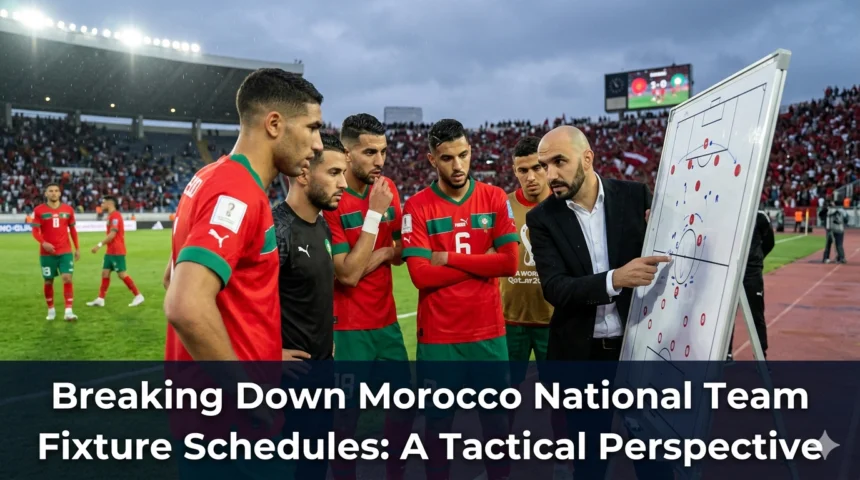
Understanding Morocco’s National Team Fixture Landscape
The journey of any national football team is shaped not just by talent and strategy but significantly by its fixture schedules. For the Atlas Lions, understanding these fixtures is crucial for both fans and tactical analysts. These schedules are more than just lists of dates and opponents; they are complex puzzles that coaches must solve to optimise player performance, manage fatigue, and achieve strategic objectives. From high-stakes World Cup qualifiers to crucial AFCON tournaments and preparatory friendlies, every match plays a vital role in shaping the team’s trajectory and tactical evolution. This article explores how these calendars influence squad selection, game plans, and overall national team development, revealing how different competition types demand distinct approaches throughout the footballing year.
Morocco’s schedule is dynamic and demanding, packed with major tournaments such as the Africa Cup of Nations (AFCON) and FIFA World Cup qualifications, along with strategically selected international friendlies. These friendlies test new tactics, integrate emerging talent, and provide crucial match practice against diverse opponents. Managing this diverse set of fixtures requires sophisticated planning that accounts for travel, climate variations, and player availability from their respective clubs. Each fixture type presents unique challenges and opportunities for the coaching staff, demanding flexibility and foresight in tactical preparations. A comprehensive overview can be found in the Morocco National Team Fixture Calendar, which highlights the key periods of activity for the Atlas Lions.
World Cup Qualifiers: The Road to Global Glory
World Cup qualifiers represent the pinnacle of international football for many nations, including Morocco. These high-pressure encounters determine participation on the global stage, where every point proves vital. The scheduling of these fixtures carries profound tactical implications. Qualifiers often occur in tight windows, sometimes requiring two matches within a week, which demands quick recovery and tactical adaptation. The sequence of home and away games, travel distances, and varying climates across Africa all contribute to the complexity of planning. Coaches must carefully consider squad rotation to manage fatigue and prevent injuries, especially when key players are travelling long distances from European clubs. Detailed information about Morocco’s path to the next tournament is available in Morocco’s World Cup Qualifiers Fixtures.
Tactical Implications of Qualifier Scheduling
The scheduling of World Cup qualifiers directly influences tactical decisions. Consecutive matches within short timeframes necessitate a deep, capable squad. Coaches often rotate players to maintain freshness, particularly in physically demanding positions. Home matches provide the advantage of familiar surroundings and passionate fan support, offering significant psychological benefits. Away games, especially in challenging environments, require a more robust tactical approach that often prioritises defensive stability and counter-attacking opportunities. The travel burden on players from European clubs also impacts preparation time and energy reserves. Managing these factors effectively is crucial for sustained performance across qualification campaigns.
AFCON: Continental Challenges and Competition
The Africa Cup of Nations holds immense significance for Morocco as the continent’s premier football competition. AFCON qualifiers are a regular fixture in the calendar, often running concurrently with World Cup qualifiers and creating periods of intense fixture congestion. This dual qualification demand places substantial strain on player resources and tactical planning. When qualifying for the tournament itself, considerations shift to managing a compressed schedule, with group-stage matches often every few days followed by knockout rounds. The climate in host nations significantly affects player stamina and requires specific training and game strategy adaptations. Further insights into these continental challenges are available in AFCON 2025 Qualifiers: Morocco National Team Fixtures & Group Stage Analysis.

Adapting Tactics to AFCON Fixtures
AFCON tournaments present distinctive tactical challenges. The typically hot and humid conditions in host countries necessitate careful management of player hydration and energy expenditure. Coaches often adopt more conservative approaches in later game stages to preserve stamina. The rapid succession of matches also limits scope for extensive tactical overhauls; focus instead shifts to minor adjustments and effective recovery protocols. Squad depth becomes paramount, allowing rotation without significant quality loss. Furthermore, AFCON’s January/February timing means key players are pulled from European clubs mid-season, requiring careful negotiation and management by national team staff.
International Friendlies: Strategic Development
Beyond competitive qualifiers and tournaments, international friendlies form a vital component of the fixture calendar. While these matches carry no competitive points, they prove invaluable for strategic preparation and team development. The coaching staff gains opportunities to experiment with formations, integrate debutants, and test tactical variations against different playing styles. Friendlies create a lower-pressure environment for assessing player combinations, evaluating fitness, and building team cohesion. They’re particularly useful for refining strategies before major tournaments and providing game time to squad players with limited competitive opportunities. Upcoming schedules for these preparatory matches can be found in Morocco National Team Friendlies: Upcoming Schedule and Opponents.
Selecting Opponents and Timing
Choosing opponents for friendlies involves highly strategic consideration. Coaches often seek teams that mimic playing styles of upcoming competitive opponents or possess specific strengths and weaknesses to test. For instance, facing a strong European team might prepare Morocco for a technically gifted African side, while playing a physically robust team could simulate challenging qualifiers. Timing is equally important. Friendlies scheduled during international breaks allow the coaching staff to regroup and focus on specific aspects when players are available. Pre-tournament friendlies are crucial for building match fitness and refining final squad selections, ensuring optimal preparation for competitive encounters.

Analysing Recent Fixtures: Performance and Evolution
Retrospective analysis of recent matches offers valuable insights into the team’s performance trends, tactical evolution, and how they’ve navigated demanding schedules. Examining match results, goal statistics, and player performances across different competitive contexts reveals patterns that highlight strengths and areas for improvement. This review often demonstrates the coaching staff’s ability to adapt tactics to various opponents and manage player welfare through intense periods. Understanding how the team has performed in past campaigns is key to predicting future success and understanding the current tactical approach. Comprehensive performance reviews are available in Recent Morocco National Team Match Results: Performance Review, with specific game insights found in Post-Match Analysis: What We Learned from Morocco’s Last Game.
Key Insights from Past Cycles
Reviewing previous fixture cycles reveals consistent patterns. Morocco has demonstrated resilience in navigating back-to-back qualifiers, showing good squad depth and tactical flexibility. Periods of intense travel and multiple games in different climates have sometimes tested player endurance, though the team has generally maintained competitive levels. The ability to secure crucial points in away fixtures, particularly in challenging African venues, has marked successful campaigns. Analysis also identifies instances where fixture congestion affected performance or increased injuries, prompting the coaching staff to refine squad management strategies. Consistent performance against top-tier opponents in friendlies likewise indicates readiness to compete at the highest level.
Fixture Schedules and Player Welfare
The demanding nature of international football places significant stress on player welfare. Elite footballers often play high volumes of matches for both club and country, increasing fatigue, burnout, and injury risks. For Morocco, managing these challenges is paramount. The coaching and medical staff work collaboratively to monitor player load, implement effective recovery strategies, and ensure optimal physical and mental conditioning. This involves careful communication with club teams, personalised training programs, and judicious rotation. The goal is to maximise player availability and performance while safeguarding long-term health and careers. A well-managed squad remains resilient and capable of consistent performance under pressure.
Optimising Squad Rotation
Squad rotation serves as a critical tactical tool for navigating demanding schedules. It allows coaches to rest key players, provide opportunities for fringe squad members, and adapt to specific opponent strengths. Morocco must maintain a deep pool of talent capable of stepping in without significant quality reduction. Coaches balance the need for consistency and team chemistry with the imperative to manage player fatigue. During periods of intense fixtures, such as back-to-back qualifiers or tournament group stages, strategic rotation ensures players remain fresh for crucial matches. It also helps integrate younger players into the senior squad, providing valuable experience and preparing them for future leadership roles. This careful resource management distinguishes successful national teams.
Looking Ahead: Future Challenges and Planning
The future of Morocco’s national team is continuously shaped by upcoming fixture schedules. Strategic planning for these challenges involves meticulous analysis of potential opponents, travel logistics, and player availability. The coaching staff must anticipate the demands of future World Cup and AFCON qualification cycles, as well as opportunities presented by international friendlies. This forward-looking approach ensures the team consistently prepares for the next significant challenge. Fans can find comprehensive scheduling information in Morocco National Team Fixtures 2024: Full Schedule & Match Dates and learn how to watch matches live in Where to Watch Morocco National Team Matches Live. For specific matchups, detailed previews such as Morocco vs [Specific Opponent] Match Preview offer in-depth analysis.
Data and Analytics in Preparation
Modern football increasingly relies on data and analytics for match preparation. Sports scientists monitor players’ physical loads, recovery rates, and injury risks using advanced tracking technology. Performance analysts meticulously study opponent tactics, individual player attributes, and historical data from previous encounters. This data-driven approach informs tactical decisions, squad selection, and training methodologies, enabling evidence-based choices about rotation, game plans, and travel schedules. By leveraging these insights, the Moroccan national team gains a competitive edge, ensuring optimal preparation for every match on their demanding calendar.
More Read

Conclusion
Morocco’s fixture schedules represent far more than a list of games; they form the framework upon which tactical decisions, player welfare, and national ambitions are built. From the intense pressure of World Cup qualifiers to the strategic importance of friendlies, each match presents unique challenges and opportunities for the Atlas Lions. The coaching staff’s ability to navigate these complex calendars, manage player fatigue, and adapt to diverse opponents proves crucial for sustained success. As Morocco continues its quest for global and continental glory, understanding the tactical implications of its fixture schedules remains central to appreciating its journey. Meticulous planning and execution behind each game truly drive the team forward, making every fixture a vital step in their ongoing evolution.
FAQ
What types of competitions are included in the Morocco national team fixtures?
The fixtures typically include FIFA World Cup qualifiers, Africa Cup of Nations (AFCON) qualifiers, AFCON tournaments, and international friendly matches. These competitions form the core of their annual schedule.
How do fixture schedules impact the team’s tactical approach?
Schedules significantly influence tactical decisions by determining player availability, managing fatigue from travel and back-to-back matches, and guiding squad rotation choices. Coaches must adapt strategies based on opponents, match location, and proximity to other fixtures.
Why are international friendlies important for the team?
Friendlies provide opportunities to test new tactics, integrate emerging players, evaluate squad depth, build team cohesion, and refine preparations for competitive matches without the pressure of competitive points.
How does the team manage player welfare with demanding schedules?
Management involves careful monitoring of player load, implementing robust recovery protocols, strategic squad rotation, and close communication with club teams. The goal is to minimise injury risk and optimise performance throughout demanding schedules.
Where can fans find current information on Morocco’s national team fixtures?
Fans can access up-to-date fixture information through official football federation websites, reputable sports news outlets, and dedicated fan sites. For specific dates and times, refer to Morocco National Team Fixtures 2024: Full Schedule & Match Dates.