Morocco National Team Fixtures: What it Means for Domestic Leagues
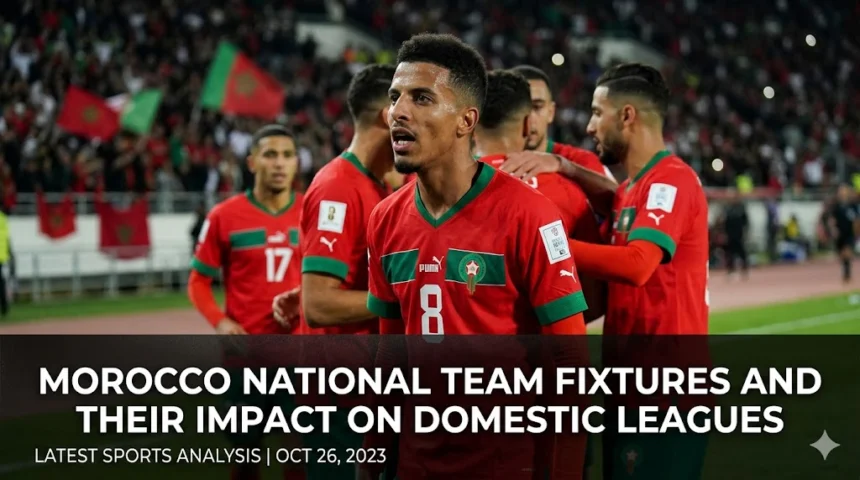
The Moroccan national team, nicknamed the Atlas Lions, represents a source of national pride and considerable interest regarding both performance and scheduling. The Morocco national team fixtures extend beyond international matches alone, encompassing essential World Cup qualifiers, high-stakes AFCON tournaments, and strategic friendlies. Such commitments inevitably create significant ripple effects throughout Morocco’s domestic football landscape, particularly within the Botola Pro 1 and 2 leagues. Understanding this intricate relationship proves essential to appreciating football development across the country.
The national team’s calendar is meticulously crafted by the Royal Moroccan Football Federation (FRMF) in collaboration with FIFA and CAF, yet its implementation often presents considerable challenges for local clubs. When key players receive call-ups to national duty, clubs must adapt their strategies and manage their squads accordingly. This article examines the various effects of the national team’s schedule on domestic competitions, exploring the logistical, financial, and sporting implications.
The Calendar Challenge: Club and National Duties
The football calendar encompasses numerous competitions with international breaks designed to allow national teams to assemble. However, these breaks often create temporary losses of star players for domestic leagues, presenting a unique set of challenges and opportunities. The Morocco national team fixture calendar substantially influences this rhythm.
FIFA International Breaks: A Necessary Interruption
FIFA’s international match windows are designated periods during which clubs must release players for national team duty. Occurring several times annually, these windows facilitate competitive fixtures such as World Cup and AFCON qualifiers, alongside important friendly matches. While providing a clear framework, they inevitably disrupt the rhythm of domestic league competitions.
For Moroccan clubs with numerous national team representatives, these windows necessitate breaks in league schedules or require competition without key players. This can result in inconsistent team performances and affect league standings, particularly for title contenders or teams battling relegation.
More Read

AFCON & World Cup Qualifiers: The Prime Impact Windows
Morocco’s most significant international competitions are the African Cup of Nations (AFCON) and FIFA World Cup qualifiers. These periods feature greater intensity and increased call-ups, often including players from both Moroccan and foreign clubs. With stakes running high and worldwide attention focused on these matches, the impact on domestic leagues proves substantial.
During qualifying campaigns, the Botola Pro leagues feel the effects most acutely. Extended absences—sometimes lasting weeks—occur when the national team enjoys successful runs or faces busy schedules of consecutive qualifiers. This places considerable strain on club squad depth and resilience, forcing coaches to develop younger talent and utilize fringe players.
For detailed information on upcoming qualifiers, readers can consult Morocco’s World Cup Qualifiers Fixtures: Path to the Next Tournament and AFCON 2025 Qualifiers: Morocco National Team Fixtures & Group Stage Analysis.

Friendlies: Tactical Development
Beyond competitive matches, the Moroccan national team participates in friendly fixtures that, while lacking the weight of qualifiers, serve important purposes: building team chemistry, testing tactics, and integrating new players into the squad. Such matches also provide valuable tournament preparation.
Although friendlies typically occur outside critical league periods, they can still cause fatigue and injury to players, affecting clubs upon their return. Conversely, these matches provide Moroccan players with international exposure and experience, enhancing their market value and overall development. For upcoming fixture details, visit Morocco National Team Friendlies: Upcoming Schedule and Opponents.
Effect on Moroccan Domestic Leagues: Botola Pro 1 & 2
The Botola Pro leagues operate in rhythm with Morocco’s national team fixtures 2024: full schedule & match dates. The implications prove significant, affecting player availability, fan engagement, and financial sustainability.
Player Availability and Squad Depth Issues
The most immediate impact of national team call-ups is the absence of key players from their clubs. The national squad regularly draws from prominent Moroccan sides including Wydad AC, Raja CA, and RS Berkane. Clubs face considerable challenges maintaining performance levels during these absences.
Coaches must adjust tactics, utilize squad depth, and sometimes promote academy players to fill gaps. This proves particularly problematic when multiple players in specific positions receive call-ups, requiring complete team restructuring. Such circumstances can diminish overall league quality as clubs operate without their finest talent.
Rescheduling: Logistics and Fan Engagement
Domestic league matches are frequently scheduled around international breaks to minimize player absence impacts. While intended to ensure fair competition, this creates logistical complications for league organizers, clubs, and notably, supporters. Clubs competing in continental tournaments such as the CAF Champions League or CAF Confederation Cup face additional fixture congestion from rescheduled matches.
More Read

Constant rescheduling complicates fan attendance planning, potentially reducing gate receipts and overall engagement. A consistent match schedule proves crucial for establishing routine and loyalty among supporters, yet national team obligations frequently disrupt this pattern.
Financial and Operational Implications
The financial impact on Moroccan clubs is substantial. While FIFA compensates clubs for releasing players during World Cup tournaments, financial support for qualifiers and AFCON competitions is often less comprehensive. Clubs continue paying player salaries despite unavailability for club duties, while also managing risks of players returning injured.
However, opportunities exist within these challenges. Players who perform impressively for their country often experience increased market value, attracting interest from wealthier foreign clubs. This can prove profitable for Moroccan clubs, enabling reinvestment in infrastructure, youth development, and acquisitions. For performance analysis, see Post-Match Analysis: What We Learned from Morocco’s Last Game.
Development Opportunities for Emerging Talent
Senior player absences create valuable opportunities for youth and reserve players to demonstrate their capabilities. These athletes gain extensive playing time, developing rapidly through professional-level experience and earning manager confidence alongside fan appreciation.
Numerous promising prospects have emerged during international breaks, leveraging opportunities to impress coaches and supporters alike. This illustrates the dual nature of national team call-ups—simultaneously testing senior squads while providing crucial development pathways for Moroccan football’s future stars.
A Player’s Perspective: Dual Obligations
For athletes themselves, representing both club and country constitutes a profound honor and significant balancing act. Transitioning between club and national team environments—often featuring different tactical systems and teammates—demands substantial adjustment.
Physical and Mental Demands
National team representation frequently involves extensive travel, intensive training camps, and high-pressure competitions. Combined with regular club commitments, this demanding schedule creates substantial physical and mental strain. Players must consistently perform at peak levels, with minimal recovery time.
Elevated workload and intensity increase injury risk significantly. Clubs express understandable concern when key players depart for national duty, hoping they return healthy and fit. The physicality demands, player longevity, and consistency of output remain critical considerations.
Career Advancement and Global Exposure
Representing the Morocco national team constitutes a significant milestone, despite inherent challenges. Such selection provides premier international exposure, attracting attention from scouts representing the world’s elite clubs. Outstanding performances in major tournaments or qualifying campaigns substantially enhance player profiles, creating opportunities for lucrative contracts and elevated competition levels.
For many Moroccan athletes, joining the Atlas Lions fulfills lifelong aspirations and advances career objectives considerably. International competition against elite opponents facilitates meaningful growth and development. Morocco vs [Specific Opponent] Match Preview: Key Players & Predictions articles typically highlight such prominent players.
Mitigating Effects: Approaches and Solutions
The FRMF, domestic leagues, and clubs recognize inherent challenges and continuously seek methods to minimize negative impacts while maximizing benefits from national team fixtures.
Coordinated FRMF and League Scheduling
Effective collaboration between the Royal Moroccan Football Federation (FRMF) and professional league bodies proves essential for calendar optimization. Joint efforts can reduce disruption through strategic scheduling approaches including front-loaded matches, doubleheaders, and deliberately positioned breaks.
Successful calendar management requires ongoing dialogue and shared priority understanding, balancing national team aspirations with Botola Pro leagues’ integrity and competitiveness.
Strategic Investment in Squad Depth
Clubs regularly providing national team players increasingly recognize the necessity of robust squad depth. This involves developing young talent through youth academies, making thoughtful acquisitions, and maintaining adequate rotation throughout seasons.
Competitive squad depth enables clubs to withstand international breaks while competing across multiple competitions simultaneously—domestic leagues, cups, and continental tournaments. Such forward-thinking strategy proves essential for sustained success.
Potential League Format Modifications
Several football nations have considered or implemented format changes accommodating international obligations. While the Botola Pro has maintained its traditional structure, future discussions might explore shorter seasons, midseason breaks, or more flexible match scheduling. Any modifications would require careful consideration regarding competitiveness impacts, fan interest, and broadcasting agreements.
Morocco National Team Fixture Calendar: Looking Forward
Moroccan football faces a promising future, with the national team consistently performing at elevated levels. As the Atlas Lions continue establishing their international presence, the relationship between their fixtures and domestic leagues remains pivotal. Insights gained from recent campaigns, including the memorable World Cup performance, contribute to calendar optimization efforts.
Supporters tracking national team progress can access comprehensive match details and schedules. For fans and domestic football professionals, remaining informed about the Morocco national team fixture calendar proves essential. Additionally, supporters should know where to watch Morocco National Team matches live: TV & streaming guide for consistent engagement.
Conclusion
The Morocco national team fixtures present both challenges and opportunities for the country’s domestic leagues. While player availability constraints, scheduling complications, and financial pressures pose genuine difficulties, invaluable benefits emerge through player development, international exposure, and national pride. Success of the Atlas Lions elevates Moroccan football’s profile, inspires younger generations, and attracts increased sporting investment. Through robust collaboration between the FRMF, league organizers, and clubs, Morocco can effectively navigate these complexities, fostering both a thriving national team and a competitive domestic league system. To assess national team performance, consult Recent Morocco National Team Match Results: Performance Review.
F.A.Q
What is a FIFA international window?
FIFA International Windows represent designated periods when clubs must release their players for national team duty. These windows facilitate participation in competitive matches including World Cup and AFCON qualifiers, as well as friendly matches, without conflicting with major club competitions.
What is the impact of national team call-ups on Moroccan domestic league clubs?
National team call-ups significantly impact Moroccan domestic league clubs, as key players become unavailable temporarily, creating challenges such as reduced squad depth, potential match rescheduling, and logistical complexities. Conversely, such periods provide valuable development opportunities for youth players.
Are Moroccan clubs compensated for releasing players for national team duties?
FIFA typically compensates clubs for releasing players during major tournaments like the World Cup. Financial compensation for qualifiers and friendly matches varies, as direct support from national federations or governing bodies differs. Nevertheless, indirect benefits including player exposure and enhanced market value remain significant considerations.
What are the main benefits for players called up to the Morocco national team?
Selection to the Moroccan national team represents a tremendous honor, providing unique international experience, career advancement opportunities, and exposure to the highest level of international football. Such recognition substantially increases players’ market value and professional prospects.
How do domestic leagues attempt to minimize effects of national team fixtures?
Domestic leagues collaborate with national federations through strategic match scheduling, consistent communication, and occasional match postponement allowances. Clubs additionally invest in squad depth and youth development, ensuring sufficient player availability to offset international absences.