Morocco National Team Fixtures: Behind the Scenes Planning and Logistics
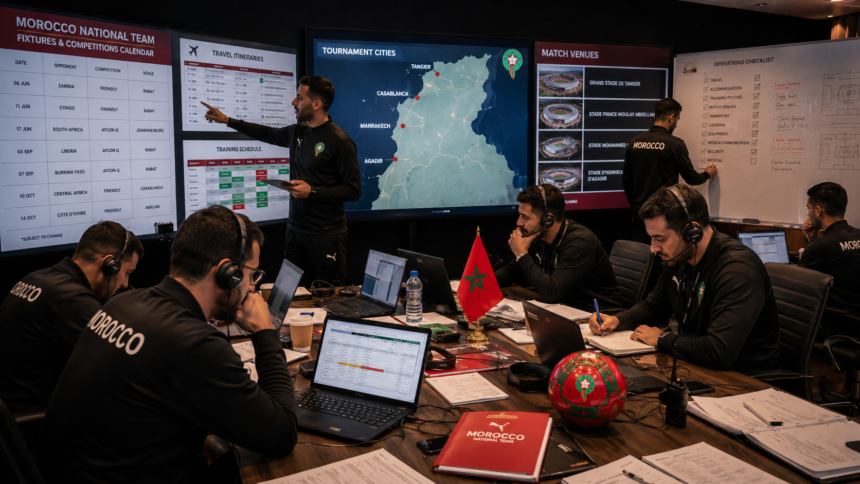
While fans eagerly anticipate matches featuring the Moroccan national team, the extensive coordination required behind the scenes often goes unnoticed. Organizing each game involves considerable logistical challenges, from managing travel and accommodation to ensuring player safety across multiple countries. This article explores the intricate planning, obstacles, and collaborative efforts that enable the Atlas Lions to deliver their best performances.
The Complex Dance of Scheduling Games for the Morocco National Side
Creating a schedule for the Morocco national team requires careful coordination with international organizations while balancing national priorities. The interplay between global, continental, and qualification calendars must be managed thoughtfully to ensure smooth operations.
FIFA Dates and International Match Calendar
The FIFA International Match Calendar establishes the foundation for all international football scheduling, specifying mandatory windows when clubs must release players for national duty. These periods are crucial for Morocco’s friendlies, World Cup qualifiers, and AFCON qualifiers, ensuring player availability without disrupting club commitments. The FRMF (Fédération Royale Marocaine de Football) manages these fixed dates in partnership with FIFA and CAF (Confederation of African Football). This framework determines when the Atlas Lions can convene, train, and compete in national team fixtures for 2024 and beyond.
Balancing Club and Country Commitments
Many of Morocco’s top players compete in elite European leagues and beyond, creating inherent tension between club and national team obligations. The logistics team must coordinate player releases with multiple clubs operating across different time zones and under varying regulatory frameworks.
The primary concerns are player fatigue, travel demands, and injury risk. The objective is to help athletes transition smoothly into the national team environment while maintaining peak fitness and minimizing stress upon returning to their clubs. Maintaining positive relationships with club officials through regular communication is essential for achieving this balance.

Multi-Stakeholder Coordination: FRMF, FIFA, CAF, and Partner Federations
The FRMF oversees all Moroccan national team matches and maintains regular communication with FIFA regarding World Cup matters, CAF on AFCON and continental competitions, and opposing nations’ football federations.
This multi-party collaboration encompasses determining match dates, times, and venues, as well as practical logistics such as training facility access for visiting teams. Each fixture—whether friendly or qualifying—requires substantial communication and negotiation to ensure alignment and compliance with international football standards.
Pre-Match Preparation: Setting the Stage
Once fixtures are confirmed, detailed preparation commences. The pre-match phase functions as a carefully orchestrated sequence of events designed to ensure complete readiness for the team’s arrival.

Venue Selection and Preparation
For home matches, the FRMF selects stadiums meeting FIFA and CAF standards, including the Grand Stade de Marrakech and Prince Moulay Abdellah Stadium in Rabat. Evaluation criteria include pitch quality, locker room facilities, media and medical infrastructure, and fan amenities. On match day, dedicated personnel oversee stadium preparation, managing branding, security protocols, and technical installations.
Away matches require thorough reconnaissance of the opposing venue, encompassing stadium assessment, training facilities evaluation, and local infrastructure analysis to identify potential concerns and confirm the team’s needs can be met. The aim is to provide players with a consistently professional environment regardless of location.
Travel Logistics: Private Charters and Accommodations
Travel represents one of the most demanding logistical elements, particularly as players converge from across the globe for Morocco’s World Cup qualifiers. Private charter flights are typically utilized to maintain confidentiality, offer scheduling flexibility, and reduce overall fatigue.
Accommodation selection prioritizes proximity to training facilities and stadiums, security standards, and amenities supporting athletic performance, such as specialized nutrition and recovery resources. Every detail—from room assignments to meal schedules—is carefully managed to ensure a seamless experience.
Player Selection and Arrival Management
The national team coach and staff select players for each fixture window. Upon selection, clubs receive official call-up letters initiating the release process. The logistics team then coordinates travel arrangements to ensure timely arrival at the training camp.
Player processing upon arrival includes medical examinations and administrative procedures. A structured daily schedule encompasses training sessions, tactical meetings, meals, and rest periods, with player wellbeing remaining the paramount consideration throughout their national team involvement.
More Read

Equipment and Supplies Coordination
Equipment management, though often overlooked, proves vital to operations. This encompasses match kits, training apparel, medical and physiotherapy equipment, and nutritional supplements. All items must be carefully packed, shipped, and tracked—sometimes across international borders—to guarantee timely and secure delivery.
Preparation for competitions like AFCON 2025 qualifiers requires consideration of specific climates and conditions affecting equipment choices. The logistics team maintains meticulous inventories to prevent oversights.
Match Day: Execution and Focus
While match day preparation may span weeks or months, the logistics team transitions from planning to active execution, ensuring seamless operations from start to finish.
Team Movement and Match Day Protocols
Match day protocols include precisely timed hotel departures, security escorts, and designated routes to the stadium. Upon arrival, the team proceeds to designated changing areas. Pre-match briefings and player movements follow minute-by-minute schedules, with warm-up times calibrated to allow athletes to concentrate fully on competition.
This structured approach creates a seamless experience that keeps players mentally focused while minimizing stress and distractions. The logistics team collaborates with stadium personnel and security to ensure all match day elements run smoothly.
Media Relations and Fan Engagement
The Moroccan national team attracts substantial attention from both supporters and journalists. Logistics and media relations teams organize press conferences, interviews, and media access, providing journalists with necessary resources including press facilities, internet connectivity, and controlled accreditation systems.
Fan engagement involves coordinated security, ticketing systems, and spectator services. While the logistics team doesn’t directly manage spectator admission, it supports stadium operations to ensure a safe and enjoyable experience for all attendees.
Medical and Performance Support
Medical and performance personnel—including physicians, physiotherapists, and massage specialists—remain actively engaged throughout matches, prepared to address player injuries. Post-match recovery includes ice baths, massage therapy, and nutritional protocols. Performance analysts simultaneously gather and review game data.
Immediate care and structured recovery protocols are essential to long-term player health, future availability, and overall staff safety. Security remains paramount, particularly for matches played outside Morocco. Hotels, transportation, and stadiums maintain constant security presence. Threat assessments are conducted for each location, with protocols adjusted accordingly.
The objective is creating a secure environment allowing the team to concentrate solely on football. This may involve police escorts, private security personnel, and restricted-access areas at all team facilities.
Post-Match: Recovery and Analysis
Logistical responsibilities continue beyond the final whistle, transitioning to player recovery, match analysis, and efficient return travel.
Return Travel and Player Release
The logistics team ensures timely team departure after matches, typically returning players to hotels for rest before continued travel. Individual arrangements are made for players returning to their clubs, ensuring safe and punctual arrivals.
This streamlined process strengthens relationships with clubs while reducing post-match player fatigue.
Performance Review and Technical Analysis
Coaching and technical staff initiate comprehensive performance reviews while players recover or travel. This involves analyzing game footage, player statistics, and tactical execution. The logistics team provides necessary analytical tools and information, including complete match summaries.
Such analysis is critical for identifying improvement areas and planning subsequent training sessions and competitions. It represents a continuous cycle of playing, reviewing, and preparing.
Medical Follow-Up and Rehabilitation
All match-related injuries receive thorough assessment, with rehabilitation plans developed accordingly. Club medical teams collaborate closely with national team medical staff to ensure continuity of care upon players’ return, providing optimal recovery support.
All athletes participate in intensive recovery protocols, including adequate rest, proper nutrition, and light activities preparing them for upcoming challenges.
Technology’s Role in Morocco’s National Team Operations
Modern technology has become indispensable to coordinating Morocco’s national team logistics.
Advanced Communication Platforms
Secure and efficient communication channels are essential. National teams employ encrypted messaging applications and dedicated platforms for rapidly distributing sensitive information—schedules, tactical plans, medical updates—across multiple time zones.
These systems provide match previews and post-game analysis to all team members, from management to support staff. Morocco vs Opponent Match Preview information is distributed seamlessly to all stakeholders.
Performance Tracking and Analysis Software
GPS trackers, heart rate monitors, and advanced video analysis software deliver real-time data on player performance, workload, and tactical execution during training and matches. This information guides coaching decisions, injury prevention strategies, and individual development initiatives.
The logistics team ensures devices are charged, properly calibrated, and functioning correctly, while performance analysts receive timely data access. Specialized logistics software streamlines complex travel itineraries, hotel reservations, and inventory management. These systems coordinate player arrivals, monitor equipment shipments, and manage budgets, consolidating logistical information to reduce errors and enhance coordination.
Such technology proves particularly valuable for planning Morocco National Team friendlies, which typically allow less preparation time than competitive matches. Despite thorough planning, unforeseen issues inevitably arise, and effective logistics teams develop rapid solutions.
Managing the Unexpected
Injuries, political instability, adverse weather, or travel restrictions may necessitate last-minute changes. Experienced logistics teams maintain contingency plans and demonstrate quick-response capabilities, including rebooking flights, changing accommodations, and adjusting schedules.
Team flexibility in unpredictable situations, combined with strong stakeholder networks, enables effective management of virtually any scenario. Such preparedness proves essential for organizing national team matches successfully.
Managing Distance and Time Zone Challenges
The Moroccan team competes internationally against diverse opponents, often requiring extensive travel across time zones, which can cause player fatigue and impact performance. Logistical planning minimizes flight inefficiencies, ensures comfortable travel, and manages arrival times to allow appropriate adjustment periods. Customized nutrition and hydration strategies help athletes adapt to time differences.
Overcoming Language and Cultural Barriers
Coordination with international federations, stadium staff, and diverse team members across different countries presents communication challenges. The logistics team mitigates miscommunication risks through clear, concise communication and multilingual personnel who understand and respect local customs and regulations.
Budgeting and Resource Allocation
Managing a national team’s financial and personnel resources requires careful oversight. Budgets must encompass travel, accommodation, equipment, medical services, and staffing. The logistics team identifies cost efficiencies without compromising quality or player safety.
Sound financial planning ensures the Moroccan national team maximizes resource utilization across all matches.
How Logistics Enhance Team Performance
Ultimately, all behind-the-scenes coordination aims toward a single objective: elevating the Moroccan national team’s on-field performance. Superior logistics create an optimal competitive environment.
Organized schedules and efficient planning reduce player fatigue. Thoughtful travel arrangements, quality accommodations, and structured routines minimize exhaustion levels. Players arrive at matches in superior physical and mental condition, translating to increased energy and improved performance. Logistical decisions regarding flight times, layovers, and hotel selections significantly influence player readiness and match outcomes.
A well-organized environment reduces stress, enabling players to concentrate fully on training, strategy development, and game preparation. The logistics team ensures athletes can focus exclusively on football without external distractions.
Professional logistics operations enhance team credibility and confidence among players and staff. Excellence in detail creates a winning culture. The Morocco national team benefits from dedicated logistics professionals working diligently behind the scenes. These individuals plan, coordinate, and remain committed to operational excellence. Their contributions underscore the importance of systematic organization in international football.
Logistics experts establish the foundation while players and coaches receive public recognition, enabling the Atlas Lions to compete effectively on the global stage. Their capacity to navigate complex schedules, address diverse requirements, and resolve unexpected challenges transforms each fixture into a meticulously organized affair, positioning Morocco to compete at the highest levels. The FRMF collaborates with FIFA for World Cup qualifier organization and with CAF for continental competition planning. The federation also organizes friendly matches enabling club and national team players to compete together.
Frequently Asked Questions
What are the primary logistical challenges facing the Morocco national team?
Major obstacles include coordinating player movement between international clubs across different continents and time zones, addressing cross-border security concerns, managing last-minute schedule modifications, and negotiating with multiple international football bodies and opposing federations.
How does the national team prioritize player health during international duty?
Player health and safety receive paramount attention. This includes arranging comfortable travel (often on charter flights), providing quality accommodation and specialized meals, implementing strict medical protocols, organizing recovery sessions, and ensuring adequate rest to prevent injury and fatigue.
What role does technology play in organizing Morocco’s national team matches?
Technology proves essential for travel logistics, performance monitoring (GPS trackers, video analysis software), and operations management (travel planning software, inventory systems). These tools enable data collection, communication, and coordination across all national team members and fixtures.
How do logistics impact team morale and performance?
Logistics enhance morale by ensuring players maintain optimal health, can concentrate on football, and operate within a professional and supportive environment. With effective logistical support, players experience reduced stress and heightened preparation—both physically and mentally—for competition.