Injury Watch: How Player Fitness Affects the Morocco National Team Squad
The success of any national football team hinges significantly on the fitness and availability of its key players. For the Morocco National Team, a squad that has captured global attention with its recent performances, maintaining player health is paramount. The spectre of injuries looms large, capable of derailing carefully laid tactical plans and impacting the team’s overall morale and performance on the international stage. Understanding how these setbacks affect the Atlas Lions provides crucial insight into their preparations and challenges.
From major tournaments such as the Africa Cup of Nations to World Cup qualifiers, professional footballers face immense physical demands. This article examines how player fitness, or the lack thereof due to injuries, shapes squad composition, influences coaching decisions, and ultimately impacts the team’s pursuit of success. The analysis considers the ripple effects across different positions and the strategies employed to mitigate these risks.
The Impact of Injuries on Squad Selection
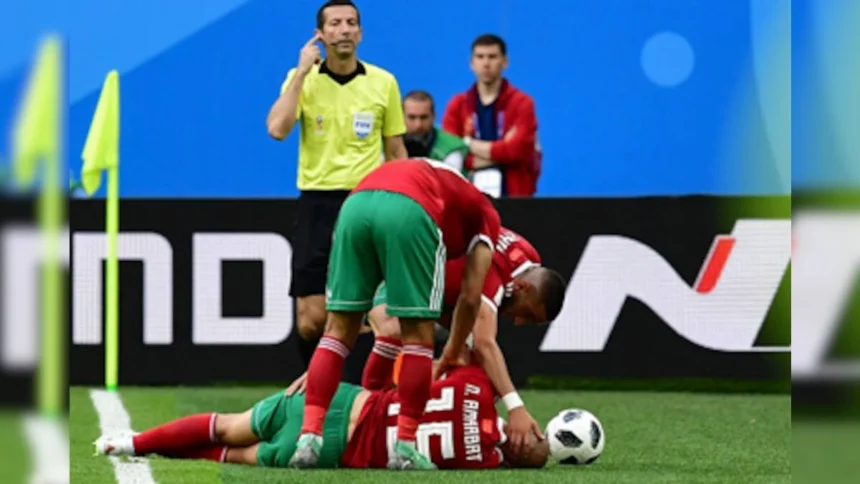
Injuries are an unfortunate yet inevitable part of professional football. For the Morocco National Team, the timing of these absences can be particularly critical, especially when they occur just before major competitions or during crucial qualification phases. A single significant setback can force coach Walid Regragui to rethink his entire strategy and delve into the desquad’s depth
When a player is sidelined, it’s not just about losing one individual; it’s about disrupting established partnerships, diminishing tactical flexibility, and potentially forcing less experienced players into high-pressure situations. The impact is felt both on the pitch and in the training camp, affecting team cohesion and confidence.
Key Players and Their Vulnerability
The Moroccan national team boasts several key players whose absence would be deeply felt. Achraf Hakimi, Hakim Ziyech, Sofyan Amrabat, and Youssef En-Nesyri are just a few examples of players whose consistent performance and leadership are vital. An injury to any of these pivotal figures creates a void that is difficult to fill, regardless of available talent.

For instance, if a crucial defender like Nayef Aguerd were to sustain an injury, it would directly undermine the defensive stability of Morocco’s national team back line. Similarly, an issue with a prolific forward from the attacking unit could severely limit the team’s goal-scoring capability.
These scenarios highlight the delicate balance coaches must maintain. They must select not only the best available players but also factor in their current fitness levels and injury history when finalising the Morocco National Team Squad 2024: Full Player List and Analysis.
Tactical Adjustments and Squad Depth
One of the most immediate consequences of player absences is the need for tactical adjustments. Coach Regragui’s preferred starting XI is built around specific player profiles and their abilities. When a key player becomes unavailable, it often necessitates a change in formation, playing style, or individual roles.

For example, if a dynamic winger is sidelined, the coach might opt for a more central attacking setup or rely more heavily on full-backs for width. This requires versatility from the remaining players and a deep understanding of multiple tactical schemes.
Leveraging Squad Depth
The importance of squad depth becomes particularly evident in these situations. A strong bench and a pool of talented, match-ready players can mitigate the impact of absences. The ability to call upon experienced backups or promising young talents in the Morocco National Team Squad is invaluable.
Coach Regragui’s vision for the team emphasises collective strength over individual brilliance, which makes overall squad fitness even more critical. A well-rounded group ensures that, even if a key midfielder is unavailable, capable replacements can maintain control in the midfield.
The Psychological Toll: Impact on Players and Team Morale
Beyond the physical and tactical ramifications, injuries carry significant psychological weight. For the injured player, the frustration of missing out on representing their country, especially during crucial moments, can be immense. The rehabilitation process is often long and demanding, testing their mental resilience.
For the remaining squad members, witnessing teammates sidelined can negatively affect morale. A collective sense of loss may arise, and additional pressure may be placed on those who remain. Maintaining a positive team atmosphere and ensuring injured players feel supported and included in the team’s journey are crucial aspects of effective management.
Maintaining Focus and Unity
The coaching staff plays a vital role in managing the psychological aspects of absences. Regular communication with sidelined players, integrating them into team activities where possible, and emphasising the collective goal helps keep spirits high. This unity is a hallmark of the Current Morocco National Team Squad and Key Players and is essential for overcoming adversity.
More Read

Prevention and Rehabilitation Strategies
Modern football places strong emphasis on injury prevention. National teams, including Morocco, invest heavily in sports science, medical staff, and advanced training methodologies to minimise risk. This proactive approach is critical for maintaining peak performance.
Prevention strategies include:
- Individualised Training Programs: Tailoring exercises to each player’s physical profile and position.
- Load Management: Carefully monitoring training intensity and match minutes to prevent overuse injuries.
- Nutrition and Recovery: Emphasising proper diet, hydration, sleep, and recovery protocols like cryotherapy and massage.
- Biomechanics Analysis: Identifying and correcting movement patterns that could lead to injury.
The Role of the Medical Team
Should an injury occur, a highly skilled medical team is essential. Their responsibilities extend beyond immediate treatment to comprehensive rehabilitation programs designed to return players to the pitch safely and effectively. This involves a multidisciplinary approach, often including physiotherapists, doctors, strength and conditioning coaches, and sports psychologists.
The medical team also works closely with the coaching staff to provide accurate recovery timelines and advise on player readiness, preventing premature returns that could lead to re-injury. Even for the Morocco National Team’s goalkeepers, who might seem less prone to certain injuries, specialised training and care are crucial.
Historical Context: Learning from Past Challenges
While detailed historical data on absences isn’t always publicly available, every national team has faced fitness crises. These past experiences inform current strategies, emphasising the need for robust medical infrastructure and comprehensive player welfare programs.
Learning from how previous squads managed the absence of key players due to injury provides valuable lessons for current and future management. It underscores the importance of not just having talent but also having a resilient system in place to manage unforeseen setbacks.
The Road Ahead: Managing Fitness for Future Success
As the Moroccan National Team looks ahead to upcoming tournaments and qualifiers, player fitness will remain a top priority. The demanding international football calendar, coupled with the rigorous club schedules of many Atlas Lions, means that fatigue and injury risk are constant concerns.
Effective communication between the national team’s medical staff and players’ club medical teams is paramount. This collaboration ensures that player workloads are managed optimally throughout the season, minimising the chances of burnout or injury during crucial national team camps.
Proactive Planning for Tournament Readiness
For major tournaments, specific pre-tournament camps often include focused fitness regimes to ensure all players reach their physical peak. This period is also critical for fine-tuning tactical approaches and building team chemistry, all of which can be disrupted by untimely absences.
The coaching staff’s ability to adapt and the depth of available talent will be continually tested. The strength of the Key Players in the Morocco National Team Squad depends not only on their skill but also on their endurance and availability.
Conclusion: Fitness as a Cornerstone of Moroccan Football Ambition
Player fitness is more than just a footnote in the Morocco National Team’s journey; it is a fundamental cornerstone. The management of player health directly influences squad selection, tactical efficacy, team morale, and ultimately, the team’s ability to compete at the highest levels of international football.
From the medical staff’s preventative measures to Coach Regragui’s strategic adaptations and the players’ individual commitment to their physical well-being, every aspect plays a role. As the Atlas Lions continue their journey, ensuring their stars are fit and performing at their best will be as crucial as their talent and tactical acumen in achieving their ambitions. The enduring health of the Current Morocco National Team Squad and Key Players is truly the engine of their success.
FAQ Section
What are the most common types of Morocco national team injuries?
Like most professional football teams, Morocco National Team players are susceptible to common football injuries such as hamstring strains, ankle sprains, knee ligament issues (ACL, MCL), muscle tears, and concussions. Overuse injuries due to demanding schedules are also prevalent.
How do injuries affect squad selection for major tournaments?
Injuries can significantly alter squad selection. If a key player is sidelined, the coach must find a suitable replacement, which often means calling up a less experienced player or adjusting the tactical setup. This underscores the importance of a deep squad and versatile players ready to step in.
What measures does the Moroccan National Team take to prevent injuries?
The team employs a comprehensive approach to prevention, including individualised training programs, careful load management, advanced recovery techniques (such as cryotherapy and physiotherapy), nutritional guidance, and regular medical assessments. Collaboration with club medical teams is also vital.
How does the absence of a key player impact team tactics?
The absence of a key player often forces the coaching staff to make significant tactical adjustments. This could involve changing the team’s formation, altering attacking or defensive strategies, or assigning new roles to existing players to compensate for the missing individual’s specific contributions.
Who is responsible for managing injuries and player rehabilitation?
A dedicated medical and sports science team manages player health and rehabilitation. This includes doctors, physiotherapists, sports scientists, and strength and conditioning coaches. They work in conjunction with the coaching staff and the players’ club medical teams to ensure proper treatment and safe return-to-play protocols.