

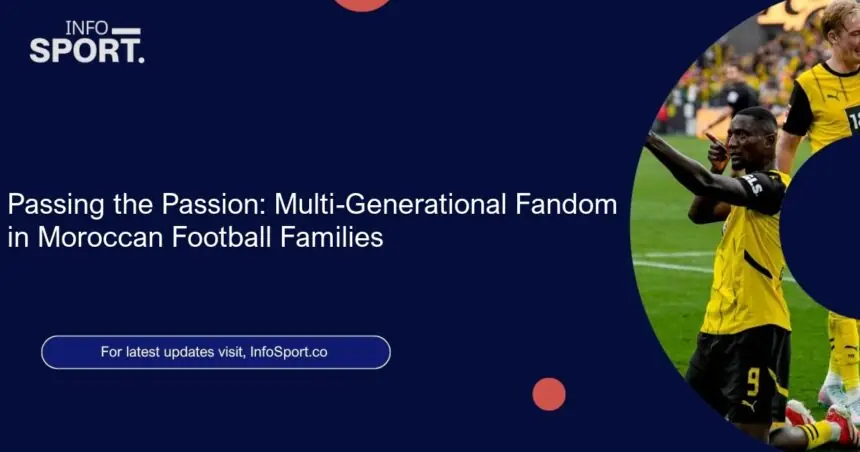
Passing the Passion: Multi-Generational Fandom in Moroccan Football Families
In Morocco, football transcends sport—it is a profound cultural phenomenon, a source of national pride, and a powerful family bond. The vibrant tapestry of Moroccan society is interwoven with the threads of the beautiful game, passed down through generations. This article explores the rich Morocco football family traditions that ensure passion for the Atlas Lions, the national team, thrives from grandparents to grandchildren, shaping identities and strengthening familial bonds. Through these shared experiences, the unique Morocco National Team fan culture is not only preserved but constantly revitalized.
The Roots of Passion: How Fandom Begins
For many Moroccans, the love for football isn’t a choice; it’s an inheritance. From early childhood, they are immersed in a world where the national team’s triumphs and tribulations are central to family life. This early exposure lays the groundwork for lifelong devotion.
Early Exposure and Childhood Memories
The journey into fandom often begins in childhood, nestled beside a grandparent or parent, watching a match on television or listening to radio commentary. These formative experiences are filled with distinct sounds of cheering, the scent of mint tea, and excited chatter of relatives. Children learn the names of legendary players, absorb narratives of past glories, and witness firsthand the emotional rollercoaster that accompanies every game. These vivid memories become the foundation of their own evolving passion, a cherished part of their family history.
The Rituals of Growing Up a Moroccan Football Fan
Growing up in a Moroccan football family involves a series of cherished rituals. Before major matches, there’s a tangible buzz in the air. Families gather to discuss tactics, predict outcomes, and recount memorable moments from previous games. Dressing in national colors, painting faces, or preparing special snacks are all part of the pre-game ceremony. These rituals, often guided by elders, instill a sense of anticipation and collective identity, making support for the Atlas Lions a deeply communal and personal experience.
Pillars of Fandom: Key Traditions in Moroccan Football Families
The enduring strength of fandom in Morocco lies in its deeply embedded family traditions. These practices transform mere spectatorship into a vibrant, shared celebration of national identity and familial unity. Such traditions are the heartbeat of the nation’s support for its beloved team.
More Read

Matchday Gatherings: More Than Just a Game
Matchday gatherings are perhaps the most iconic of these customs. Homes across the country transform into miniature stadiums, bustling with energy. Multiple generations converge, from toddlers wearing miniature jerseys to grandparents offering seasoned commentary. These gatherings are characterized by shared meals, lively discussions, and collective emotional outbursts. Every goal, save, and near miss is experienced together, amplifying joy and softening disappointment. It’s a powerful demonstration of the collective Morocco National Team fan culture, where the family unit becomes the primary fan club.
Storytelling and Oral History
The oral tradition plays a crucial role in passing on this passion. Grandparents and parents regale younger generations with tales of legendary players, historic victories, and dramatic World Cup campaigns. They speak of the iconic moments that shaped Moroccan football history, from the 1986 World Cup team to more recent triumphs. These stories are not merely historical accounts but emotional narratives imbued with pride, resilience, and hope. Through such tales, children learn not only about the sport but also about their national heritage and the values it represents.
The Significance of Attire and Symbols
Wearing the national team jersey is a potent symbol of allegiance and identity within Moroccan families. It’s common for entire households to don matching gear, especially during major tournaments. Flags, scarves, and other paraphernalia are proudly displayed, turning homes and streets into a sea of red and green. This shared attire fosters unity and belonging, signaling unwavering support to the world and to one another. For those looking to join in, knowing where to buy official merchandise is often a family affair, ensuring everyone has their colors ready.
More Read
Chants, Songs, and Shared Expressions
The vibrant atmosphere of Moroccan football culture is incomplete without its distinctive chants and songs. Within families, these expressions are learned and shared, becoming a familiar soundtrack to matchdays. Elders teach younger ones the rhythm and lyrics of traditional anthems, ensuring the collective voice of supporters remains strong. From powerful calls to catchy tunes, these vocalizations create a bond, linking family members to the wider community. The unique energy and passion of Morocco football fan traditions, chants, and tifos are cultivated right in the living room.
The Intergenerational Bond: Strengthening Family Ties Through Football
Football acts as a unique conduit for strengthening family ties in Morocco, providing a common language and shared emotional landscape across different age groups. It’s a powerful force that transcends typical generational divides.
Bridging Age Gaps
In many Moroccan families, football serves as a natural bridge between generations. Grandparents, parents, and children, who might otherwise have differing interests, find common ground in their shared love for the Atlas Lions. Discussions about players, strategies, and match outcomes provide endless topics for conversation, fostering interaction and understanding. It’s a space where age differences melt away, and everyone is united by a single, exhilarating purpose.
Passing Down Values and Identity
Beyond the game itself, football is a vehicle for transmitting core values within Moroccan families. Loyalty, resilience, perseverance, and national pride are all reinforced through the narratives of the national team. Children learn the importance of supporting their team through thick and thin, understanding that collective effort and unwavering belief can lead to great achievements. This imbues them with a strong sense of national identity and deep connection to their heritage, evident in the roar of the Atlas Lions and Morocco’s football fan culture.
The Role of Women in Moroccan Football Families
While often stereotyped as male-dominated, football relies on women’s central role in fostering multi-generational fandom in Morocco. Mothers, aunts, and grandmothers are frequently the organizers of matchday gatherings, preparing meals, decorating homes, and encouraging family participation. Their enthusiasm and emotional investment are crucial in creating the warm, inclusive atmosphere that defines these traditions. They are not merely observers but active, passionate participants, often leading the cheers and instilling the love of the game in their children.
Evolution of Fandom: From Grandparents’ Era to Today
Moroccan football fandom, while deeply rooted in tradition, is not static. It has evolved over decades, adapting to new technologies, global influences, and the changing landscape of international football, while maintaining its core familial essence.
More Read

Nostalgia for Past Glories
Older generations often carry deep nostalgia for past eras of Moroccan football. They recount the exploits of legendary players like Larbi Benbarek or the iconic 1986 World Cup squad that defied expectations. These stories are more than memories; they are touchstones connecting the present generation to a rich history of struggle and triumph. This reverence for the past helps contextualize current achievements and maintain a continuous narrative of national footballing identity.
Modern Influences and Global Reach
The advent of social media and global broadcasting has significantly impacted how younger generations engage with the sport. They follow players on Instagram, participate in online fan communities, and watch matches streamed from anywhere in the world. The Moroccan diaspora, stretching from Rabat to Riyadh and beyond, now fuels fandom on a global scale, connecting families separated by continents through shared online experiences. The World Cup 2022 effect particularly expanded Morocco’s fan base, bringing new generations and diverse communities into the fold.
Adapting Traditions for New Generations
While core traditions remain strong, they also evolve. Younger fans might organize WhatsApp groups for match commentary, create TikTok videos celebrating victories, or attend live fan zones with friends and family. These modern expressions blend seamlessly with older customs like communal viewing and storytelling. The essence of shared passion endures, demonstrating the resilience and adaptability of Morocco National Team fan culture in a rapidly changing world.
The Impact on National Identity and Unity
The multi-generational passion for football in Moroccan families extends far beyond individual households, contributing significantly to the nation’s sense of identity and unity. It’s a powerful unifying force that transcends regional, social, and economic divides.
Football as a Unifying Force
When the Atlas Lions play, the entire nation unites. Regional differences fade, and people from all walks of life come together under the banner of their national team. Whether watching in a crowded café in Casablanca, a family home in Rabat, or a village square, the collective emotion is palpable. This shared experience fosters a powerful sense of national solidarity, reminding everyone of their common heritage and aspirations. The matchday experience, whether in Casablanca or elsewhere, is a testament to this unity.
Inspiring Future Generations of Players and Fans
The sight of heroes playing for the national team, coupled with fervent family support, inspires countless Moroccan children to dream of becoming professional footballers. The stories of players who overcame adversity to represent their country become powerful motivators. Moreover, unwavering support from the stands and homes has a tangible psychological impact on players, fueling their determination and performance. This creates a virtuous cycle: familial support inspires players, whose success deepens passion among future fan generations, ensuring the legacy continues indefinitely.
Conclusion
The phenomenon of multi-generational fandom in Moroccan football families is a profound testament to the power of sport to bind communities and preserve cultural heritage. The intricate web of traditions—from matchday gatherings and storytelling to shared attire and chants—ensures that passion for the Atlas Lions is not merely inherited but actively nurtured and celebrated. This enduring enthusiasm strengthens familial bonds, transmits core values, and reinforces a powerful sense of national identity. As Morocco continues its journey in the global football arena, the vibrant, deeply rooted Morocco National Team fan culture, sustained by its families, will undoubtedly remain its most formidable and inspiring asset.
FAQ Section
What are the core Morocco football family traditions?
Core traditions revolve around communal matchday gatherings at home, where multiple generations watch games together. These include sharing meals, telling stories of past glories, wearing national team jerseys, and singing traditional chants. The collective experience fosters a strong sense of unity and national pride.
How do Moroccan families pass down their passion for the Atlas Lions?
Passion is passed down through early exposure and immersive experiences. Children grow up watching games with parents and grandparents, listening to stories of legendary players, and participating in matchday rituals. This continuous engagement and shared emotional investment solidify their connection to the team and the sport.
What role do women play in multi-generational Moroccan football fandom?
Women play a central and often organizing role in Moroccan football families. They are typically responsible for hosting matchday gatherings, preparing food, and creating the festive atmosphere. Their active participation and emotional investment are crucial in instilling and nurturing the love for football in younger family members.
How has modern technology influenced Morocco football family traditions?
Modern technology has expanded the reach and forms of engagement. While traditional gatherings remain, younger generations also participate through social media, online fan groups, and streaming services. The global diaspora connects through these platforms, sharing experiences and strengthening bonds despite geographical distances.
Why is multi-generational fandom important for Morocco’s national identity?
Multi-generational fandom is crucial for national identity because it creates a continuous narrative of shared experience and collective pride. It unifies people across different regions and age groups, reinforcing values like loyalty and resilience. This shared passion for the national team acts as a powerful symbol of Moroccan unity and cultural heritage.