The Engine Room: Midfield Maestros of the Morocco National Team Squad
In international football, the midfield is often called the engine room, serving as the vital link between defense and attack. For the Morocco National Team, this is especially true. The Atlas Lions’ recent achievements, including their historic 2022 FIFA World Cup run, were driven by the strength, discipline, and talent of their midfielders. These players are the core of the squad, reflecting the resilience and flair of Moroccan football.
This analysis examines the individual strengths and teamwork of Morocco’s key midfielders, focusing on their roles, contributions, and tactical approaches. From defensive anchors to creative playmakers, these central midfielders form a formidable unit.
The Heartbeat of the Atlas Lions’ Strategy
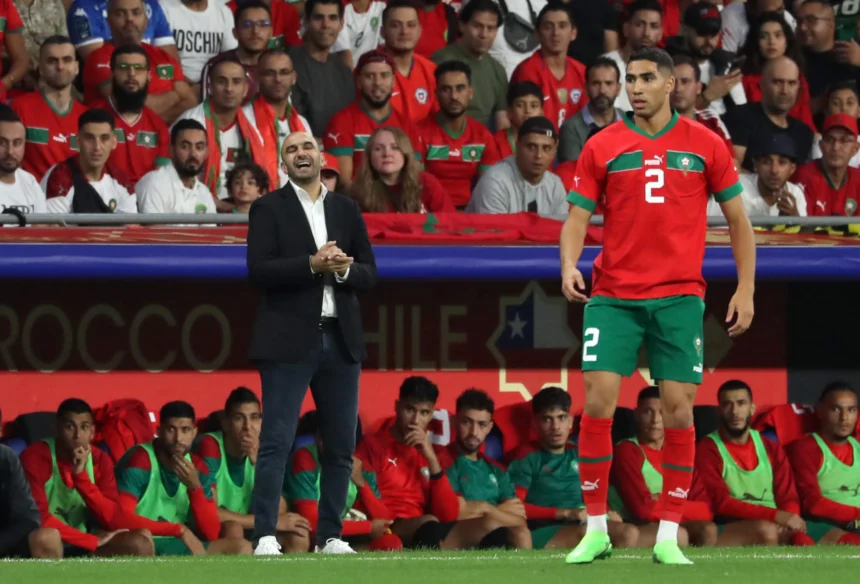
Coach Walid Regragui’s tactical approach depends on a strong and dynamic midfield. Their ability to control matches, disrupt opposition attacks, and initiate counter-attacks is essential. The Atlas Lions’ success comes from both individual talent and cohesive teamwork, as midfielders cover ground, win duels, and distribute the ball precisely. This central group provides defensive stability and supports the attack, making them indispensable.
Regragui’s preferred formations, typically a 4-3-3 or similar, place significant responsibility on central players. They must be defensively strong, tactically aware, and creatively influential. This role demands physical strength, technical skill, and football intelligence, all of which the current squad demonstrates.
Key Midfield Maestros: Pillars of the Midfield
The Atlas Lions feature several world-class midfielders who have excelled at both club and international levels. These players are key to the team, consistently delivering strong performances.
Sofyan Amrabat: The Defensive Anchor
Sofyan Amrabat exemplifies the modern defensive midfielder. His work rate, ball-winning skills, and physical presence make him a strong shield in front of the defense. His 2022 World Cup performances earned global recognition, confirming his status as one of the top holding midfielders. He reads the game well, anticipating passes and breaking up play with timely tackles.
In addition to his defensive role, Amrabat distributes the ball effectively and initiates attacks with precise passes. He controls the tempo from deep, linking defense and attack. His leadership and energy motivate teammates. Experience at top European clubs has refined his skills and tactical awareness, making him a valuable asset for Morocco.
Azzedine Ounahi: The Box-to-Box Dynamo
Azzedine Ounahi made a strong impression at the World Cup, displaying technical skill, dribbling, and high energy. As a box-to-box midfielder, he is effective both advancing the ball and recovering possession. His dribbling and passing vision make him a consistent threat.
Ounahi plays a key role in transitioning from defence to attack, often carrying the ball through midfield and creating space for teammates. His partnership with Amrabat offers balance: Amrabat defends while Ounahi advances play. Ounahi adds dynamism and unpredictability to Morocco’s attacks.
Selim Amallah: The Industrious Central Midfielder
Selim Amallah is a key part of Morocco’s midfield. Known for his versatility and work rate, he provides a strong central presence. As a tenacious tackler and effective presser, he strengthens the team’s defense. Offensively, he makes smart runs into the box and has a powerful long-range shot.
His ability to play multiple central midfield roles, from defensive to attacking, gives Regragui tactical flexibility. His consistent effort and commitment keep the midfield strong and energetic. He represents the collective spirit and determination of the unit.Al El Khannouss is a promising talent for Morocco’s midfield. Despite his youth, he has shown maturity, technical skill, vision, and composure. He plays mainly as an attacking midfielder or deep-lying playmaker, able to unlock defenses with precise passes and creative movement.
His inclusion in the squad reflects the team’s focus on developing young talent. El Khannouss’s growth under experienced teammates and Regragui’s guidance is vital for long-term success. He is set to become a key midfielder, combining European club experience with youthful energy. You can read more about Future Stars: Young Talents to Watch in the Morocco National Team Squad.
Other Influential Midfielders
While the aforementioned players form the core, the depth of talent is impressive, While these players form the core, Morocco’s squad also benefits from impressive depth, with several others contributing strength and versatility.Dad AC brings a wealth of experience and leadership. Yahya Jabrane, a key player for Wydad AC, brings experience and leadership from the Moroccan league and African competitions. As a defensive midfielder, he offers composure, positional awareness, and strong tackling. Jabrane is a reliable option for Regragui, especially when controlling tempo or adding defensive stability. His knowledge of the local game and leadership are valuable assets. Benjamin Bouchouari, playing in Europe, is another promising young midfielder. He has strong technical skills, vision, and energy. As he gains club experience, Bouchouari is expected to compete for a larger role, adding to the team’s depth.A left midfielder known for his creativity, passing range, and ability to contribute goals. Injuries have unfortunately hampered his performance. When fit, Imran Louza is a talented central midfielder known for creativity, passing range, and goal contributions. Injuries have affected his consistency, but his ability to unlock defences remains clear. A return to full fitness would add another dimension to the squad and offer Regragui a different tactical option. wess, quick feet, and ability to create. Although often used in wide attacking roles, Amine Harit is also effective as a central attacking midfielder. His dribbling, quick footwork, and creativity make him a strong offensive option. Harit’s versatility allows Regragui to adjust formations and roles as needed. He is included in the broader Morocco National Team Squad 2024: Full Player List and Analysis. The midfield is central to this approach.
In a standard 4-3-3, Amrabat serves as the sole pivot, protecting the defence. Ounahi and Amallah play as advanced central midfielders, offering defensive support and attacking drive. Ounahi advances the ball and connects with forwards, while Amallah adds energy, pressing, and supports attacks with late runs.
In a 4-1-4-1 or 4-2-3-1, Amrabat may be paired with another holding midfielder for added defensive stability, especially against strong opponents. The players’ flexibility allows Regragui to adjust tactics as needed, which is central to their success. This tactical approach is a hallmark of Coach Regragui’s Vision: Decoding the Morocco National Team’s Preferred Starting XI.
The Balance Between Defence and Attack
The beauty of Morocco’s midfield lies in its impeccable balance. Amrabat provides the steel and defensive intelligence, allowing Ounahi and Amallah to venture forward. Their collective ability to win back possession quickly and transition into attack is a hallmark of their play. This balance ensures that the team is rarely exposed defensively while always posing a threat in the future. These players are masters of both phases of the game.
The Importance of Pressing and Ball Retention
High pressing and smart ball retention are key to Morocco’s strategy. Midfielders initiate the press, close down opponents, and force turnovers. After regaining possession, they maintain control and create opportunities. This midfield discipline often determines the outcome in close matches.
The Evolution of Morocco’s Midfield
Moroccan football has a strong tradition of producing talented midfielders, from Mohamed Timoumi in the 1980s to Mustapha Hadji in the 1990s and 2000s. The current generation continues this legacy, combining Moroccan flair with the demands of modern European football.
The squad’s mix of experience and youth is a key strength. Veterans like Amrabat and Amallah provide stability, while emerging talents such as El Khannouss and Bouchouari ensure ongoing quality. This generational blend supports smooth transitions and sustained competitiveness. These players are truly The Pillars of the Atlas Lions: Key Players in the Morocco National Team Squad.
Future Prospects and Emerging Talents
The squad’s future is promising. In addition to established stars, many young players are emerging from domestic and European academies. The Moroccan Football Federation’s investment in youth development is producing results.
Players like Bilal El Khannouss are already making an impact, while others are preparing to prove themselves. The squad’s competitive environment drives young talents to improve, maintaining high standards. This focus on youth development is vital for the Atlas Lions’ continued success.
The European Connection: Impact on Development
Many key midfielders play in top European leagues, gaining exposure to high-level competition, advanced training, and varied tactics. Regularly facing strong opponents sharpens their technical skills, tactical awareness, and physical conditioning.
Experience in leagues such as the Premier League, Serie A, and Ligue 1 leads to improved national team performances. These players bring a winning mentality, professionalism, and broader tactical understanding, enriching the squad. The impact of overseas experience is significant.
Impact on Team Performance: The Engine Room’s Influence
Midfielders’ performance is closely linked to the Atlas Lions’ success. They drive defensive solidity, often forming the first line of ,defence and protect the back four. They also initiate attacks, provide through balls, and make late runs into the box.
Their control of the midfield shapes the game’s flow, allowing Morocco to impose its style. Through pressing, ball retention, and creative passing, the midfield sets the tone. Their teamwork supports both the forwards and the Iron Curtain: Meet the Defenders of the Morocco National Team Squad and The Last Line of Defence: Analysing Morocco National Team’s Goalkeepers.
Depth in midfield gives Regragui reliable options from the bench, maintaining intensity and quality throughout the match. This depth is highlighted in Beyond the Starting XI: Assessing the Depth of the Morocco National Team Squad.
Conclusion: The Unsung Heroes of the Atlas Lions
The midfielders are the engine room of the Atlas Lions. Their combination of defensive strength, tactical intelligence, and creativity makes them one of the most effective units in international football. From Amrabat’s defensive solidity to Ounahi’s dynamism and El Khannouss’s promise, these players are the unsung heroes who shape Morocco’s game.
As the Morocco National Team competes globally, midfield performance remains crucial. Their ability to control matches, win duels, and launch attacks will drive future success. The outlook is bright for this talented group, ensuring the engine room continues to power the Atlas Lions’ ambitions.
FAQ Section: Morocco National Team Midfielders
Q1: Who are the key defensive midfielders for the Morocco National Team?
A1: Sofyan Amrabat is the undisputed key defensive midfielder for the Morocco National Team. His exceptional ball-winning ability, physical presence, and tactical discipline make him crucial to shielding the defence. Yahya Jabrane also offers experience in this role.
Q2: Which Morocco national team midfielders are known for their attacking contributions?
A2: Azzedine Ounahi is highly regarded for his box-to-box play, dribbling, and ability to drive forward, making significant attacking contributions. Selim Amallah also makes intelligent runs into the box and has a powerful shot. Bilal El Khannouss, as an attacking midfielder, is known for his creativity and vision in the final third.
Q3: How does Coach Walid Regragui utilise his midfielders tactically?
A3: Coach Regragui typically employs a 4-3-3 formation, with Sofyan Amrabat as the single pivot, providing defensive cover. Two central midfielders, often Azzedine Ounahi and Selim Amallah, operate further up the pitch, balancing defensive duties with attacking and pressing high. This setup emphasises control, quick transitions, and strong defensive stability from the midfield. You can learn more about Coach Regragui’s Vision: Decoding the Morocco National Team’s Preferred Starting XI.
Q4: Are there any young talents among the Morocco national team midfielders to watch out for?
A4: Yes, Bilal El Khannouss is a prominent young talent who has already made an impact, known for his technical skill and composure. Benjamin Bouchouari is another promising young midfielder developing in Europe, expected to play a bigger role in the future. Morocco has a strong pipeline of Future Stars: Young Talents to Watch in the Morocco National Team Squad.
Q5: How important is the midfield to the overall success of the Morocco National Team?
A5: The midfield is exceptionally important; it is considered the engine room of the Morocco National Team. Their ability to control possession, break up opposition attacks, dictate the tempo, and launch offensive plays is crucial for the team’s defensive solidity and attacking prowess. Their strong performances were a cornerstone of Morocco’s historic 2022 World Cup run, highlighting their status as the Pillars of the Atlas Lions: Key Players in the Morocco National Team Squad.