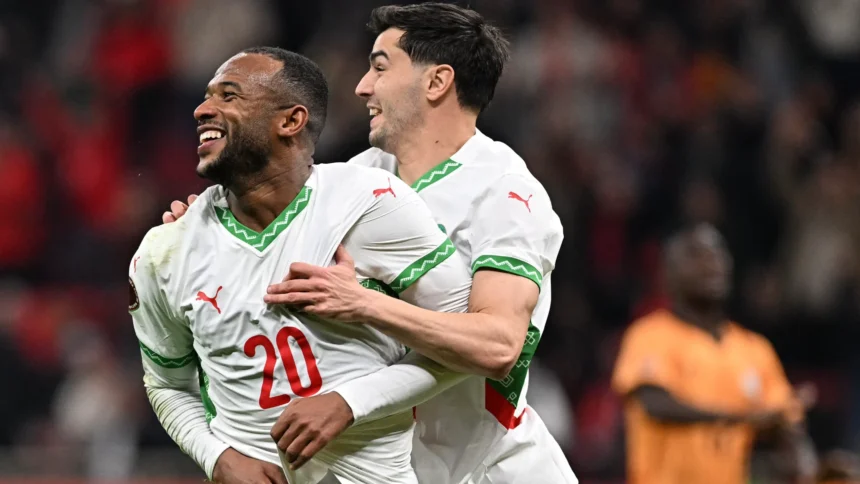
Iron Curtain: Meet the Defenders of the Morocco National Team Squad
A football team’s success often depends on the strength and resilience of its defense. The current Morocco National Team has earned the nickname “Iron Curtain” for its defensive solidity, which was central to their historic 2022 FIFA World Cup run. Morocco’s defenders consistently neutralized top attacking teams, with their collective effort, tactical discipline, and individual skill forming the foundation of the team’s ambitions.
This analysis examines Morocco’s defensive core, highlighting key players, their roles, and the tactics that make them effective. The backline, featuring experienced leaders, dynamic full-backs, and emerging talents, is essential to the team’s continued success and future goals.
The Foundation of Success: Why Defence Matters for the Atlas Lions
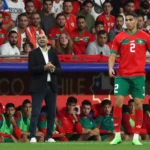
Morocco’s recent achievements, including its World Cup semi-final appearance, were built on a disciplined and organised defence. Under coach Walid Regragui, a focus on defensive structure and teamwork has made the Atlas Lions a difficult team to break down.
The team’s ability to absorb pressure, intercept key passes, and launch quick counter-attacks defines their style. This reliability gives the entire squad confidence, allowing midfielders and forwards to play more freely. Strong communication and understanding are central to this defensive strength.
Meet the Central Pillars: Key Central Defenders
Central defenders are the organizers and last line of resistance before the goalkeeper. Morocco features a strong group in this position, combining experience with modern defensive skills.

Romain Saïss: The Experienced General
Romain Saïss is the captain and leader of Morocco’s defense. His experience in top European leagues, including the Premier League, has made him a commanding presence. Saïss is known for his positional awareness, aerial strength, and strong tackling, often anticipating threats before they develop.
Saïss is also a vocal leader, guiding his teammates and maintaining tactical discipline. His composure and accurate passing from the back enhance the team’s build-up play, reinforcing his role as the general of Morocco’s defense.
Nayef Aguerd: The Modern Ball-Playing Defender
Nayef Aguerd is among Africa’s top central defenders and currently plays in the Premier League. He combines traditional defensive skills with modern ball-playing ability. His athleticism and speed help him manage quick attackers effectively.

Aguerd is skilled with the ball, distributing accurate passes and starting attacks from deep positions. His aerial ability also makes him a set-piece threat. Together with Saïss, he forms a strong central defensive partnership.
Achraf Dari: Emerging Talent and Reliability
Achraf Dari is part of Morocco’s next generation of central defenders. With experience in the Botola Pro and in France, he has shown significant potential and reliability. Dari is a committed, no-nonsense defender who brings focus to the role.
His World Cup performances demonstrated his readiness for top-level competition. Dari continues to develop and promises a bright future in Morocco’s defense.
Jawad El Yamiq: The Dependable Backup
Jawad El Yamiq is an experienced defender who adds physical presence to Morocco’s backline. Often serving as a backup, he provides valuable contributions, especially when tactical changes or fresh energy are needed. His tackling and aerial strength offer reliability against physical opponents.
El Yamiq’s ability to step in and maintain defensive integrity highlights his professionalism and understanding of Regragui’s system. He is a key part of the squad’s depth.
Chadi Riad: The Future of Morocco’s Central Defence
Chadi Riad is one of Morocco’s most promising young defenders. Trained at La Masia and now playing in La Liga, he shows technical skill, composure, and defensive intelligence beyond his years. Riad is comfortable on the ball and demonstrates strong positional awareness.
More Read

Riad is widely expected to become a cornerstone of Morocco’s defence. His development is closely followed as a key young talent for the national team.
Wings of Steel: The Full-Backs
Full-backs in modern football require stamina, defensive discipline, and attacking ability. Morocco’s wide defenders play a vital role in both stopping attacks and creating offensive chances.
Achraf Hakimi: The Dynamic Right-Back
Achraf Hakimi is recognized as one of the world’s top right-backs. His pace, stamina, and crossing ability make him a constant threat on the right flank. Hakimi frequently advances to provide width and deliver crosses.
Hakimi’s defensive skills have also improved, with better tactical awareness and tackling making him a more complete player. His quick transitions from defence to attack are a key asset for the team.
Noussair Mazraoui: Versatility on the Left
Noussair Mazraoui is a versatile full-back, often playing on the left for Morocco. He offers technical quality, vision, and strong connections with midfielders and wingers. His close control allows him to dribble past opponents and add creativity to attacks.
Defensively, Mazraoui uses intelligence and positional sense to neutralize threats. His experience at top European clubs helps him remain calm and effective under pressure.
Yahia Attiyat Allah: The Reliable Option
Yahia Attiyat Allah is a reliable left-back who developed in the Moroccan league. He offers a consistent work rate, solid defense, and a strong left foot for crosses. His World Cup performances showed he can compete at the highest level.
Attiyat Allah combines defensive solidity with a willingness to support attacks. His consistency and commitment make him a valuable asset.
Mohamed Chibi: Another Solid Contributor
Mohamed Chibi is a dependable and versatile full-back with a a strong defensive work rate. Though less prominent than Hakimi or Mazraoui, he provides a solid foundation by tracking back and maintaining the team’s defensive shape. His presence strengthens the squad’s depth in wide areas.
Chibi’s ability to step in and perform effectively highlights the squad’s overall quality and readiness.
Tactical Masterclass: Regragui’s Defensive System
Walid Regragui’s tactical expertise has been key to Morocco’s defensive strength. His approach focuses on a well-drilled unit where each defender understands their role and maintains team shape. The defenders operate as parts of a cohesive system.
Regragui uses flexible formations, often starting with a 4-3-3 or 4-1-4-1 that shifts to a 5-4-1 when defending. Full-backs advance in attack but drop back to form a five-person defence. Central defenders keep a compact line, while full-backs cover wide areas and support counter-attacks.
Defensive midfielders like Sofyan Amrabat shield the back line, break up play, and recover possession, reducing pressure on the defenders. This collective approach defines Regragui’s preferred strategy.
The Synergy with Goalkeepers: A United Front
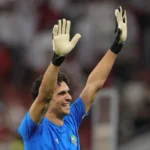
A world-class goalkeeper is essential to any defense, and Morocco benefits from having Yassine Bounou. Strong communication and understanding between defenders and the goalkeeper are crucial for preventing goals.
Bounou’s presence, shot-stopping, and decision-making add security to the defense. Defenders trust him for crucial saves, while he relies on them to block shots and clear danger. This partnership is central to Morocco’s defensive resilienceDefenceAnalysing.
Beyond the Starting XI: Squad Depth
Morocco’s defensive strength goes beyond the starting lineup. Squad depth ensures injuries or suspensions do not weaken the backline. Experienced players like Yunis Abdelhamid and emerging young talents are always considered.
Strong squad depth is vital for managing tournaments and qualifiers, where fatigue and unexpected issues can occur. Ongoing scouting and development keep the pool of defenders evolving, ensuring long-term success for the Atlas Lions.
The European Connection: Impact of Overseas Experience
Many of Morocco’s defenders play in top European leagues, gaining valuable experience against elite competition. This exposure sharpens their skills, tactical understanding, and mental resilience.
European experience exposes players to varied coaching styles, which they bring to the national team. This raises the unit’s quality and adaptability on the international stage.
Conclusion: The Enduring Strength of Morocco’s Backline
Morocco’s defenders form a cohesive unit, earning the “Iron Curtain” reputation for resilience, discipline, and tactical skill. With leaders like Romain Saïss, the dynamism of Achraf Hakimi, and emerging talents like Chadi Riad, the Atlas Lions have a defensive core that rivals any in international football.
With collective effort and Walid Regragui’s tactical leadership, Morocco has become a defensive powerhouse. As the team builds on its achievements, the backline remains central to its strategy and national pride. The future looks bright, thanks to these key defenders.
FAQ Section: Morocco National Team Defenders
Q1: Who are the key central defenders for the Morocco National Team?
A1: The key central defenders for Morocco include captain Romain Saïss, Nayef Aguerd, Achraf Dari, and Jawad El Yamiq. These players form the core of the team’s central defensive unit, bringing a mix of experience, aerial prowess, and ball-playing abilities.
Q2: Which full-backs are crucial for Morocco’s defence and attack?
A2: Achraf Hakimi and Noussair Mazraoui are the most crucial full-backs for the team. Hakimi, typically on the right, is renowned for his blistering pace and attacking contributions. At the same time, Mazraoui, often on the left, provides technical skill, versatility, and defensive solidity, contributing significantly to both phases of play.
Q3: How does Coach Walid Regragui utilise the Morocco National Team defenders?
A3: Coach Walid Regragui employs a flexible tactical system, often transitioning from a 4-3-3 or 4-1-4-1 into a compact 5-4-1 defensive block when out of possession. This strategy utilises full-backs to provide width in attack and then drop deep to form a five-person defence, emphasising collective effort, positional discipline, and quick transitions.
Q4: What role do young talents play in the future of Morocco’s defence?
A4: Young talents like Chadi Riad are crucial for the future of Morocco’s defence. These players are often developed in top academies and bring modern defensive attributes, technical skill, and potential. Their integration ensures a continuous supply of quality defenders, maintaining the team’s defensive strength for years to come.
Q5: How important is the relationship between the Morocco National Team defenders and their goalkeeper?
A5: The relationship between the defenders and goalkeeper Yassine Bounou is extremely important. Effective communication, mutual trust, and a deep understanding of each other’s movements are vital for achieving goals. Bounou’s commanding presence and shot-stopping ability provide an essential layer of security, complementing the defenders’ efforts.