
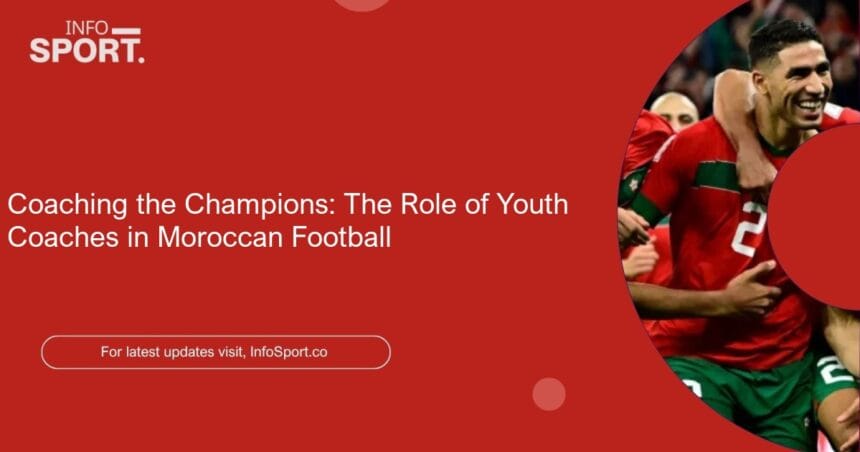
The Moroccan national team’s remarkable success on the global stage has spotlighted not only the players themselves but also the robust infrastructure supporting their development. At the heart of this achievement, often overlooked, are the youth coaches who carefully transform raw talent into future champions. These dedicated professionals serve as architects of potential, working with Moroccan football youth from grassroots levels upward, developing their skills, character, and passion for the game.
Youth coaching extends far beyond tactical instruction; it encompasses mentorship, psychological support, and physical conditioning tailored to each developmental stage. This article explores the multifaceted responsibilities of youth coaches in Moroccan football and examines how their dedication and expertise drive the nation’s continued footballing success and cultivate tomorrow’s stars.
The Foundational Role of Youth Coaches in Moroccan Football
Youth coaches form the bedrock of Moroccan football youth development. Often the first mentors young aspiring footballers encounter, they guide players through their initial steps while nurturing a lasting love for the sport. Their influence is paramount in creating nurturing environments where talent flourishes.
Early Talent Identification and Nurturing
A primary responsibility is identifying emerging talent—not merely spotting athleticism, but recognizing potential, footballing intelligence, and the drive to improve. Coaches at local clubs and academies act as initial scouts, bringing promising youngsters into structured programs. They understand that raw talent requires careful development, providing age-appropriate training focused on fundamental skills rather than premature specialization.
This early phase proves critical for putting players on the right developmental trajectory. The comprehensive approach at Moroccan football youth academies, led by experienced coaches, ensures that overlooked talent receives opportunities, laying groundwork for future accomplishment.

Instilling Core Values and Discipline
Beyond technical skill, youth coaches instill essential values—discipline, respect, teamwork, and sportsmanship—vital both for athletic development and personal growth. Coaches emphasize punctuality, diligence, listening, and respect for opponents and officials, cultivating well-rounded individuals capable of handling professional football’s demands.
Discipline represents a cornerstone of Moroccan football culture, with youth coaches leading this instruction. They cultivate environments where effort receives recognition and accountability is expected, fostering robust work ethic from an early age.
Developing Technical Prowess and Tactical Acumen
The technical and tactical foundations established by youth coaches prove indispensable for long-term success. These coaches break down complex skills and strategies into manageable, progressive steps, building comprehensive game understanding.

Mastering the Ball: Technical Drills
Technical mastery distinguishes great footballers, and youth coaches invest countless hours refining these abilities. Ball control, passing, dribbling, shooting, and heading drills form staples of every session for Moroccan football youth talent. Coaches emphasize precise repetition with increasing complexity as players develop, while encouraging creativity and individual expression within technical foundations.
The focus on technical excellence clearly appears in Moroccan players’ outstanding close control and dribbling. This results directly from dedicated coaching during formative years, ensuring players develop comfort and confidence with the ball.
Game Intelligence: Tactical Education
Technical skill alone doesn’t separate elite players; tactical understanding does. Youth coaches introduce tactical concepts age-appropriately, starting with basic positioning and defensive responsibilities before progressing to complex formations and strategies. They teach players to read matches, anticipate opponents, and make intelligent decisions under pressure.
Small-sided games frequently simulate match conditions, allowing players to apply tactical principles dynamically. Coaches guide these scenarios, helping players understand the reasoning behind movements and decisions, deepening comprehension of team play and individual system roles.
Beyond the Pitch: Psychological and Physical Development
Youth coaching extends beyond technical and tactical domains into mental fortitude and physical conditioning—essential for high-level performance.
Building Mental Resilience and Confidence
Football demands mental strength alongside physical prowess. Youth coaches develop mental resilience, teaching players to manage pressure, handle setbacks, and accept criticism constructively. They cultivate growth mindsets, framing mistakes as learning rather than failure. Confidence-building exercises, positive reinforcement, and personalized feedback help players develop self-belief.
More Read

Bouncing back from defeat, maintaining focus under pressure, and performing consistently all require strong mental foundations carefully cultivated throughout development. This psychological grounding proves especially vital as players navigate competitive challenges in Moroccan football youth development.
Age-Appropriate Physical Training
Physical development represents another critical domain. Youth coaches design age-appropriate conditioning programs emphasizing agility, speed, strength, and endurance without overtaxing developing bodies. The focus remains on long-term athletic development, building solid physical foundations that minimize injury risk and maximize performance as players mature.
Understanding physical growth stages proves essential. Coaches tailor training loads to different age groups, progressively introducing more intense conditioning as bodies develop capacity. This measured approach prevents burnout and maintains player health and motivation.
Mentorship and Character Building in Moroccan Football Youth
Perhaps most profoundly, youth coaches serve as mentors, becoming significant figures in young players’ lives, offering guidance extending beyond football.
Coaches as Role Models
Youth coaches wield considerable influence as role models. Their conduct, passion, and dedication profoundly shape the athletes under their care. They demonstrate through example the values of diligence, respect, and perseverance. Many successful Moroccan players credit particular youth coaches with transforming their careers and personal development, testifying to these mentors’ lasting impact.
This mentorship proves especially vital in communities where positive influences are scarce, offering young players a path in football and life guidance. Coaches help shape the personalities and aspirations of Morocco’s emerging top talents.
Fostering Teamwork and Discipline
As a team sport, football thrives on collective effort, and youth coaches excel at building camaraderie and shared responsibility. They teach players the importance of collaboration, teammate support, and prioritizing team success over individual achievement. This emphasis builds strong bonds and positive team culture essential for success at any level.
Discipline receives constant reinforcement through adherence to team rules, ethical play, and respectful conduct. Coaches help players understand consequences of their actions—both athletic and personal—developing them into disciplined, responsible adults.
Challenges Faced by Youth Coaches in Moroccan Football
Despite their vital role, youth coaches in Morocco often encounter significant obstacles impeding their efforts and youth talent development. Addressing these barriers remains essential for sustained progress.
Resource Limitations and Infrastructure Gaps
While major academies operate with adequate resources, many grassroots clubs and community programs struggle with limited funding, inadequate facilities, and scarce modern equipment. Coaches in these settings frequently demonstrate resourcefulness, maximizing available resources. This can compromise training quality and consistency, potentially hindering talented young players lacking access to elite facilities.
The challenges and achievements in Moroccan football youth development reveal resource disparities, with lower-tier coaches frequently facing such struggles while maintaining unwavering dedication.
Balancing Development with Results Pressure
Competitive youth football sometimes prioritizes winning over long-term development. Coaches face pressure from parents, officials, and players alike to deliver victories, sometimes leading to short-term thinking—overplaying certain talented individuals or overlooking late bloomers. This conflicts with holistic player development approaches.
Skilled youth coaches navigate this tension by maintaining clear developmental philosophies, ensuring that winning emerges from solid development rather than becoming its sole objective. This requires strong conviction and leadership.
Maintaining Player Retention and Motivation
Keeping young players engaged over years presents significant challenges. Academic demands, competing interests, or waning passion can lead to attrition. Youth coaches must create engaging, stimulating environments that maintain player excitement about training and matches, acting as motivators helping players overcome slumps and rekindling football passion.
Effective communication with players and families proves key to identifying and addressing disengagement factors, ensuring talented youngsters remain in the football pipeline.
Training and Professionalization of Moroccan Football Youth Coaches
Recognizing youth coaches’ pivotal importance, the Royal Moroccan Football Federation (FRMF) and various clubs have advanced coach education and professional development. This represents part of the strategic vision for Moroccan football youth development.
The Role of the Royal Moroccan Football Federation (FRMF)
The FRMF implements comprehensive coaching education programs offering various coaching licenses (CAF C, B, A) that equip coaches with modern methodologies, sports science knowledge, and youth development best practices. These initiatives standardize coaching quality nationwide, ensuring consistent, high-quality instruction for young players.
By investing in coach education, the FRMF ensures those shaping the next generation of Moroccan football youth talent remain well-prepared and continuously improving.
Continuous Professional Development
Beyond initial certifications, ongoing professional development remains crucial. Youth coaches attend workshops, seminars, and conferences, staying abreast of latest coaching trends, sports psychology, and physical conditioning advances. Knowledge-sharing among coaches fosters collaborative environments benefiting the entire youth system.
This continuous learning keeps Moroccan youth coaches current with modern football development, enabling adaptation to evolving game demands while maintaining international standards comparable to other African nations.
The Impact on National Success and Future Prospects
The Moroccan national team’s success, particularly their historic 2022 FIFA World Cup campaign, reflects decades of youth development investment, where youth coaches played an undeniable, central role.
From Academies to Atlas Lions
Many current Atlas Lions progressed through Moroccan youth academies and local clubs under dedicated coaching. These coaches provided foundational development, nurturing talent from childhood and preparing players for professional demands. The seamless progression from youth systems to national recognition underscores the system’s effectiveness and coaching quality.
Clear pathways for Moroccan football youth talent exist, with coaches as primary guides ensuring player readiness for advancement.
Sustaining the “Golden Generation” Legacy
Morocco’s current “Golden Generation” resulted from sustained youth development efforts. Maintaining this legacy and ensuring future success makes youth coaches increasingly critical. They must identify and develop the next talent wave, ensuring Morocco continues producing world-class competitors capable of performing at the highest levels.
Ongoing youth coach efforts in scouting and developing Moroccan football youth prodigies remain fundamental to maintaining talent pipelines feeding national teams and top clubs globally.
The Future of Youth Coaching in Moroccan Football
As Moroccan football builds upon recent achievements, youth coaching’s future role becomes paramount. Innovation, investment, and recognition for these essential professionals will prove decisive.
Embracing Modern Methodologies and Technology
Youth coaching will increasingly integrate modern methodologies and technology. Data analytics, video analysis, and sports science will become more accessible, enabling coaches to personalize training, track progress, and identify improvement areas with precision. This technological integration will enhance youth development effectiveness nationwide.
Coaches must remain adaptable, embracing advancements to stay competitive and provide optimal development environments for future stars from Moroccan football youth academies.
Greater Investment and Recognition
Attracting and retaining top coaching talent requires continued investment in youth programs—competitive compensation, improved facilities, and professional development opportunities. Additionally, greater recognition of youth coaches’ vital contributions will elevate their status and inspire more dedicated individuals toward this essential profession.
Recognizing youth coaches as fundamental to national football identity—alongside the players they develop—will ensure their contributions receive appropriate value and support, securing bright prospects for Moroccan football youth.
Frequently Asked Questions about Youth Coaches in Moroccan Football
What is the primary role of youth coaches in Moroccan football?
Youth coaches identify, nurture, and develop young talent from early ages. This includes teaching fundamental technical skills, fostering tactical understanding, building mental resilience, guiding physical development, and promoting character through mentorship and discipline. They form the foundation of the Moroccan football youth development system.
How do Moroccan youth coaches contribute to the success of the national team?
Youth coaches contribute substantially by establishing groundwork for future professionals. They train players in academies and local clubs, ensuring they develop necessary skills, tactical awareness, and mental strength to progress through ranks and eventually represent the national team, exemplified by the current “Golden Generation.”
What challenges do youth coaches in Morocco typically face?
Youth coaches frequently encounter limited resources and inadequate facilities, particularly at grassroots levels. They also navigate pressure to prioritize short-term results over long-term development and the ongoing challenge of maintaining player engagement amid academic and competing interests.
What kind of training and qualifications do Moroccan youth coaches receive?
The Royal Moroccan Football Federation (FRMF) provides comprehensive coaching education programs offering various coaching licenses (CAF C, B, A). These programs equip coaches with modern methodologies, sports science knowledge, and youth development best practices, while encouraging continuous professional development through workshops and seminars.
How important is character building and mentorship for Moroccan youth coaches?
Character building and mentorship represent incredibly important aspects of youth coaching. Coaches serve as significant role models, instilling values like discipline, respect, teamwork, and sportsmanship. They guide young players through personal and athletic challenges, developing mental resilience and helping them become well-rounded individuals both athletically and personally.