
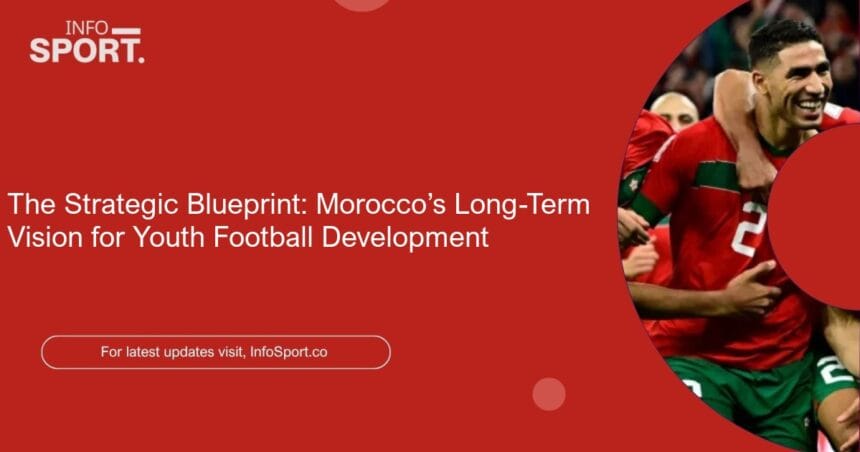
Morocco has emerged as a formidable force in global football, a transformation largely attributed to a meticulously crafted, long-term strategic blueprint for youth development. This ambitious vision aims to cultivate a continuous pipeline of talent, ensuring sustained success on both continental and international stages. The commitment to nurturing young athletes from an early age distinguishes Morocco as a leader in sporting development within Africa. The national team’s historic performance at recent World Cups testifies directly to the efficacy of these foundational investments in Moroccan football youth. This article explores the comprehensive strategy underpinning Morocco’s rise, examining the key initiatives and institutions driving its youth football revolution.
The Foundation of Success: A Holistic Vision for Moroccan Football Youth
Morocco’s transformation began with a clear vision: to create a self-sustaining ecosystem that identifies, nurtures, and produces world-class talent. This vision extends beyond winning games to fostering a culture of excellence, discipline, and continuous improvement from grassroots level upwards. The strategy emphasizes a holistic approach, addressing technical and tactical skills alongside the physical, psychological, and educational dimensions of young players’ development.
Royal Support and Federation’s Commitment
Central to Morocco’s footballing renaissance is the unwavering support from His Majesty King Mohammed VI, whose personal interest and substantial investments have propelled this ambitious project. The Royal Moroccan Football Federation (FRMF), under Fouzi Lekjaa’s leadership, has translated this royal vision into actionable strategies. This top-down commitment ensures efficient resource allocation and steadfast adherence to long-term goals, regardless of short-term outcomes. The FRMF has created robust regulatory frameworks, established modern infrastructure, and fostered partnerships that benefit investment in Moroccan football’s future.
Long-Term Goals and Objectives
The strategic blueprint is characterized by several clear objectives: increasing youth participation rates, enhancing coaching quality, establishing world-class facilities, and ensuring seamless transitions from youth academies to professional clubs and national teams. The ultimate aim is to consistently produce internationally competitive players, solidifying Morocco’s position as a footballing powerhouse in Africa and beyond. This foresight distinguishes the Moroccan approach, prioritizing sustainable growth over fleeting success.
Pillars of the Blueprint: Key Strategic Areas
Morocco’s strategic framework rests upon several interconnected pillars, each strengthening a specific aspect of development. Together, they form a robust system supporting continuous growth and evolution of young talent.

Enhancing Infrastructure and Facilities
State-of-the-art facilities form the cornerstone of successful football development. Morocco has invested heavily in creating world-class environments where young players can train and develop optimally.
National Football Academy (Mohammed VI Football Academy)
The Mohammed VI Football Academy, inaugurated in 2009, represents the crown jewel of this infrastructure initiative. More than a training center, it is a comprehensive educational and athletic institution designed to nurture the most promising young athletes, forging future stars. Its facilities include multiple pitches, gymnasiums, medical centers, classrooms, and accommodation, providing a complete environment for player development. The academy’s track record of producing national team players and top European talent underscores its critical importance to the strategic vision.
Regional Training Centers
Beyond the national academy, the FRMF has established and upgraded regional training centers throughout the country. These serve as local hubs for talent identification and development, ensuring promising young players from all regions access quality coaching and facilities. This decentralized approach broadens the talent pool and addresses geographical disparities in opportunity.

Elevating Coaching Standards and Education
Coaching quality is paramount to developing skilled players. Morocco’s strategy emphasizes raising standards through rigorous training and continuous education programs.
Professional Development Programs
The FRMF has implemented extensive professional development initiatives for coaches across all levels, from grassroots to elite academies. These programs focus on modern methodologies, sports science, and player psychology, while encouraging international certifications and engagement with latest developments. This investment in human capital ensures young players receive instruction from highly qualified mentors, directly impacting youth coaching excellence in Moroccan football.
Specialization in Youth Coaching
Recognizing young athletes’ unique needs, the strategy promotes youth coaching specialization. Coaches receive training for specific age groups, understanding developmental stages and tailoring programs accordingly. This nuanced approach prevents burnout, fosters long-term engagement, and maximizes player potential.
Comprehensive Talent Identification and Scouting
Early and effective talent identification is crucial. Morocco has developed a sophisticated system ensuring no potential is overlooked.
Grassroots Programs
The blueprint invests heavily in grassroots football, reaching schools, local clubs, and community centers. These initiatives introduce the game to children early, fostering passion while providing initial scouting opportunities. Festivals, local leagues, and school competitions form the pyramid’s foundation.
Data-Driven Scouting Networks
Morocco employs modern, data-driven techniques across its nationwide scouting network. Performance analytics and video analysis assess current ability and growth potential, helping identify the nation’s next football prodigies.

Integrating Diaspora Talent
A unique strength lies in integrating diaspora talent. The blueprint includes dedicated programs identifying and recruiting players of Moroccan descent abroad, particularly in Europe. These athletes bring valuable experience from top European academies, enriching the national talent pool. This approach ensures Morocco benefits from its global community, as detailed in Diaspora Dynamos: Integrating Moroccan Talent from Abroad into the National Team Pipeline.
Revitalizing Youth Leagues and Competitions
A robust competitive structure is essential for development, providing young athletes opportunities to test skills and grow under pressure.
Structured Competition Formats
The FRMF has restructured youth competitions to provide meaningful, developmentally appropriate challenges. Age-group specific leagues, regional tournaments, and national championships create a clear pathway from local pitches to national representation. The emphasis remains on regular, competitive play simulating professional environments.
Fair Play and Development Focus
Beyond competition, these leagues promote fair play, sportsmanship, and holistic development. While results matter, player well-being and ethical conduct take priority. The focus remains learning and improvement, preparing players for both football careers and life.
Sports Science and Holistic Player Development
Modern football demands more than technical skill. Morocco’s strategy incorporates advanced sports science and comprehensive player development.
Physical, Mental, and Nutritional Support
Academy players receive comprehensive support in physical conditioning, mental resilience, and nutrition. Sports scientists, psychologists, and nutritionists collaborate with coaches to optimize performance and prevent injuries, ensuring well-rounded athletes capable of handling professional demands.
Education and Life Skills
Recognizing that not all young players reach professional levels, the blueprint emphasizes education and life skills. Academies integrate academic curricula alongside football training, ensuring quality education. Workshops in financial literacy, media training, and personal development prepare players for life beyond sport, addressing key challenges within youth development.
The Mohammed VI Football Academy: A Jewel in the Crown of Moroccan Football Youth Development
The Mohammed VI Football Academy stands as a beacon of Morocco’s commitment to its footballing future. More than a training ground, it symbolizes ambition and meticulous planning, playing a pivotal role in the strategic blueprint for Moroccan football youth.
State-of-the-Art Facilities and Curriculum
The academy’s facilities are unparalleled in Africa, featuring multiple natural and artificial grass pitches, an indoor arena, medical center with cutting-edge technology, rehabilitation facilities, high-performance gym, classrooms, library, and residential blocks. The curriculum is equally advanced, blending intensive football training with a robust academic program. Players receive coaching from highly qualified professionals, including former national team players and internationally certified coaches, while pursuing their studies to baccalaureate level. This dual focus prepares players for both potential football careers and alternative paths, embodying a truly holistic philosophy.
Producing Elite Talent
The academy’s impact is undeniable. It has consistently produced players for the national team at various levels, including the senior squad that achieved historic success at the 2022 FIFA World Cup. Players like Azzedine Ounahi, Nayef Aguerd, and Youssef En-Nesyri exemplify talents who have passed through the academy or benefited from its ecosystem. The academy’s success validates the strategic investment and serves as a model for other nations, while remaining instrumental in identifying Morocco’s emerging top talents.
Integrating Diaspora Talent: A Strategic Advantage for Moroccan Football Youth
Morocco’s significant diaspora across Europe has been strategically leveraged to enhance its talent pool. This approach is a critical component of the long-term vision for Moroccan football youth development.
Outreach Programs and Networks
The FRMF has established extensive outreach programs and scouting networks in countries with large Moroccan populations, including Belgium, France, the Netherlands, and Spain. These networks identify young players of Moroccan heritage developing in European academies. The federation organizes regular training camps, friendly matches, and cultural exchanges connecting with these players and families, fostering belonging and national pride. This engagement is crucial for attracting top talent who might otherwise represent their birth countries.
Seamless Integration into National Teams
Once identified, diaspora players are seamlessly integrated into Morocco’s youth national team structure. The FRMF provides a supportive environment facilitating adaptation to culture and playing style. This strategy has proven incredibly successful, with many national team key players having developed in European academies before choosing Morocco. This dual approach of developing local talent and integrating diaspora players creates a deep, diverse pool, providing significant competitive advantage, as discussed in Diaspora Dynamos: Integrating Moroccan Talent from Abroad into the National Team Pipeline.
Measuring Progress and Adapting Strategies
An effective long-term vision requires continuous evaluation and adaptive flexibility. Morocco’s strategic blueprint for youth development incorporates these principles.
Performance Metrics and Evaluation
The FRMF employs robust performance metrics evaluating program effectiveness. This includes tracking player progression, youth national team success, academy graduate professional contracts, and grassroots participation rates. Regular audits and reviews identify strengths and weaknesses, ensuring accountability and transparency.
Continuous Improvement and Flexibility
The blueprint is not static but a living document undergoing continuous refinement based on feedback, evolving trends, and international best practices. Morocco actively engages international collaborations and benchmarks programs against leading footballing nations, including comparisons with other African development models. This commitment ensures Morocco’s strategy remains innovative and responsive to challenges and opportunities.
The Impact and Future Prospects for Moroccan Football Youth
The strategic blueprint has already delivered remarkable results, transforming the landscape of youth development and positioning Morocco for continued success.
National Team Success and Global Recognition
The most visible impact is unprecedented national team success. The senior squad’s semi-final appearance at the 2022 FIFA World Cup marked a historic milestone, showcasing the quality of players produced through this system. Moroccan youth teams have similarly achieved success in continental competitions, signaling a bright future. This consistent performance has elevated Morocco’s global standing, attracting international attention and respect for its development model.
Sustaining the Momentum
Looking ahead, Morocco must sustain this momentum while building upon strong foundations. The blueprint is designed to be self-perpetuating, with successive talent generations continually emerging. Ongoing investments in infrastructure, coaching, and talent identification, coupled with commitment to holistic development, position Morocco to remain a dominant African force and consistent world-stage competitor. The future of youth development and future prospects appears exceptionally promising.
In conclusion, Morocco’s long-term vision for youth football development reflects strategic planning, sustained investment, and unwavering commitment. By focusing on infrastructure, coaching, talent identification, holistic development, and leveraging its diaspora, Morocco has created a robust system consistently producing elite players. This comprehensive blueprint serves as an inspiring model, demonstrating that with foresight and dedication, a footballing revolution is indeed achievable.
FAQ: Moroccan Football Youth Development
Q1: What is the main goal of Morocco’s long-term vision for youth football development?
A1: The main goal is to create a sustainable ecosystem that consistently identifies, nurtures, and develops world-class football talent from grassroots to professional levels, ensuring sustained success on both continental and international stages.
Q2: How does the Mohammed VI Football Academy contribute to this vision?
A2: The Mohammed VI Football Academy is the cornerstone, providing state-of-the-art facilities, a comprehensive curriculum blending football training with academic education, and producing elite players for national teams and top clubs. It remains key to developing young talent.
Q3: How does Morocco integrate talent from its diaspora into the national football system?
A3: Morocco employs extensive outreach programs and scouting networks in countries with large diaspora populations. They organize training camps and cultural exchanges to connect with these players, encouraging Morocco representation and seamlessly integrating them into youth national teams.
Q4: What role does coaching play in Morocco’s strategic blueprint for youth development?
A4: Coaching is critical. The FRMF invests heavily in professional development programs emphasizing modern methodologies, sports science, and youth-focused specialization to ensure young players receive high-quality instruction and comprehensive guidance.
Q5: What impact has this long-term vision had on Moroccan football so far?
A5: The vision has led to significant success, most notably the senior national team’s historic semi-final appearance at the 2022 FIFA World Cup. It has also resulted in consistent youth national team success and a continuous pipeline of talented emerging players.