
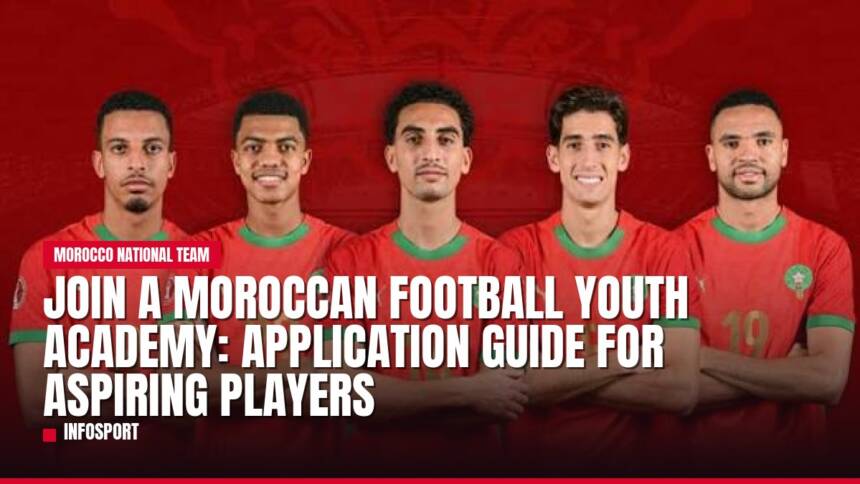
Join a Moroccan Football Youth Academy: Application Guide for Aspiring Players
Moroccan football has captured global attention through its remarkable rise on the international stage. The success of the national team and leading clubs stems from a robust and continuously evolving youth development system. For aspiring footballers worldwide, joining a Moroccan football youth academy offers an unparalleled pathway to professional football. These institutions serve as more than training grounds—they are environments where raw talent is refined into future stars.
This comprehensive guide illuminates the path for young players dreaming of making their mark in the beautiful game. We will explore everything from understanding Morocco’s youth football landscape to the meticulous steps involved in applications and trials, ensuring you are well-prepared for this exciting journey.
Why Choose a Moroccan Football Youth Academy?
The decision to join a football academy is significant, and Morocco presents a compelling case for aspiring talents. The nation’s commitment to football development has yielded impressive results, making its youth academies highly sought after.
A Legacy of Talent Development
Morocco’s recent achievements—including the Atlas Lions’ historic run at the 2022 FIFA World Cup and consistent success in CAF competitions—demonstrate the effectiveness of its youth development programs. Built on decades of grassroots investment and structured academy systems, these successes showcase how the country cultivates talent. Players like Achraf Hakimi and Youssef En-Nesyri either honed their skills or were inspired by the excellence fostered within these systems. The country is producing a Golden Generation: How Moroccan Football Youth Academies are Forging Future Stars, providing a clear blueprint for success.
World-Class Facilities and Coaching
The Royal Moroccan Football Federation (FRMF) has made substantial investments in infrastructure. The Mohammed VI Football Academy, inaugurated in 2019, exemplifies this commitment with state-of-the-art facilities rivaling Europe’s best. This academy, alongside major club academies, provides professional training environments featuring modern pitches, gyms, medical centers, and accommodation. The coaching staff typically comprises highly qualified professionals with international experience, dedicated to nurturing talent. Their expertise plays a crucial role in Coaching the Champions: The Role of Youth Coaches in Moroccan Football, ensuring players receive top-tier guidance.

Strategic Pathways to Professional Football
Moroccan academies offer clear pathways for Moroccan football youth talent from local pitches to national success. A well-defined progression exists from youth teams through reserve squads to senior professional teams in the Botola Pro league. Beyond domestic opportunities, Morocco’s strong football reputation means talented graduates attract European clubs’ attention, opening international career doors. This strategic development provides players with tangible advancement goals and opportunities.
Understanding the Moroccan Football Youth Academy Landscape
Before applying, understanding the different academy types and their offerings is essential. This knowledge helps you identify the best fit for your aspirations and development needs.
Key Academies and Their Focus
Morocco’s academy landscape is diverse. The Mohammed VI Football Academy serves as the national flagship, focusing on identifying and developing elite talent across the country. It plays a pivotal role in How Morocco Discovers Its Next Football Prodigies. Major clubs including Raja Club Athletic, Wydad Athletic Club, Fath Union Sport (FUS Rabat), and AS FAR (Royal Army) operate highly reputable academies that function as direct feeder systems for their senior teams, providing clear progression paths. Smaller regional centers and private academies also contribute substantially to the overall talent pool.

Age Categories and Eligibility
Moroccan football youth academies typically organize players into age-specific categories aligned with international standards, ranging from U13 (Under 13) through U19 or U21. Each category has specific developmental objectives, emphasizing age-appropriate technical, tactical, physical, and psychological training. Eligibility primarily depends on age, though academies value players demonstrating exceptional potential within certain age ranges. Some may have specific educational requirements or geographical preferences, particularly for younger players.
What Academies Look For
Academies seek well-rounded footballers with particular strengths:
- Technical Skills: Ball control, passing accuracy, dribbling ability, and shooting technique.
- Tactical Understanding: Positional awareness, sound decision-making, strategic awareness, and game-reading ability.
- Physical Attributes: Speed, agility, endurance, strength, and athleticism suited to the player’s position.
- Mental Fortitude: Resilience, determination, discipline, composure under pressure, and coachability.
- Attitude: Strong work ethic, respect for coaches and teammates, positive demeanor, and willingness to improve.
Beyond raw talent, academies value committed players with strong character both on and off the pitch.
Step-by-Step Application Guide for Moroccan Football Youth Academies
While application processes vary between academies, a general framework applies. Following these steps significantly improves your chances of being noticed.
Step 1: Research and Identify Target Academies
Begin by thoroughly researching various academies. Consider their track record, facilities, coaching philosophy, and graduate success stories. Visit official websites, review news articles, and connect with current or former players and coaches if possible. Identify which institutions align with your playing style, position, and career goals. Some academies specialize in specific age groups or emphasize academic integration.
Step 2: Prepare Your Football CV and Highlight Reel
A professional football CV and compelling highlight reel are your primary tools for making a strong first impression. Your CV should include:

- Full name, date of birth, nationality, height, and weight.
- Preferred playing position(s).
- Contact information (email and phone).
- Previous clubs, including dates and league levels.
- Key achievements (goals, league wins, national team call-ups).
- Relevant awards and individual accolades.
- Academic background.
Your highlight reel should be concise (3-5 minutes) and showcase your best match moments. Demonstrate technical skills, tactical intelligence, decision-making, and physical attributes through goals, assists, defensive actions, dribbles, and overall involvement. Quality surpasses quantity. Ensure clear editing and easy accessibility (YouTube link preferred). This reel is essential for scouts seeking Morocco’s Next Top Talents: Players to Watch in Youth Football.
Step 3: Initial Contact and Inquiry
Once your materials are ready, contact your target academies. Most have dedicated online application forms or scouting email addresses. When reaching out:
- Write a professional, concise email or complete the form accurately.
- Introduce yourself, state your age and position, and express interest in joining.
- Attach your football CV and provide your highlight reel link.
- Be polite, respectful, and patient. High application volumes mean responses may take time.
Avoid making multiple contacts within short periods unless instructed otherwise.
Step 4: Attending Trials and Open Days
If an academy expresses interest, you will receive a trial or open day invitation. This is your opportunity to demonstrate your abilities. Preparation is critical:
- Physical Fitness: Train regularly, focusing on endurance, speed, strength, and agility to ensure peak condition.
- Mental Preparation: Approach trials with confidence, focus, and positivity. Visualize success and remain adaptable to different coaching styles.
- Equipment: Bring appropriate football boots, shin guards, training gear, a water bottle, and personal necessities.
- What to Expect: Trials typically include technical drills, positional exercises, small-sided games, and full-match simulations assessing all performance aspects.
- Showcase Your Unique Abilities: Let your distinctive talents stand out—whether vision, pace, defensive strength, or goal-scoring ability—rather than merely fitting in.
Coaches observe not only your skills but also your attitude, work ethic, and interpersonal abilities.
Step 5: The Selection Process and Feedback
Selection often involves multi-staged trials or observation periods requiring patience and resilience. Successful candidates receive offers and further details. If not selected, request feedback to identify improvement areas. This insight is invaluable for your development. The professional football journey frequently involves challenges and triumphs: The Reality of Youth Development in Moroccan Football, and learning from every experience proves crucial.
Essential Considerations for Aspiring Moroccan Football Youth Players
Beyond applications, several practical and personal factors matter for young players joining Moroccan academies.
Academic Requirements and Support
Leading Moroccan academies emphasize balancing football development with academic education. Players typically continue schooling with academy-provided tutoring, study facilities, or educational partnerships. This dual pathway ensures career options beyond football and develops well-rounded individuals. Investigate academic support structures during your research.
Financial Aspects and Scholarships
Academy costs vary considerably. Elite national institutions like Mohammed VI Football Academy may offer fully funded programs for selected talents, while club-affiliated or private academies typically charge fees for training, accommodation, and living expenses. Travel costs and equipment require consideration. Some academies offer scholarships for exceptionally talented players with financial need. Investigate these aspects early. Investment in Tomorrow: Funding the future of Moroccan youth football is significant, though individual circumstances differ.
Accommodation and Integration
For relocating players, accommodation is crucial. Top academies typically provide boarding facilities offering structured, supportive environments with meals, supervision, and resource access. For international players or those from the Diaspora, Dynamos: Integrating Moroccan Talent from Abroad into the National Team Pipeline, cultural integration matters significantly. Learning basic Darija (Moroccan Arabic) or French, understanding local customs, and embracing new experiences aid integration and comfort within the academy community.
Mental Fortitude and Resilience
Academy journeys demand significant physical and mental commitment. The competitive environment, performance pressure, and inevitable setbacks require tremendous mental strength. Players must prepare for rigorous training, potential injuries, and possible non-selection periods. Developing a support system—through family, mentors, or sports psychologists—proves crucial for navigating challenges and maintaining positivity.
The Future of Moroccan Football Youth Development
Morocco’s commitment to youth development continues strengthening. Ongoing infrastructure investment, coaching development, and scouting expansion ensure continued talent pipeline growth. Strategic initiatives like Morocco’s Long-Term Vision for Youth Football Development guarantee flourishing opportunities. For aspiring players, joining a Moroccan academy means accessing exceptional development environments and excellent professional advancement prospects within a vibrant, forward-thinking football culture.
Your Journey into Moroccan Football Youth begins here.
Joining a Moroccan football youth academy is challenging yet rewarding. It demands dedication, talent, and strategic application planning. Thorough academy research, compelling profile preparation, strong trial performance, and embracing holistic development significantly increase your success chances.
Morocco offers a unique blend of passion, professionalism, and opportunity for young footballers. If you possess the talent, drive, and commitment, a Moroccan academy could be your ideal professional football launchpad. Take the first step today—research, prepare, and pursue your dream with confidence.
Frequently Asked Questions about Moroccan Football Youth Academies
Q1: What is the typical age range for joining a Moroccan football youth academy?
A1: Most Moroccan football youth academies accept players ranging from U13 (Under 13) through U19 or U21. Specific age categories vary by academy, but focus generally centers on developing players through their teenage years into young adulthood, preparing them for professional football. Some academies may have younger grassroots development groups.
Q2: Do Moroccan football youth academies accept international players?
A2: Yes, many prominent academies welcome international players, including those from the Moroccan diaspora and other countries. They often actively seek exceptional talent regardless of nationality. However, international players must navigate visa and residency requirements, and competition for spots remains intense.
Q3: What are the main costs associated with joining a Moroccan football youth academy?
A3: Costs vary significantly. Elite national academies like Mohammed VI Football Academy may offer fully funded programs for selected talents. Club or private academies typically charge fees covering training, accommodation, meals, and academic support. Players should also budget for travel expenses, equipment, and personal living costs. Direct inquiry with each academy regarding financial structure is essential.
Q4: How important is academic performance when applying to a Moroccan football youth academy?
A4: Academic performance is highly important. Moroccan academies emphasize dual pathways, ensuring players receive comprehensive education alongside football training. Many require maintaining good grades and provide academic support, balancing studies with demanding schedules. Strong academic standing demonstrates discipline and well-rounded character, which academies value.
Q5: What are my chances of becoming a professional footballer after joining a Moroccan football youth academy?
A5: While academy membership significantly increases your chances, professional football is never guaranteed. Success requires continuous hard work, dedication, resilience, and some fortune. Academies provide optimal development environments, but ultimate success depends on individual commitment, talent, and opportunity-seizing ability. Many graduates pursue professional careers both domestically and internationally.