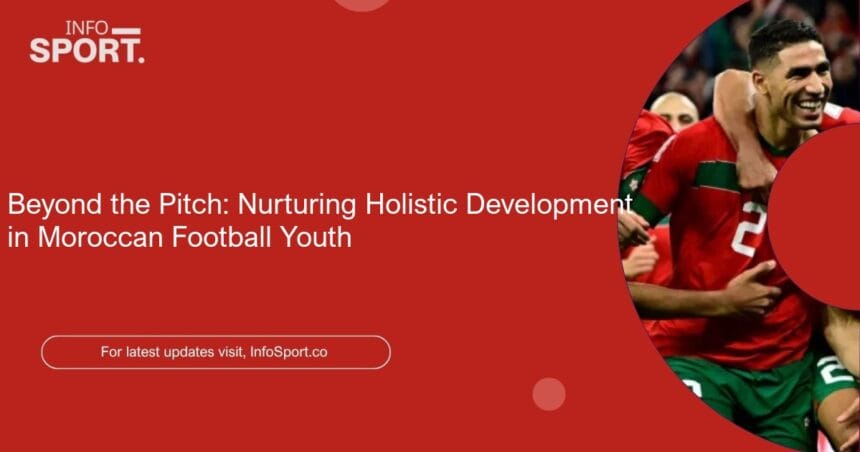
Beyond the Pitch: Nurturing Holistic Development in Moroccan Football Youth
The success of Moroccan football on the global stage, particularly the Atlas Lions’ historic run in recent tournaments, has shone a spotlight on the nation’s robust youth development programs. However, becoming a professional footballer involves far more than mastering technical skills. For young players in Morocco, an effective development strategy extends beyond technical and tactical training, embracing a holistic approach that nurtures every aspect of their lives. This comprehensive methodology ensures that athletes develop not only exceptional talent but also become well-rounded individuals prepared for success both within and outside the beautiful game.
The Paradigm Shift: From Skill-Centric to Holistic Development
Historically, youth football development focused almost exclusively on technical proficiency, physical conditioning, and tactical understanding. While these elements remain crucial, modern football recognizes the intricate interplay of psychological, social, and educational factors in long-term player success and well-being. This shift means creating environments where personal growth is valued as much as sporting achievement.
Beyond Technical Prowess: The Mental and Emotional Game
Competitive football presents immense pressures through professional contracts, public scrutiny, and demanding expectations. Developing mental resilience, emotional intelligence, and effective coping mechanisms is paramount. A holistic approach equips young players with psychological tools to navigate highs and lows, manage stress effectively, and maintain focus during high-pressure situations, while also building capacity to recover from setbacks.
Academic Excellence: The Dual Career Path
Not every talented young player reaches the professional ranks, and even for those who do, athletic careers are finite. Integrating academic education alongside football training provides essential protection and creates opportunities for life after sport. Many academies in Morocco now prioritize dual career pathways, ensuring players receive quality schooling that prepares them for alternative careers should their sporting dreams not materialize.
Social Responsibility and Character Building
Footballers often serve as role models within their communities. Nurturing strong character, promoting ethical behavior, and instilling social responsibility are vital components of comprehensive development. This includes fostering teamwork, respect, discipline, leadership, and humility, shaping young athletes into positive contributors to society both on and off the pitch.

Key Pillars of Holistic Development
Implementing a comprehensive development framework requires a multi-faceted approach that integrates various support systems and educational components.
Psychological Support and Mental Resilience Training
Modern football demands robust mental strength. Young players face intense pressure from coaches, peers, parents, and themselves. Comprehensive psychological support helps them develop resilience, manage anxiety, and improve concentration through:
- Individual and Group Counseling: Providing safe spaces for players to discuss challenges and develop coping strategies.
- Mindfulness and Visualization Techniques: Enhancing focus and performance under pressure.
- Stress Management Workshops: Equipping players with tools to handle competitive and personal demands.
- Performance Psychology Coaching: Helping players optimize their mental approach to training and matches.
Educational Integration: Balancing Books and Balls
Educational commitment serves as a cornerstone of comprehensive development. Academies and clubs increasingly recognize the importance of flexible educational pathways that accommodate rigorous training schedules.
More Read

- On-Site Schools or Partner Institutions: Establishing dedicated educational facilities within academies or forging partnerships with local schools to ensure academic continuity.
- Tutoring and Academic Mentorship: Offering additional support to help players manage studies and catch up on missed lessons.
- Vocational Training: Providing alternative educational routes or skill development opportunities for those pursuing non-traditional academic paths.
Nutritional Guidance and Physical Well-being
Physical health directly impacts performance and career longevity. Comprehensive support includes nutrition, recovery, and injury prevention strategies.
- Personalized Nutrition Plans: Tailoring diets to individual needs, training loads, and growth phases.
- Hydration Education: Emphasizing proper hydration’s critical role in performance and health.
- Sleep Hygiene Workshops: Educating players on the importance of adequate rest and recovery.
- Injury Prevention and Rehabilitation Programs: Implementing proactive measures to minimize injuries and providing expert recovery care.
Life Skills and Character Development
Beyond tactical instruction, young players need essential life skills that serve them throughout their careers and beyond. This aspect of development focuses on shaping well-rounded individuals.
- Leadership Training: Identifying and nurturing natural leaders while teaching effective communication and decision-making.
- Teamwork and Collaboration Workshops: Reinforcing the importance of collective effort and mutual support.
- Financial Literacy: Educating young players on responsible financial management, especially as they approach professional contracts.
- Media Training: Preparing players to handle media interactions professionally and responsibly.
- Community Service and Volunteering: Instilling civic duty and encouraging contribution to society.
Cultural Identity and National Pride
For players integrating talent from abroad and within the country, fostering a strong connection to Moroccan culture and values is crucial. This creates team cohesion and a profound sense of purpose when representing the nation.
- Cultural Education Programs: Teaching Moroccan history, traditions, and values.
- Language Immersion: Ensuring proficiency in Arabic and/or Tamazight, particularly for diaspora players.
- Heritage Visits: Connecting players to their roots and fostering national pride through historical site visits.
The Role of Academies and Federations in Youth Development
Successful comprehensive development hinges on commitment and infrastructure provided by key institutions. The Royal Moroccan Football Federation (FRMF) and leading academies play pivotal roles.
Mohammed VI Football Academy as a Model
The Mohammed VI Football Academy stands as a beacon of comprehensive development, not only in Morocco but across Africa. It exemplifies an integrated approach where world-class football training seamlessly blends with comprehensive education and robust psychological support. This institution demonstrates how academies develop future stars by prioritizing complete player development.
FRMF Initiatives and Strategic Vision
The FRMF has driven the shift toward comprehensive development through various initiatives. Its strategic blueprint emphasizes technical excellence alongside educational and personal growth. Key initiatives include:

- Standardization of Development Programs: Ensuring baseline quality across all academies and clubs.
- Investment in Specialized Staff: Funding sports psychologists, nutritionists, academic counselors, and character development coaches.
- Talent Identification and Scouting Systems: Identifying promising young talents and integrating them into structured pathways prioritizing overall well-being.
Collaboration with Parents and Communities
Development is a shared responsibility requiring engagement with parents and the wider community to create a supportive ecosystem. This includes:
- Parental Education Programs: Helping parents understand youth football demands and how best to support their children’s development.
- Community Engagement: Integrating academies into local communities and fostering belonging and mutual support.
- Mentorship Programs: Connecting experienced players or community leaders with young talents for guidance and support.
Measuring Success: More Than Just Wins
While on-field success remains visible, true comprehensive development extends deeper. It means cultivating individuals prepared for life’s challenges, regardless of their footballing trajectory.
Long-Term Player Development
Success is measured by sustained growth and well-being throughout a player’s entire development journey, not immediate results. This focuses on physical, mental, and emotional maturity, ensuring athletes peak at the right time and sustain long, healthy careers. It also means recognizing that the path to becoming one of Morocco’s top talents is a marathon, not a sprint.
Producing Responsible Citizens
The ultimate goal extends beyond producing exceptional footballers to developing responsible, educated, and ethical citizens who contribute positively to society. Whether pursuing professional careers or other paths, the values and skills instilled through comprehensive development will benefit them throughout their lives.
Challenges and Future Outlook
While significant progress has been made, challenges remain in ensuring universal comprehensive development for all players.
Ensuring Uniform Standards Across All Academies
Development program quality varies significantly between elite academies and smaller local clubs. A key challenge involves ensuring all young players, regardless of club affiliation, access comprehensive support. Addressing these developmental challenges requires ongoing effort and resource allocation.
Continuous Investment in Resources
Comprehensive development requires substantial investment in specialized staff, facilities, and educational resources. Sustained funding is crucial to expand programs and make them accessible to a wider talent pool.
Adapting to Modern Football Demands
Football constantly evolves, requiring development programs to remain agile and adapt to new scientific insights, technological advancements, and changing modern game demands. This includes continuously updating youth coaching methods to embrace this comprehensive philosophy.
In conclusion, prioritizing comprehensive development for young Moroccan footballers represents a visionary approach to talent nurturing. By looking beyond the football pitch and investing in the complete individual, Morocco is building a stronger foundation for its national sport while empowering a generation of young people to achieve their full potential in all life aspects.
FAQ Section
What is holistic development in the context of Moroccan football youth?
Holistic development refers to a comprehensive approach that nurtures all aspects of a young footballer’s life, including their technical, tactical, physical, psychological, educational, social, and emotional growth. It goes beyond just football skills to prepare them for life on and off the pitch.
Why is academic education important for young Moroccan footballers?
Academic education is crucial because not all talented players make it to professional football, and even for those who do, athletic careers are finite. Education provides a crucial safety net, opens doors for alternative careers, and equips players with vital life skills and intellectual development.
How does the Mohammed VI Football Academy exemplify holistic development?
The Mohammed VI Football Academy exemplifies comprehensive development by seamlessly integrating world-class football training with a robust educational curriculum, psychological support, nutritional guidance, and character-building programs. It aims to produce not just top footballers but also well-rounded individuals.
What role do parents and communities play in holistic development?
Parents and communities are vital partners. Parents provide the primary support system, while communities offer belonging and resources. Engaging them through education programs, mentorship, and community service creates a supportive ecosystem around young players, reinforcing values taught in academies.
What are the main challenges in implementing holistic development for all Moroccan football youth?
Key challenges include ensuring uniform development standards across all academies and clubs, securing continuous investment in specialized staff and resources, and constantly adapting programs to evolving modern football demands and scientific insights. Bridging the gap between elite and grassroots clubs remains an ongoing effort.