Economy Pulse: The Impact of Morocco’s National Team Stadiums on Local Economies
The roar of the crowd, the vibrant atmosphere, and the electrifying energy of a football match are more than mere spectacle—they are potent drivers of economic growth. Morocco’s beloved Atlas Lions play in venues that function as engines of local economic development in multiple ways. The economic impact of Morocco’s football stadiums extends far beyond the ninety minutes on the pitch, creating jobs, boosting tourism, and energizing diverse sectors of the economy. These magnificent arenas serve not only as sports venues but also as key components of Morocco’s national development strategy, symbolizing the country’s passion for football and commitment to building sustainable infrastructure and prosperity.
What’s the Direct Economic Impact of Football Stadiums?
The most tangible economic impacts stem from match days and associated events. The direct injection of capital during these occasions forms the foundation of these venues’ economic contribution.
Matchday Revenue & Fan Spending
When the Moroccan national team plays, thousands of fans flood the stadiums, generating substantial revenues. Ticket sales represent just the beginning. Supporters spend considerably on merchandise, food, drinks, and parking both within and around stadium premises. This expenditure directly benefits concessionaires, retailers, and stadium operators. Official team jerseys, scarves, and memorabilia boost local manufacturing and retail businesses, creating ripple effects throughout the supply chain. For many fans, the first step is learning how to get Morocco National Team match tickets, after which their spending provides a significant economic boost.
Job Creation and Employment Opportunities
Stadiums serve as major employers through both direct and indirect channels. Match days require large workforces, including security personnel, ushers, catering staff, medical teams, and cleaning crews. Beyond event-specific roles, stadiums maintain permanent staff for maintenance, administration, marketing, and management. Building and maintaining these large facilities also demands skilled workers—from architects and engineers to electricians and plumbers. This sustained demand for labor significantly reduces unemployment in surrounding areas.
Tourism and Hospitality Expansion
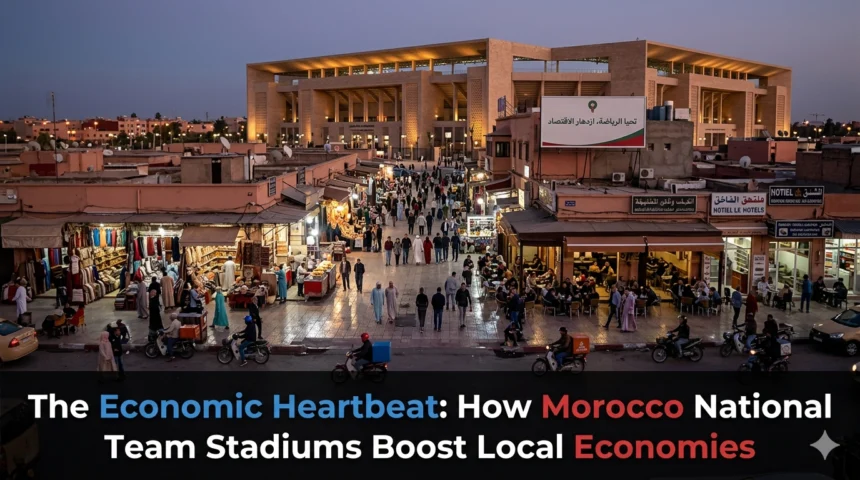
Morocco hosts numerous major international matches and tournaments, attracting substantial domestic and international visitor numbers. This influx raises demand for accommodation, transportation, and dining establishments, energizing the tourism and hospitality sectors. Hotels, guesthouses, restaurants, cafes, and taxi services all experience increased demand. During major events, bookings and spending in cities like Casablanca, Rabat, and Marrakech—which house major stadiums—surge noticeably. The temporary population growth fills hotel rooms, visits local attractions, and diversifies spending patterns, strengthening the local economy. The tourism appeal is further amplified by enhanced hospitality and fan zones at Morocco’s national team stadiums.

Economic Benefits from Indirect and Induced Effects
Beyond immediate transactions, Morocco’s national team stadiums generate broader economic benefits through indirect and induced effects, creating a virtuous cycle of growth.
Advertisement of Local Businesses and Services
Stadium events bring increased foot traffic and demand that spills into surrounding businesses. Fans seeking pre-match meals, post-match celebrations, and souvenirs benefit local retailers, supermarkets, and entertainment venues. This heightened activity stimulates local entrepreneurship and investment, fostering the creation of new businesses or expansion of existing ones. For example, the area surrounding Mohammed V Stadium: Casablanca’s Legendary Roar for Morocco typically bustles with restaurants and cafes that flourish on match days.
Urban Regeneration and Infrastructure Development
Building and maintaining world-class stadiums requires substantial investment in surrounding infrastructure. This drives improvements to roads, public transport networks, utilities, and public spaces that benefit both the stadium and the broader community. Stadium projects often catalyze urban regeneration, transforming underdeveloped areas into vibrant commercial and recreational hubs. The development surrounding Prince Moulay Abdellah Stadium: Rabat’s Fortress for the Atlas Lions exemplifies how stadium projects can drive comprehensive urban renewal.

Enhanced Tax Revenue for Local and National Governments
Stadium-generated economic activity increases tax revenue from multiple sources: sales taxes on tickets, merchandise, food, and beverages; income taxes from newly created jobs; and corporate taxes from profitable enterprises. Governments can redirect these funds into public services such as education and healthcare, as well as infrastructure projects benefiting the entire community. This fiscal contribution underscores the full economic impact of Moroccan football stadiums.
Case Examples: Stadiums as Economic Anchors for Areas
Each of Morocco’s stadiums plays a distinct role in its region, serving as a significant economic anchor.
Mohammed V Stadium, Casablanca: The City Powerhouse
Mohammed V Stadium in Casablanca stands as one of Morocco’s most iconic and historically significant venues, exemplifying urban economic power. Located in the heart of Morocco’s largest city with a substantial local following and excellent public transport connections, it hosts regular national and club matches that ensure continuous economic activity. This strengthens neighboring districts and establishes Casablanca as the primary sports and entertainment hub. The city’s economic narrative intertwines with the stadium’s rich history as the Morocco National Team’s home ground.
Prince Moulay Abdellah Stadium, Rabat: The Capital’s Engine
In the capital city, Prince Moulay Abdellah Stadium functions as a major economic engine for Rabat. As a national venue frequently hosting important international fixtures, it draws spectators from across the country and beyond. State-of-the-art amenities and a prime location enable the stadium to attract major events, stimulating local economies through tourism, hospitality, and retail. Its presence reinforces Rabat’s image as a modern capital capable of hosting world-class sporting events.
Stade de Marrakech: Sports and Tourism Integration
Stade de Marrakech benefits significantly from Marrakech’s global reputation as a tourism destination. This positioning uniquely allows the stadium to maximize economic impact by leveraging the city’s existing tourism infrastructure. Football enthusiasts and cultural visitors often extend their stays to attend matches or combine sightseeing with sporting events. When sports and tourism converge, the economic benefits to hotels, tour operators, and local artisans multiply, demonstrating how sports venues enhance a city’s economic attractiveness.
Future Prospects: World Cup Ambitions and New Infrastructure
Morocco’s ambitious football infrastructure plans, particularly following its successful bid to co-host the 2030 FIFA World Cup, promise substantial economic gains ahead.

Morocco’s World Cup Bid: Future Stadium Plans
Morocco’s successful joint bid with Spain and Portugal for the 2030 World Cup represents a historic milestone. Achieving this goal requires major upgrades to existing stadiums and construction of new, state-of-the-art venues. Morocco’s World Cup Bid: Future Stadiums and Upgrades will inject millions of dollars into Morocco’s economy through job creation in construction, engineering, and related industries during planning and execution phases. Long-term economic gains will prove substantial as the country prepares to welcome millions of tourists, boosting tourism, infrastructure development, and international trade.
Grand Stade de Casablanca: A Glimpse Into the Future
Among the most ambitious projects is the proposed Grand Stade de Casablanca. This future facility will serve as a multi-purpose venue for hosting major international events including World Cup matches. Construction represents a significant economic undertaking, requiring substantial workforces and boosting local industries. Once operational, it will function as a permanent economic engine, attracting global events and tourists while establishing Morocco’s prominence on the international sports stage. Such a facility will substantially enhance the economic impact of Morocco’s football stadiums.
Economic Engines: Beyond Football Matches
Morocco’s national team stadiums contribute economically far beyond football competition. Many venues function as multi-purpose facilities, diversifying revenue streams and economic benefits.
Concerts, Festivals, and Cultural Events
Modern stadiums accommodate diverse events—from large concerts and cultural festivals to major corporate gatherings. These events attract different audiences and generate additional revenue from ticket sales, hospitality, and related services. As entertainment venues for both locals and tourists, they enhance cultural vibrancy and community life. This versatility ensures stadiums remain active and economically productive year-round, even during off-seasons.
Conferences, Expos, and Corporate Events
Modern stadiums’ large capacities, state-of-the-art facilities, and central locations make them increasingly suitable for conferences, trade exhibitions, and corporate events. These gatherings attract business travelers and delegates, increasing demand for hotels, catering, and local services. They also provide networking and business development platforms that stimulate economic growth beyond the event itself.
Training Facilities and Community Use
Some stadium complexes include training facilities available for hire by local clubs, youth academies, or visiting international teams, creating additional income streams while developing local football talent. Stadium spaces can also host community sports programs, fitness classes, and public events, integrating venues more deeply into local community fabric and delivering broader public benefits.
Challenges and Opportunities for Economic Impact
While economic benefits are evident, maximizing the impact of Morocco’s football stadiums requires strategic development and sustained investment.
Sustainable Operations and Environmental Responsibility
Long-term economic viability depends on sustainable operations, including efficient energy use, waste management, and responsible resource consumption. Green stadiums reduce operating costs, contribute to global sustainability goals, and enhance Morocco’s international image.
Ongoing Investment and Modernization
Stadiums require continuous investment in modernization and upgrades to remain competitive and attract major events. This includes technological improvements, enhanced fan facilities, and upgraded security measures. Such investments maintain world-class standards and sustain economic benefits through the iconic stadiums where the Moroccan National Team makes history. Ongoing maintenance and enhancement efforts keep venues economically relevant while supporting local supply chains.
Local Supply Chain Development
Stadiums can prioritize sourcing goods and services from local companies, maximizing local economic benefits. This includes food suppliers, cleaning services, security firms, and merchandise manufacturers. By cultivating local supply chains, stadiums retain more revenue within communities, building more robust and resilient economic ecosystems.
Conclusion
Morocco’s national team stadiums function as far more than sports facilities—they are powerful economic drivers. The impact on local economies proves deep and multifaceted, spanning direct job creation and tourism growth to indirect stimulation of local businesses and major infrastructure development. As Morocco prepares to host significant international tournaments, including the 2030 FIFA World Cup, these architectural landmarks will increasingly drive national prosperity, securing their place as vital components of the nation’s economic heartbeat.
Frequently Asked Questions
What is the key economic impact of Morocco’s national team stadiums?
Primary economic impacts derive from direct spending on match days, including ticket sales, merchandise, food, and beverages. Stadiums also create numerous jobs, promote tourism, and support local businesses in hospitality and retail sectors.
What jobs do Morocco’s stadiums create?
Stadiums generate employment both directly and indirectly. Direct positions include operations, maintenance, security, and catering roles. Indirect employment spans construction, transportation, accommodation, and numerous local businesses that benefit from increased visitor traffic.
Do Morocco’s stadiums attract international tourism?
Yes, particularly for major international matches and tournaments. The influx of international fans has substantially increased demand for hotels, restaurants, and tourism-related services, providing significant local economic boosts.
What is the future economic potential of new Moroccan stadiums like the Grand Stade de Casablanca?
Upcoming stadiums, particularly those built for the 2030 World Cup, promise substantial economic potential through major construction projects, thousands of jobs, global events, and significant boosts to international tourism and investment. These developments will establish Morocco as a premier sports and events destination.
What impact do stadiums have on surrounding businesses beyond match days?
Many stadiums function as multi-purpose venues hosting concerts, festivals, conferences, and corporate events throughout the year. These activities attract diverse audiences, sustaining economic activity for local shops, restaurants, hotels, and service providers, keeping the local economy vibrant year-round.