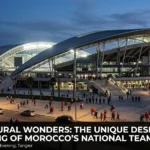

Stadiums and Their Role in Developing Young Football Talent in Morocco
Morocco’s recent footballing success, highlighted by the Atlas Lions’ historic 2022 FIFA World Cup campaign, has drawn attention to the country’s substantial investment in its football ecosystem. Yet stadium infrastructure—often overlooked—remains critical to youth development and central to this achievement. These venues transcend their role as professional match arenas. They function as crucibles where the next generation of talent emerges, serving simultaneously as training facilities, competitive spaces, and sources of inspiration for young footballers throughout the kingdom.
The path from grassroots player to international star demands consistent access to quality facilities. Morocco’s stadiums, spanning from grand national arenas to modest municipal grounds, form the backbone of this development pathway. They provide the physical settings for training, coaching, and competition, directly shaping the quality and scope of youth programmes. This article examines how stadiums cultivate Moroccan football’s next generation, a topic intimately connected to stadiums serving as the national team’s home grounds.
The Foundation: Beyond Basic Playing Fields
Stadiums represent the structural foundation of any successful footballing nation. In Moroccan youth development, they extend far beyond simple playing surfaces, embodying comprehensive infrastructure for growth at every level.
Training Facilities and Academies
Many of Morocco’s principal stadiums connect to modern training facilities and football academies or sit adjacent to them. The Mohammed VI Football Academy near Salé exemplifies this approach. Though not a stadium itself, it provides access to high-quality pitches and analytical tools comparable to professional venues. Young players benefit from pristine fields, cutting-edge gymnasiums, and sports science laboratories—all essential to their physical and technical progression.
This model extends to the local level, where clubs centre development around their smaller stadiums and training grounds. Structured programmes ensure young talents receive consistent coaching from an early age. The quality of these facilities directly influences the fundamental skills and tactical knowledge imparted to emerging Moroccan footballers.

Competitive Experience Through Tournaments and Youth Leagues
Youth competitions throughout Morocco primarily take place in stadiums, creating essential competitive platforms. These events provide young players with vital match experience under pressure, allowing them to refine skills in genuine game situations. Ranging from regional championships to national youth cups, such tournaments expose participants to diverse playing styles and tactical approaches while fostering adaptability and resilience.
High-quality stadiums enhance the playing experience and create a sense of occasion for young athletes. Competing on proper pitches with appropriate facilities substantially elevates morale and ambition, lending professionalism and inspiration to their development journey.
Talent Identification Hubs
Stadiums serve as regular venues for youth matches and tournaments, functioning as crucial nodes for talent discovery. Scouts from professional clubs, national teams, and international organisations frequently attend these competitions, searching for emerging stars. Organised events at established venues provide essential visibility, enabling the identification of promising youngsters and their integration into advanced development programmes.

Without these centralised hubs, talent identification would become fragmented and inefficient. Stadiums thus act as showcase platforms, allowing young players to demonstrate their abilities to those capable of advancing their careers.
Modern Infrastructure for Contemporary Development
Morocco’s stadium modernisation, partly driven by ambitious World Cup hosting proposals, carries significant implications for youth programmes. These upgrades extend beyond senior international matches, trickling down to substantially benefit youth development initiatives.
Upgraded Facilities: Creating Ripple Effects
New and renovated stadiums feature state-of-the-art amenities supporting enhanced training and competition environments. These include premium natural or hybrid pitches, sophisticated drainage systems, contemporary changing facilities, and dedicated medical centres. While primarily serving professionals, youth teams frequently access these superior facilities, particularly during training or preliminary matches. Venues such as Prince Moulay Abdellah Stadium: Rabat’s Fortress for the Atlas Lions and the forthcoming Grand Stade de Casablanca: A Glimpse into Morocco’s Future Football Colossus incorporate youth development initiatives into their core design.
Superior facilities reduce injury risk, ensure consistent training conditions regardless of weather, and foster a professional atmosphere that cultivates discipline and ambition. Such investments demonstrate a commitment to elevating Moroccan football comprehensively, beginning at grassroots level.
Safety and Accessibility
Contemporary stadiums prioritise safety and accessibility for youth development programmes. Young athletes and their families experience secure, welcoming environments with well-maintained access routes and dedicated facilities. This assurance encourages greater participation from children and parents alike, broadening the talent pool.
Furthermore, accessible stadiums enable youth teams from diverse regions to travel and compete, fostering a more inclusive national development strategy. This infrastructure focus signals Morocco’s long-term commitment to football development across all age groups.
More Read

Technology Integration for Enhanced Learning
Modern venues incorporate advanced systems including sophisticated lighting, high-definition displays, and integrated media infrastructure. Beyond fan engagement and broadcasting, these facilities support youth development. Equipped with performance analysis tools, video replay systems, and data-tracking equipment, coaches can deliver detailed feedback to young players, accelerating their learning. Exposure to such advanced technological environments prepares youth for modern professional football, where data analysis and sports science play increasingly vital roles—a progressive approach essential for competitiveness.
Psychological Impact: Inspiring Future Generations
Beyond tangible training and competitive advantages, stadiums exert profound psychological influence on young footballers’ motivation. They represent dream venues where heroes emerge and legacies develop, wielding significant inspirational power.
Iconic Venues for Aspiring Players
Stepping onto hallowed grounds like Mohammed V Stadium, Casablanca’s Legendary Roar for Morocco or Prince Moulay Abdellah Stadium, even for youth matches or training, creates unforgettable experiences deeply motivating young Moroccan footballers. These grounds witnessed their national heroes achieving glory. The atmosphere, arena scale, and success legacy cultivate powerful ambition to compete at elite levels.
This aspirational dimension transforms abstract dreams into concrete objectives—a visible roadmap young players can envision themselves following. Playing in such prestigious venues reinforces their connection to broader football culture.
Proximity to Role Models
Stadiums facilitate meetings between young players and established professionals. Youth teams training on adjacent pitches to senior national team facilities or attending professional matches as spectators gain invaluable lessons in commitment, talent, and teamwork. Watching the Atlas Lions perform at home, as discussed in The Iconic Stadiums: Where the Morocco National Team Forges History, teaches crucial lessons. Brief interactions with professionals profoundly influence young athletes, demonstrating that dedication yields results—moments that sustain motivation throughout their development journey.
Community Engagement and Nurturing Football Passion
Stadiums function as community gathering spaces celebrating football’s unifying power. Local clubs frequently utilise stadiums for community events, open days, and youth clinics, introducing the sport from early childhood. This expands the potential player pool while maintaining football’s cultural prominence.
Family-friendly, engaging venues introduce children to football early, generating larger talent pools. The pride connected to community stadiums fosters loyalty and passion, encouraging young players to pursue their sport with dedication for clubs and regions.
Case Studies: Moroccan Stadiums and Their Development Impact
Specific venues throughout Morocco demonstrate diverse ways these facilities advance youth development.
Casablanca: Mohammed V Stadium—A Development Legacy
The Mohammed V Stadium serves not only as a historic venue for the national team and major clubs like Raja and Wydad, but also supports local youth football development. While primarily hosting professional matches, its training grounds and surrounding Casablanca football ecosystem provide abundant opportunities for young players. This iconic stadium’s mere existence motivates thousands of local children to pursue football, dreaming of eventually gracing its celebrated pitch.
Raja and Wydad maintain exceptional youth academies producing elite players who progress to national team selection. The city’s rich footballing heritage, centred on the stadium, has cultivated these strong academies—constant sources of emerging talent. The stadium functions as a talent magnet, channelling young players into structured development pathways.
Prince Moulay Abdellah Stadium, Rabat: The National Centre
Prince Moulay Abdellah Stadium: Rabat’s Fortress for the Atlas Lions regularly hosts national youth team matches and major youth tournaments. Its central location and contemporary facilities establish it as an ideal platform for showcasing talent from across the country. Proximity to national sports institutions and training centres strengthens its role in player development.
Regular exposure to a national stadium environment prepares young players for international football demands, providing early experience of competitive levels they might eventually reach.
Stade de Marrakech: Modern Facilities and Promise
The Stade de Marrakech: The Red City’s Modern Arena for the Atlas Lions demonstrates Morocco’s commitment to contemporary football infrastructure. Though perhaps lacking the historical youth development legacy of Mohammed V, its modern amenities position it as an ideal host for future youth camps, international tournaments, and regional development programmes. Its presence enhances facility availability for young players in the Marrakech region.
These modern stadiums’ design and features accommodate diverse football activities, including specialised training sessions and developmental workshops for players and coaches.
Grand Stade de Casablanca: Future Stadium Vision
Aspirations to host major international tournaments like the FIFA World Cup have inspired ambitious infrastructure plans, including the Grand Stade de Casablanca: A Glimpse into Morocco’s Future Football Colossus. As noted in Morocco’s World Cup Bid: Future Stadiums and Upgrades, these future complexes will incorporate world-class youth development facilities. They will feature multiple training pitches, sports science centres, and accommodation for young athletes, offering unprecedented opportunities.
These proposed facilities testify to strategic long-term investment in nurturing grassroots talent, positioning Morocco to remain an African and global football powerhouse given the scale and quality of planned infrastructure.
Federation Support and Government Initiatives
Morocco’s success reflects concerted efforts from the Moroccan Royal Football Federation (FRMF) and government backing, with stadium infrastructure at the centre.
FRMF’s Youth Development Strategy
The FRMF maintains a clear long-term youth development strategy involving substantial infrastructure investment. The vision centres on developing world-class players in world-class environments. The federation actively promotes training centre and academy creation and upgrades, typically linked to or located near stadiums, ensuring uniform development standards nationwide.
The FRMF’s youth football commitment appears evident through structured league systems, coaching education programmes, and talent identification networks—all requiring appropriate stadium and training facility access. This comprehensive approach ensures talent identification leads to careful nurturing.
Sports Infrastructure Investment
The Moroccan government has consistently invested heavily in sports infrastructure, recognising benefits extending beyond elite sport to broader socio-economic gains. This encompasses funding for stadium construction and renovation, sports complexes, and local pitches. Public investment ensures even smaller communities access decent facilities, extending reach beyond major urban centres.
These investments constitute a national strategy promoting sports participation, improving public health, and creating opportunities for emerging talent—demonstrating government understanding of infrastructure’s foundational role.
Resource Optimisation Through Strategic Partnerships
Effective youth development often requires strong collaboration between the FRMF, local municipalities, professional clubs, and private organisations. Optimised stadium asset utilisation depends on such partnerships. Professional clubs might permit local youth teams to use training grounds during off-peak hours, or municipalities could subsidise local stadium maintenance for youth league use.
These partnerships maximise existing infrastructure utilisation, providing more young players quality pitch and training environment access, distributing Morocco’s stadium network benefits more equitably.
Challenges and Future Perspectives in Morocco’s Youth Football Development
Morocco has achieved remarkable progress, yet challenges persist in ensuring equitable quality facility access and maintaining developmental momentum.
Facility Maintenance and Strategic Expansion
Continuous investment in ongoing maintenance and periodic upgrades of existing stadiums and training facilities remains essential. Wear and tear, technological advances, and evolving safety standards demand constant attention. Quality maintenance, particularly for youth-used facilities, proves critical to sustained development.
Additionally, growing populations and expanding football popularity will necessitate new facilities. Strategic expansion planning for pitch and training centre networks will prove vital.
Rural Access and Regional Equity
While major cities benefit from excellent stadiums and academies, rural and remote areas lack comparable infrastructure access. Bridging this gap remains essential to Morocco’s full talent potential realisation. Smaller, well-equipped community pitches and mobile training programmes could help address this disparity.
This equity component represents a truly holistic approach, guaranteeing that talented children, regardless of background, access development opportunities.
Long-Term Vision and Sustainable Development
Morocco’s football development model sustainability, particularly regarding stadium infrastructure, requires careful strategic planning. This encompasses both financial sustainability for maintenance and upgrades and environmental sustainability in construction and operation. Green stadium design and sustainable practices ensure future generations benefit from these assets.
A coherent long-term vision integrating infrastructure development with coaching education, talent pathways, and community engagement will prove essential to cementing Morocco’s standing as a leading footballing nation for decades ahead.
Conclusion
Stadiums clearly assume central, multifaceted roles. These venues function as the silent architects of Morocco’s footballing future, serving as essential training grounds and competitive arenas while simultaneously acting as powerful inspiration sources and community hubs. The country’s strategic investment in stadium upgrading and expansion, combined with the FRMF’s visionary leadership and government support, has cultivated fertile conditions for nurturing young talent.
As Morocco builds on recent successes and prepares for major international events, sustained focus on constructing and maintaining world-class stadiums will remain integral to national strategy. These physical structures transcend bricks and mortar; they represent arenas where dreams flourish, skills develop, and the next generation of Atlas Lions emerges, securing Moroccan football’s promising future. Learn more about the national team’s various home grounds on our Stadiums and Home Grounds of the Morocco National Team resource page.
Morocco Youth Football Development and Stadiums—Frequently Asked Questions
Q1: What roles do stadiums serve in Morocco’s youth development beyond hosting matches?
A1: Stadiums provide dedicated training and academy spaces, host youth league and tournament competitions, and function as talent identification centres. They create professional-level environments essential for skill development, competitive experience, and player exposure to scouts and national team selectors.
Q2: How do stadiums psychologically influence young Moroccan footballers?
A2: Visiting or competing at iconic venues like Mohammed V or Prince Moulay Abdellah profoundly inspires young players. These dream stadiums motivate them to emulate their national heroes, foster deep belonging and passion for football, and drive commitment to excellence through hard work and dedication.
Q3: How significant are modern stadium upgrades for youth development in Morocco?
A3: Modern stadiums with enhanced facilities—quality pitches, advanced medical amenities, integrated technology—substantially improve youth training and competitive environments. These improvements increase safety, enhance accessibility, and provide analytical tools that accelerate learning, preparing young players comprehensively for professional football.
Q4: What contributions do government initiatives and the FRMF make to youth development through stadium infrastructure?
A4: The FRMF pursues a strategic youth development vision incorporating substantial infrastructure investment. Government funding supports stadium construction and renovation alongside sports complexes. Through partnerships with clubs and municipalities, these efforts ensure uniform facility standards nationwide, expanding access and opportunities.
Q5: What future stadium plans will further support Moroccan youth football development?
A5: Morocco’s World Cup hosting aspirations have inspired ambitious plans for state-of-the-art stadiums including the proposed Grand Stade de Casablanca. These facilities will feature world-class youth development amenities, multiple training pitches, sports science centres, and accommodation for young players, creating unprecedented development opportunities.