
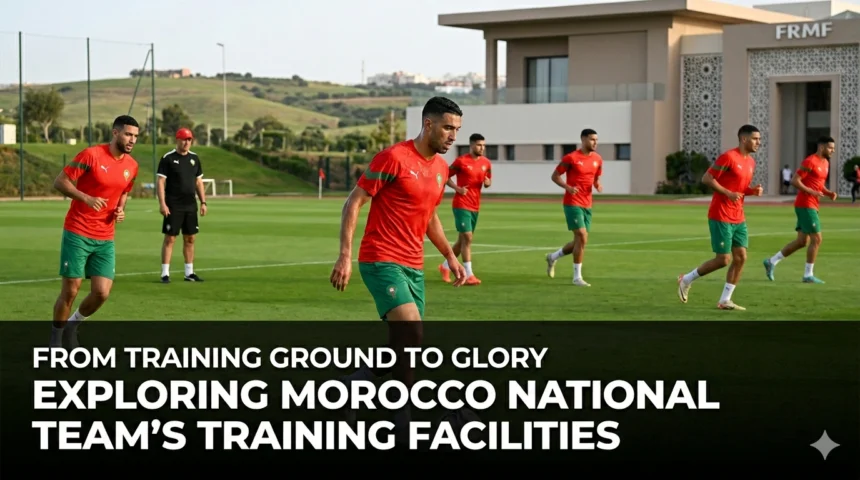
Training Grounds to Glory: A Look into the Facilities of the Morocco National Team
The road to national hero for a promising talent often starts away from the roaring crowds and bright lights of a stadium. It begins on the immaculately manicured surfaces of training grounds, where sweat, dedication, and systematic progression set the stage for success. Quality training infrastructure has been instrumental in Morocco’s rise in world football in recent years. Here is a deep dive into the world-class stadiums and home grounds of the Morocco national team, with a focus on the incredible training facilities that have helped the Atlas Lions become a formidable force.
To understand the team’s achievements, it is important to know the training context. These are not just fields and changing rooms; they are complex ecosystems where every element is designed to maximise a player’s physical, mental, and tactical preparedness. Morocco’s investment in its training infrastructure, from youth development to senior team preparation, shows a profound commitment to footballing excellence and sets a high bar for national teams everywhere.
Mohammed VI Football Academy: The Crown Jewel
At the heart of Morocco’s footballing renaissance is the Mohammed VI Football Academy (Académie de Football Mohammed VI). Inaugurated in 2019 by His Majesty King Mohammed VI, this institution is more than a training ground; it is a centre for talent development and the primary venue for national team preparation. Located near Salé on the outskirts of Rabat, this significant investment represents Morocco’s commitment to producing top players capable of competing internationally.
The academy’s vision was to offer Moroccan youth an environment comparable to the best European academies, ensuring that the next generation of Atlas Lions would possess the skills and mentality to excel on the world stage. This modern complex serves as the permanent home for all national teams, from youth categories to the senior squad, providing a cohesive pathway for development.
First-Class Pitches and Training Facilities
The academy features an impressive range of playing surfaces to meet varied training requirements. Its eight full-size football pitches include hybrid, natural grass, and artificial turf options, providing adaptability to different match conditions and player preferences during sessions.

All pitches are equipped with modern irrigation and drainage systems, maintaining optimal condition year-round regardless of weather. The complex includes goalkeeper-specific areas, tactical drill zones, and individual skill work stations, ensuring comprehensive training programs for every position.
Medical and Rehabilitation Centres
Player welfare is paramount at the academy. The medical facilities are staffed by sports doctors, physiotherapists, and specialists, featuring hydrotherapy pools, cryotherapy chambers, and high-tech diagnostic equipment. These resources are critical for injury prevention, accelerated recovery, and long-term player health. Science-based rehab protocols enable players to return to peak performance safely and efficiently.
Sports Science and Performance Analysis
Modern football is driven by data and grounded in science. The academy boasts state-of-the-art performance analysis equipment, including high-definition cameras, GPS tracking, and advanced analysis software. These technologies allow coaches and analysts to review individual and team performance in minute detail, identify improvement areas, and refine tactical strategies.

Sports scientists collaborate with coaching staff to monitor player load, optimise nutrition, and develop personalised training programs. This scientific approach ensures training is both rigorous and efficient, maximising potential while minimising burnout risk.
Housing and Education for Young Talents
The academy extends beyond the pitch, offering modern accommodation blocks that foster a supportive community environment for young residents. Educational infrastructure, including classrooms, libraries, and study rooms, complements the football facilities. This dual focus on athletic and academic excellence ensures young players develop as both skilled footballers and educated individuals, prepared for life both on and off the field.
Gyms and Strength Conditioning
Physical capability is a cornerstone of contemporary football. The academy’s state-of-the-art gymnasiums are equipped with the latest strength and conditioning equipment, covering training needs from explosive power development to endurance and core stability building. Experienced fitness coaches design individualised programs using the latest methodologies to enhance physical attributes, reduce injury risk, and maximise on-pitch performance, with emphasis on functional strength and movement patterns relevant to football.
Administrative and Media Centres
Beyond training facilities, the academy features state-of-the-art administrative offices, conference rooms, and a dedicated media centre. These spaces support professional management and public relations at the national level, with the media centre providing venues for press conferences, interviews, and content creation to communicate effectively with fans and stakeholders.
Sustainability and Future Vision
The Mohammed VI Football Academy has integrated sustainable practices into both design and operation. Energy efficiency, water conservation, and green spaces reflect a commitment to environmental responsibility. This forward-thinking approach ensures the academy’s longevity and positive impact on the surrounding community. The academy’s vision continues to evolve through technological upgrades and expansion, maintaining its position at the cutting edge of global football development.
Other Key Training Centres Outside the Academy
While the Mohammed VI Football Academy serves as the primary training base, the Atlas Lions also utilise other facilities, particularly when preparing for matches at specific venues or hosting international tournaments. This flexibility allows for convenient preparation while taking advantage of additional resources. These supplementary facilities are typically located at or near major stadiums.
More Read

Training Centres in Major Stadiums
Morocco’s major football stadiums, such as the Prince Moulay Abdellah Stadium in Rabat, the Mohammed V Stadium in Casablanca, and the Stade de Marrakech, often feature dedicated training pitches and auxiliary facilities. These prove particularly useful for light training sessions or warm-ups closer to match days, reducing travel and allowing players to acclimate to specific pitch conditions. Such facilities typically include well-maintained natural grass pitches, changing rooms, and basic gym equipment. While less comprehensive than the Mohammed VI Academy, they serve important functions for pre-match preparation and are often used as secondary camps for visiting or youth teams.
Practice Fields (Historical)
Before the Mohammed VI Football Academy’s creation, the national team trained at multiple sites across the country, often at facilities run by local clubs or municipal sports complexes. While these older sites lack the same technological upgrades, they played a significant role in the history of Morocco’s national team’s home grounds and development. The transition from dispersed, less specialised training grounds to a centralised, elite academy testifies to Morocco’s progress in football infrastructure and its strategic shift toward professionalisation and comprehensive player development.
Overseas Temporary Training Camps
The Moroccan national team occasionally organises temporary training camps abroad for international competitions or specific tactical preparations. These camps are selected based on climate, proximity to tournament venues, and availability of suitable pitches and accommodation. This approach allows the team to adapt to different environments and refine strategies without disruption. While not permanent facilities, they remain an important part of the preparation cycle, ensuring players maintain peak condition regardless of location.
World-Class Facilities as a Performance Driver
The impact of elite training facilities on performance cannot be overstated. Investment in Morocco’s training infrastructure, particularly the Mohammed VI Football Academy, has significantly influenced the Atlas Lions’ performance, most notably during their historic run at the 2022 FIFA World Cup. These facilities provide a consistent, high-quality environment that encourages continuous improvement, injury prevention, and tactical sophistication—key factors in Morocco’s ability to compete with and defeat footballing giants.
Cultivating Local Talent
A primary advantage is the capacity to identify, develop, and retain homegrown talent. The academy offers a clear pathway for young Moroccan players, with quality coaching, education, and early exposure to excellence. This systematic approach ensures a steady stream of talented players ready to represent the national team. Many World Cup participants developed through this academy system, reflecting its effectiveness. This domestic focus reduces reliance on overseas-developed players while strengthening national football identity.
Attracting International Coaches and Staff
Elite facilities attract elite talent—not just athletes, but also coaches, sports scientists, and medical professionals. The Mohammed VI Football Academy has become a beacon of excellence, drawing experts who bring international best practices and innovative approaches to Moroccan football. This influx of knowledge elevates coaching and player development standards across all national teams, positioning Morocco at the forefront of global football trends.
Player Longevity and Injury Prevention
State-of-the-art medical and rehabilitation facilities are essential for reducing injuries and extending player careers. The academy provides immediate expert care and customised recovery programs to help athletes manage the physical demands of the modern game, resulting in fewer key players sidelined and more consistent team performances. Proactive, science-based injury-prevention strategies ensure the squad remains fit and ready for international competition.
Strategic and Tactical Preparedness
Advanced analysis tools and diverse training pitches enable coaches to execute complex tactical strategies with precision. Teams can practice varied match situations, analyse opponent weaknesses, and adjust game plans in controlled environments. Moroccan national team gains significant competitive advantage through such detailed preparation. Year-round training on high-quality surfaces, regardless of weather, ensures tactical development progresses uninterrupted.
The Future of Football Development in Morocco
Morocco’s creation and continuous improvement of training facilities reflect a broader ambitious vision for the kingdom’s football development. This vision extends beyond immediate national team success to establish Morocco as a leading footballing nation on the African and global stage. The country’s continued investment in infrastructure, talent development, and organisational excellence demonstrates a comprehensive approach to sport’s growth.
Strategic Direction of FRMF
The Royal Moroccan Football Federation (FRMF) has championed a holistic approach built on three pillars: infrastructure development, talent identification and development, and professionalised management. The Mohammed VI Football Academy represents the infrastructure pillar’s crowning achievement, complemented by initiatives to upgrade local club facilities and youth academies nationwide. This long-term planning provides a sustainable model for football growth and a strong foundation for future generations of players and coaches.
Investments in Future Infrastructure
Morocco’s ambitions extend beyond current facilities. The country continuously pursues additional investments in football infrastructure, including new stadium construction and upgrades to existing venues. This forward-thinking approach proves vital for hosting major international tournaments and providing world-class domestic league venues. These investments ensure competitiveness of Morocco’s football ecosystem and its capacity to sustain the highest sporting standards.
Connection to Morocco’s World Cup Bid and Stadium Future Plans
Training facilities and stadium standards significantly influence Morocco’s bids to host major international tournaments, including the FIFA World Cup. Strong infrastructure—such as the Mohammed VI Academy and the upcoming Grand Stade de Casablanca—demonstrates Morocco’s capability and passion for hosting. The Morocco World Cup Bid: Future Stadium Plans and Upgrades Revealed underscores the commitment to building world-class stadiums and training facilities that enhance experiences for both the national team and the global football community, reflecting Morocco’s ambition to become a leading football hub.
Final Thoughts
The Morocco national team’s journey from training ground to glory exemplifies vision, strategic investment, and relentless commitment. The training facilities, particularly the world-class Mohammed VI Football Academy, represent a paradigm shift in how football talent is nurtured in the region. These world-class resources have provided the Atlas Lions an ideal setting to refine their skills and tactical understanding while establishing a solid foundation for continued success. As Morocco ascends the international stage, its commitment to excellent training infrastructure will undoubtedly remain central to its ongoing pursuit of glory.
Common Questions
What are the main training facilities of the Moroccan national team?
The Mohammed VI Football Academy, located just outside Salé near Rabat, is the primary and most sophisticated training ground for the Moroccan national team. It serves as the comprehensive centre for all national teams from youth to senior levels.
When was the Mohammed VI Football Academy created?
The Mohammed VI Football Academy was officially inaugurated in 2019 by His Majesty King Mohammed VI, marking a significant milestone in Morocco’s football development strategy.
Why is the Mohammed VI Football Academy considered world-class?
The academy achieves world-class status through its extensive facilities: eight elite pitches featuring hybrid, natural, and artificial surfaces; advanced medical and rehabilitation centres; cutting-edge performance analysis technology; modern accommodation; educational infrastructure; and state-of-the-art gymnasiums.
Where do the Atlas Lions train besides the Mohammed VI Academy?
While the Mohammed VI Academy remains the primary base, the national team uses training facilities at major stadiums, including the Prince Moulay Abdellah Stadium and Mohammed V Stadium, particularly before matches. The team also establishes temporary training camps abroad for international competitions.
How have these training facilities impacted the Morocco national team’s performance?
The world-class facilities have substantially enhanced performance through homegrown talent development, attraction of elite coaches and staff, improved injury prevention and player longevity, and sophisticated strategic preparation. These combined factors contributed significantly to the team’s recent successes, including their historic 2022 FIFA World Cup campaign.