Stade Adrar in Agadir: Morocco’s Coastal Jewel for International Football
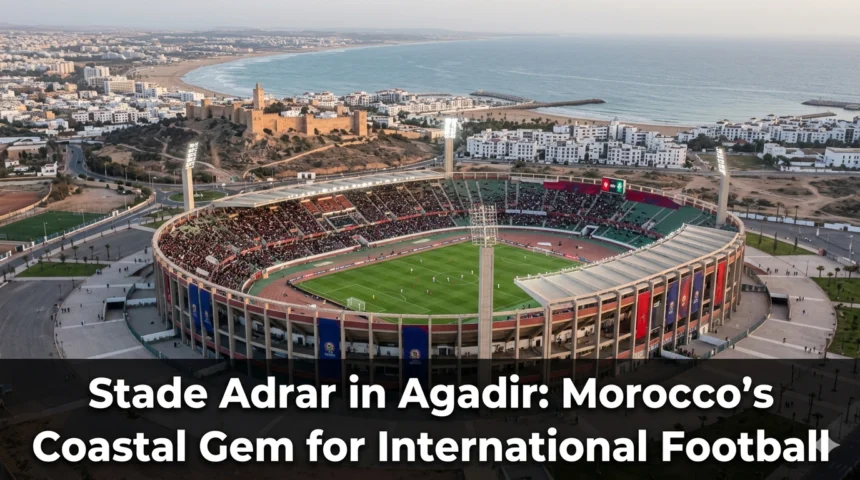
Situated on the stunning Atlantic coast, Stade Adrar Agadir stands as a testament to Morocco’s aspirations and modern football infrastructure on the global stage. Located in the vibrant city of Agadir, this facility has quickly become a primary venue for football in the country and internationally, hosting matches for the renowned Moroccan national team, the Atlas Lions. With its strategic location, state-of-the-art facilities, and spectacular backdrop, Stade Adrar represents a significant addition to the nation’s sporting landscape.
Since its inception, the stadium has been more than a football pitch; it is a beacon of pride for the region and a cornerstone in Morocco’s efforts to host major international events. It has hosted World Cup qualifiers, prestigious club competitions, and moments of sporting drama and national celebration. This article explores the history, features, and enduring significance of Stade Adrar Agadir and why it is considered a true coastal gem for Moroccan football.
A Modern Marvel on Morocco’s Atlantic Coast
The vision for Stade Adrar Agadir was ambitious: a world-class football venue that would reflect Morocco’s growing influence in African and global football. Its construction represented a substantial investment in the country’s sporting infrastructure, designed to provide a top-tier venue capable of hosting major events and delivering an exceptional experience for players and spectators alike.
Design and Architectural Vision
Stade Adrar Agadir’s design is both functional and aesthetically pleasing, drawing inspiration from the local environment while applying contemporary architectural principles. The stadium’s sturdy, durable structure is built to withstand the coastal climate and provide excellent sightlines from every seat. Its distinctive roof structure and external facade create a modern appearance and establish it as a striking landmark in Agadir.
The architecture harmonizes modernity with subtle references to Moroccan heritage. Materials and layout were carefully selected to achieve both visual impact and practical efficiency. The stadium features sweeping curves and an open design that invites spectators into a grand sporting arena.

Construction and Opening
Construction of Stade Adrar Agadir began in 2004, a lengthy undertaking requiring substantial investment. The stadium was officially inaugurated on October 11, 2013, with an opening match between local club Hassania Agadir and Algerian side JS Kabylie. This inaugural event marked a new era for football in the Agadir region, providing a modern home for the local team and a stage for national and international competitions.
The opening was a momentous occasion, signaling Morocco’s commitment to developing its sporting infrastructure. The venue soon joined other important facilities such as Prince Moulay Abdellah Stadium in Rabat and Mohammed V Stadium in Casablanca, reinforcing Morocco’s reputation as a nation passionate about football.
Stadium Capacity and Facilities
Stade Adrar Agadir ranks among the largest stadiums in Morocco, with extensive facilities built to the high standards set by international football governing bodies such as FIFA and CAF.

Seating and the Spectator Experience
With a capacity of approximately 45,480 spectators, Stade Adrar Agadir is one of the country’s largest venues. The seating arrangements prioritize comfort and clear views of the pitch from all areas. The stadium offers diverse seating options, including VIP boxes, corporate suites, and general admission areas to accommodate various fan preferences.
Modern amenities enhance the spectator experience, including numerous concession stands, clean restrooms, and clear signage. The facility has been designed with accessibility for people with disabilities in mind, ensuring all fans can enjoy matchday events. The vibrant atmosphere created by passionate Moroccan supporters is frequently cited as a highlight, making each game a memorable occasion.
Playing Surface
The pitch is a natural-grass surface maintained to international standards. In professional football, playing surface quality is paramount, requiring careful attention to irrigation, drainage, and turf management. This ensures a consistently high-quality field that allows players to perform at their best regardless of weather conditions.
Player and Official Facilities
Stade Adrar Agadir provides first-class amenities separate from the pitch and spectator areas, including modern changing rooms, medical facilities, doping control rooms, and dedicated warm-up spaces. The stadium features well-equipped press conference rooms and media zones for local and international journalists. Adjacent training pitches further enhance capabilities, offering ideal conditions for teams to prepare for matches.
The Atlas Lions’ Fortress: Key Matches and Highlights
Stade Adrar Agadir has become the Moroccan National Team’s preferred venue, hosting numerous crucial matches across various competitions. With its welcoming atmosphere and excellent facilities, it serves as an ideal home ground for the Atlas Lions.
International Friendlies and Qualifiers
Since inauguration, the stadium has regularly hosted international friendlies and qualifying matches for major tournaments including the FIFA World Cup and Africa Cup of Nations. Key victories and intense contests have unfolded here, with the Agadir crowd’s roar providing significant home advantage for the Moroccan side. These are more than games; they are national events that unite communities.
More Read

For those interested in attending these exciting fixtures, fans can find information on how to get Morocco National Team match tickets to experience the charged atmosphere at venues like Stade Adrar Agadir.
Major Tournament Hosting
The stadium has served as a major venue for international tournaments, including the 2013 FIFA Club World Cup, where it hosted some of the world’s elite club sides. This experience demonstrated the venue’s capacity to manage high-profile matches and established its standing on the global football stage. Such events contribute to the history of Morocco National Team home grounds.
The stadium’s role in these tournaments underscores its importance in Morocco’s broader football strategy, particularly regarding future World Cup aspirations. Venues like Stade Adrar Agadir are pivotal in demonstrating Morocco’s readiness to host major international events, as discussed in Morocco’s World Cup Bid: Unveiling Future Stadium Plans and Upgrades.
Memorable National Team Performances
The Atlas Lions have delivered memorable displays at Stade Adrar Agadir, from hard-earned qualifying victories to impressive friendly performances. The team frequently draws inspiration from the passionate support of Agadir fans. These matches are integral to The Iconic Stadiums: Where the Morocco National Team Forges History.
The stadium has been the stage for numerous Morocco football stars to demonstrate their talent and commitment to the national cause. Whether important qualifiers or friendly celebrations, the atmosphere created by the crowd at Stade Adrar Agadir is unforgettable.
A Centre for Local Football and Community
Beyond its role for the national team, Stade Adrar Agadir plays a vital part in the local football scene and community life in Agadir.
Hassania Agadir, the Local Club
Hassania Union Sport Agadir (HUSA) is one of Morocco’s top football clubs, calling Stade Adrar Agadir its home ground. HUSA competes in Botola Pro, the country’s top football division, and enjoys strong local support. The stadium provides the club with a sophisticated, professional venue for its matches, facilitating growth and competitive performance.
With a major club like HUSA based at the facility, there is consistent football action during the domestic season, supporting local talent development and maintaining year-round fan engagement.
Community Engagement and Development
Beyond professional football, Stade Adrar Agadir serves as a hub for community engagement, hosting local sports events, youth tournaments, and cultural gatherings that contribute to Agadir’s social fabric. The stadium embodies civic pride and provides residents with opportunities to participate in sports and community activities.
The presence of such a high-quality facility inspires younger generations to engage in sports and adopt healthy lifestyles. It represents an investment in football and the overall development and well-being of the region.
Access and Transportation to Stade Adrar Agadir
For match attendees, understanding access and transportation options is essential for a smooth matchday experience. The stadium’s location makes it relatively accessible to visitors from local and international communities.
Location and How to Reach It
Stade Adrar Agadir is situated on the northern outskirts of Agadir, in an ideal position accessible from various parts of the city and surrounding areas. This location facilitates fair traffic flow on match days, though planning ahead remains advisable. Well-connected to major road networks, the stadium is convenient for those traveling by car or bus.
Public Transport Facilities
On match days, special bus services typically operate to and from Stade Adrar Agadir for fans, connecting the stadium to central Agadir and providing convenient, environmentally friendly transport for many attendees. Taxis are widely available throughout Agadir for direct routes to the stadium.
Parking Availability
For those driving, extensive parking areas surround the stadium, designed to accommodate high volumes of vehicles and ensure convenient options for car arrivals. Arriving early on match days is recommended to secure parking and avoid potential traffic delays.
To enhance your matchday experience with information on amenities and services, review “Enhancing Your Visit: Hospitality and Fan Zones at Morocco National Team Stadiums.”
Looking Ahead: Morocco’s Football Aspirations
Stade Adrar Agadir is not merely a current venue but a vital component of Morocco’s long-term football strategy, particularly regarding its ambitions to host major international tournaments.
Infrastructure for Morocco’s World Cup Bid
Stade Adrar Agadir plays a key role in Morocco’s bid to host the FIFA World Cup. With modern infrastructure, substantial capacity, and a proven track record hosting international events, it stands as a strong candidate venue. Its inclusion in any future World Cup bid demonstrates its strategic importance and readiness to meet international standards.
Morocco’s World Cup hosting prospects are often discussed in relation to its existing top-tier stadiums and planned facilities, such as the Grand Stade de Casablanca, representing a comprehensive approach to infrastructure development.
Continuous Maintenance and Modernization
Regular maintenance and periodic renovations keep Stade Adrar Agadir at peak performance as a world-class football venue. This commitment ensures the stadium continues meeting international safety and performance standards while providing consistently high-quality experiences for players and fans. Ongoing investment in technology, security, and fan amenities reflects dedication to maintaining the facility as a premier modern sports destination.
This commitment guarantees Stade Adrar Agadir will remain a valuable asset for Moroccan football for years to come, joining the country’s sporting heritage alongside other distinguished venues such as Stade de Marrakech.
Conclusion
Stade Adrar Agadir is a symbol of modern Moroccan football, a coastal gem that seamlessly blends contemporary design with passionate football culture. With impressive architectural features and state-of-the-art facilities, it serves as a primary venue for the Moroccan national team and local club Hassania Agadir, embodying the nation’s ambition and love for the beautiful game.
As Morocco continues establishing its presence on the global football stage, Stade Adrar Agadir will undoubtedly remain a vital infrastructure component, providing a platform for thrilling matches, nurturing community spirit, and inspiring future generations of footballers and fans. More than a stadium, it stands as a symbol of pride, progress, and the enduring power of football along Morocco’s beautiful Atlantic coast.
Frequently Asked Questions
Q1: When was Stade Adrar Agadir inaugurated?
A1: The stadium was officially opened on October 11, 2013, with a match between Hassania Agadir and JS Kabylie.
Q2: What is the capacity of Stade Adrar Agadir?
A2: The stadium has a capacity of approximately 45,480, making it one of the largest in Morocco.
Q3: Which football club plays its home matches at Stade Adrar Agadir?
A3: Hassania Union Sport Agadir (HUSA), a top club in Morocco’s Botola Pro league, calls the stadium its home.
Q4: Has Stade Adrar Agadir hosted major international tournaments?
A4: Yes, the stadium served as a venue for the 2013 FIFA Club World Cup, hosting several matches during the competition.
Q5: Does the Morocco National Team play at Stade Adrar Agadir?
A5: Yes, the stadium is frequently used by the Morocco National Team for international friendlies, Africa Cup of Nations qualifiers, and FIFA World Cup qualifiers, making it an important facility for the Atlas Lions.